


 Polski
  English (UK)
  Русский
  العربية
  日本語
日本語  한국어
한국어  Magyar
  Türkçe
  Español
  Čeština
  Svenska
  Português
  Ελληνικά
  Suomi
Suomi  Nederlands
  Română
  Italiano
  Français
  Українська
  Deutsch
  简体中文
简体中文  Slovenčina
  The Future of Rail Freight in Europe – Trends, Regulation, and Sustainable Growth">

Wdrożenie teraz strategii zelektryfikowanego korytarza towarowego na poziomie sieci w celu zwiększenia niezawodności, skrócenia czasów dostawy i redukcji emisji przez kolej. Dostosuj inwestycje TEN-T do budżetów krajowych i kapitału prywatnego w celu modernizacji punktów przesiadkowych i węzłów intermodalnych. Kieruj się na linked segmenty korytarzy łączące główne porty z obszarami produkcji wewnątrz kraju, umożliwiającymi bezproblemowy przepływ towarów.
Regulacje sprzyjają dekarbonizacji i przesunięciu modalnemu, ale niepewności pozostają w procedurach transgranicznych i planowaniu zdolności. Jasne kierunek ma na celu uproszczenie koordynacji rozkładów jazdy, ustandaryzowanie zasad wymiany i zdigitalizować dokumenty przewozowe w celu skrócenia czasu postoju na granicach.
W UE, w przybliżeniu szacowany w danych statystycznych widać, że transport kolejowy stanowi niewielki udział w ruchu wewnętrznym, często poniżej 20% w wielu krajach. Wzrost będzie zależał od dostawa wiarygodność i równoważność kosztów z drogami, przy czym inwestycje koncentrują się na głównych korytarzach łączących porty do regionów produkcyjnych. Trend kontynuuje jako operatorzy prywatni i porty show gotowość do przyjmowania składów pociągów jednostkowych i dłuższych bloków, które zmniejszają ilość załadunku i rozładunku.
Aby zmodernizować, skup się na modernize systemy kolejowe z pojazdami o niskim współczynniku tarcia, cyfrowe sygnalizacja i energooszczędna trakcja. Koordynowane zamówienia mogą obniżyć najniższe krańcowe koszty poprzez łączenie popytu między stanami, umożliwiając dostawa czystszych ładunków bez opóźnień. Zalety dla przewoźników obejmują przewidywalne harmonogramy, zmniejszone ryzyko zatorów oraz dostęp do scentralizowanych usług, które zaakomodować just‑in‑time production i ruch towarów z porty.
Europa skorzysta na bardziej efektywnych węzłach, gdzie zbiegają się połączenia kolejowe, drogowe i morskie. Linked sieci i ustandaryzowana wymiana mogą zwiększyć przepustowość przy porty, skróć dostawy na tereny oddalone i stwórz odporną sieć, która kontynuuje aby absorbować wstrząsy popytowe. Interesariusze powinni priorytetyzować kilka szlaków o dużej przepustowości i najniższy powierzchni tarcia, aby utrzymać konkurencyjne koszty w porównaniu z transportem drogowym, który pozostaje a ruch ryzyko w szczytach sezonu.
Politycy stają przed niepewności from investment cycles, energy prices, and evolving weather impacts. A pragmatic approach combines public support with private financing to accelerate electrification, track renewables, and show mierzalny postęp w redukcji emisji i udziale modalnym. Strategia powinna być directed at redukcji niepotrzebnych przystanków, minimalizacji czasu magazynowania ładunków oraz otwierania nowych porty gdzie logistyka typu rail‑first tworzy wyraźne zalety.
Wytyczne implementacyjne: mapa korytarza ruch patterns, inwestować w interoperacyjną sygnalizację i rozwijać tabor, który może funkcjonować przy wielu napięciach, aby zaakomodować ruch transgraniczny. Skupiając się na dostawa Dzięki niezawodności i możliwościom dostosowywania się do potrzeb rynku, europejski system kolejowego transportu towarowego może utrzymać impet, aby spełnić cele zrównoważonego rozwoju bez poświęcania jakości usług.
Rail Freight in Europe: Practical Outlook
Launch a dedicated capacity program at Zeebrugge and along the highest RFC corridors to deliver weekly timetables and predictable cross-border slots. This approach reduces uncertainty for high-frequency freight by about 15–20% and cuts dwell times at border points.
What to prioritize this year: shift more freight among cross-border routes to rail in response to urbanization-driven demand, while delivering high-quality service and consistent transit times.
Eastern corridor upgrades: coordinate investments across national networks to lift west-to-east and east-to-west capacity; focus on smoother crossing windows and shared maintenance plans to keep trains moving.
Zeebrugge gateway: Zeebrugge remains a key hub for container freight to central Europe, with approximately 3–5% annual container throughput growth and a growing rail load from the eastern and northern routes.
Ecological benefits: rail freight cuts emissions versus road transport; at hubs with strong intermodal links, the ecological footprint falls and cities see better air quality.
Policy and operations: the EU launched a program in 2024 to standardize pre-clearance, interoperability, and data sharing across borders; implement a single-window approach to reduce border delays and improve national coordination.
Capacity and planning: maintain adaptable yard and terminal capacity in key nodes; factor in urbanization pressures and demand cycles; plan for year-round operations and seasonal surges.
Cross-border Corridor Planning and Core Network Expansion
Adopt a Europe-wide corridor portfolio managed by a permanent governance body, with a 2026 milestone and a funding framework that blends euros from the EU budget, national investments, and private capital. This approach will contribute to reliable schedules and stimulate cross-border transport flows.
In the particular context of freight corridors, align main german and italiane nodes with neighbors to connect production hubs with ports and inland terminals. Use a standard for interoperability across loading units, signaling, and safety to simplify cross-border moves.
- Create a corridor map with clearly defined links, responsibilities, and milestones for each segment.
- Harmonize cargo preferences and unit loading to support packages and products flows, prioritizing high-volume routes for coal, gases, and other energy-related cargo where appropriate.
- Invite operators like wascosa to supply standard wagons and integrated solutions that improve reliability and rail capacity on bottleneck links.
- Develop a connected data platform that links timetable information, asset tracking, and terminal operations across borders, a factor that enables faster decision-making.
- Establish funding rules that combine euros from EU funds and national budgets, complemented by private investments and public-private partnerships, to accelerate core network expansion and to play a central role in corridor delivery.
- Target critical bottlenecks at border crossings, terminals, and rail corridors with upgrades such as double-tracking, electrification, and improved signaling to raise throughput.
- Set performance metrics focused on schedule reliability, container and pallet handling times, and emissions reductions from shifting freight off road.
- Engage customs, operators, and shippers to collect ongoing feedback on product mix, packaging requirements, and service preferences to refine the corridor design.
Addition to these steps, address the factor of border clearance time and build buffer capacity where needed, so the core network remains connected during peak periods or disruption scenarios, including covid-19 rebounds.
The outcome supports a prime option for European transport needs, with targeted investments and credible partnerships among german, italiane, and other national players, while demonstrating impact through reduced energy use and lower greenhouse gas emissions.
Digitalization, Open Data, and Improved Scheduling
Recommendation: Implement a unified Open Data platform that standardizes rail-freight schedules and live statuses across European corridors, with data feeds opened to operators, shippers, and terminals within six months. This move reduces disruptions by enabling proactive planning, improves visibility for the team, and cuts the time managers spend on reconciling sources across chains of operations. In year one, disruptions were most costly on long-haul corridors, proving that a shared data backbone is sufficient to unlock smoother flows.
Adopt a common data model and open APIs that connect sources from regional terminals, network operators, and commercial partners. Start with high-impact corridors and destinations, ensure sufficient metadata and quality controls so data remains reliable at the regional level. In the italiane context, align with EU and national specifications to facilitate cross-border moves. The context supports transparency and traceability across suppliers and customers.
Link the data platform to an optimization engine that generates and re-optimizes schedules in near real time. This approach yields uniform departure windows and reduces idle times at key nodes, improving reliability at destinations and across chains. In disruptions or crisis moments, the system suggests safe alternative routings and informs the involved team to act quickly, following clearly defined aims and performance metrics.
Implementation plan focuses on regional pilots first, then a broader rollout. The sources include operators, terminals, and shippers; the products delivered range from timetable feeds to predictive alerts and KPI dashboards. Managers should provide support across the organization and maintain a uniform level of data quality. When opened to a wider audience, the platform enables commercial teams to track market demand and respond with matched services.
To measure success, track year-over-year reductions in disruptions, decreases in pollution, and improved on-time performance by route and by level (regional vs national). Set a timeline with milestones: six months for core platform, nine to twelve months for cross-border integrations, and year-long reviews of implementation. The coordination team should document lessons learned with sources, ensure ongoing follow-up with stakeholders, and follow a monthly review cycle.
Regulatory Reform: Market Access, Charging, and Unbundling
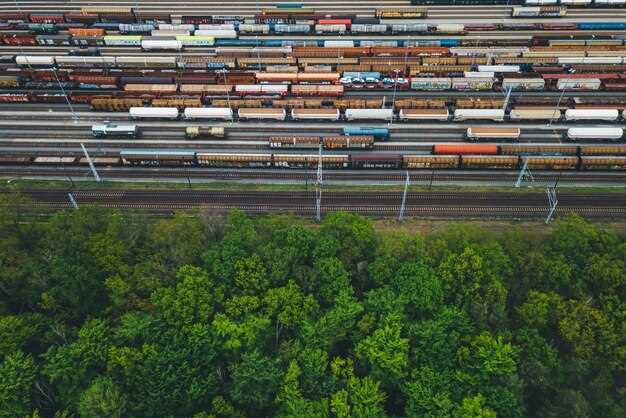
Adopt a unified EU-wide framework for market access with transparent, non-discriminatory track-usage charges and a rapid dispute process, all within 12 months. This policy should define objective service criteria, standardize applications, and ensure independent monitoring of performance.
Three action streams guide implementation:
- Market access and positioning: Create open access rights for providers that operate on interoperable corridors. Use a single electronic portal for licensing, safety certificates, etcs qualification, and performance data to reduce bottlenecks. Ensure positioning data is shared in real time to support reliable scheduling and minimize relative delays. This strengthens the role of rail in the main supply chains and keeps active operators competitive.
- Charging reforms: Move toward cost-reflective, time-variant charging with transparent tariff methods published across corridors. Tie charges to capacity usage, environmental benefits, and maintenance needs to keep the system well maintained. Use revenue to fund upgraded infrastructure and foster stable service levels. The driver here is to capitalize on modal shift and improve reliability across decades.
- Unbundling and governance: Promote functional unbundling and consider independent system operators where appropriate, with clear separation between infrastructure and train operations. Regulators should enforce non-discrimination and ensure policy coherence across cross-border flows. The triple objective remains: access fairness, pricing transparency, and service reliability. Providers compete on quality, not on inherited access rights.
To close gaps, regulators should map bottlenecks by corridor, align etcs deployment with upgrades, and share electronic data standards across providers. This remains priority as policy adapts to evolving rolling stock and signaling technologies, while the overall framework ensures reach to european markets and sustainable growth in shipping and inland freight. This framework also supports african corridors that capitalize on rail’s environmental benefits, linking ports to inland shippers and creating more resilient supply chains. The main benefit is a simpler, faster market-entry path for active operators and new entrants.
Financing GreenRail Projects: Grants, Loans, and PPPs
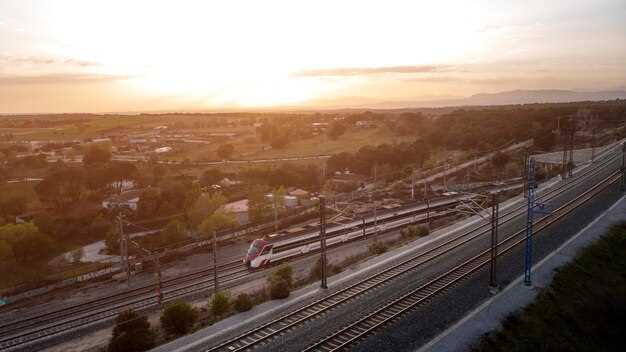
Adopt a blended funding plan that combines grants, low-interest loans, and PPPs to move GreenRail projects from plan to service at a larger scale. This approach showed how mixed funding can accelerate deployment and resulted in faster service for cargo, with immediate benefits for shippers and communities.
Developments in EU grants programs and national climate funds create a wider pool of capital to cover early design, de-risking, and pilot builds. A major upgrade in funding structures lets authorities pool small projects into larger pipelines, keeping a friendly financing climate for municipalities and rail operators alike.
Use modular financing packages divided by stage–planning, procurement, construction, and commissioning–to tailor terms, spread risk, and significantly align with budgets and timelines.
Clarify roles of public authorities, lenders, and private consortia to manage risk, share data, and align incentives with railroads’ ambitions. Transparent governance reduces affect on schedules and helps track progress across compartments.
Grants support case-level feasibility studies, environmental upgrades, and invention of new maintenance regimes that extend asset life and reduce lifecycle costs.
Loans cover core capex and locomotive procurement, with lower rates and longer tenors to reduce per-tonne costs and improve cash flow for operators.
PPPs enable risk sharing, provide predictable cash flows, and attract wide private participation, including a fifth-wave of partnerships and a second wave of collaborations.
Each instrument should offer performance milestones and flexible repayment options to affect project pacing without freezing capital for other rail needs.
Case studies across European corridors show that well-structured financing reduces cost per tonne-km and expands serving capacity, creating remarkable momentum for railroads and the ambitions of freight operators.
To maximize impact, authorities should publish standardized templates, share learnings, and maintain a larger, more cooperative market for rail freight finance that supports continued invention and global competitiveness.
Key Performance Indicators for Sustainable Growth in Freight Rail
Implement a standardized KPI framework nationwide with public dashboards and performance-linked funding.
Historycznie, wyniki działania kolei towarowych opierały się na wąskim zestawie wskaźników. Podejście oparte na projektowaniu, z katalogiem wskaźników, wyostrza ambicje i poprawia przejrzystość. Ten framework wspiera zrównoważony wzrost poprzez powiązanie decyzji operacyjnych z ambicjami redukcji emisji paliw kopalnych i zwiększenia udziału w transporcie.
Obecna sytuacja i niepewności dotyczące popytu, cen energii oraz zmian regulacyjnych wymagają elastycznego zestawu celów, które będą mogły się dostosowywać do wahań, jednocześnie utrzymując w zasięgu wzroku cele długoterminowe.
Aby identyfikować możliwości usprawnień w obszarze sieci komunikacyjnych, monitorować przepływy i podróże, oraz śledzić wzrost przesiadek multimodalnych, wykorzystaj połączony zestaw wskaźników procesowych i efektów, które odzwierciedlają zarówno efektywność, jak i jakość usług.
Wokół krajowych sieci sektor frachtowy znacznie się rozwinął wraz z ekspansją ruchu transgranicznego i konsolidacją miejską, pozostaje jednak narażony na szoków cen energii i starzejącą się infrastrukturę. Publiczne raportowanie i jasna rozliczalność pomagają interesariuszom skoordynować plany kapitałowe, operacyjne i konserwacyjne.
Wdrożenie opiera się na cyfrowym gromadzeniu danych, systemach interoperacyjnych i danych otwartych, gdzie to możliwe. Umożliwia to terminowe diagnozy, porównania między operatorami oraz podejmowanie decyzji w oparciu o dowody i wprowadzanie zmian w planach i zachętach.
Otwarcie nowych narzędzi finansowych i wsparcie regulacyjne przyspieszy przyszłą trajektorię frachtu kolejowego, zwłaszcza tam, gdzie inwestycje są skierowane na dekarbonizację i poprawę niezawodności, co wpływa na podróże i przepływy w całej sieci.
Kluczowe mierniki napędowe powinny uwzględniać zużycie energii, wpływ na środowisko i jakość usług, przy czym cele powinny być osadzone w krajowych i regionalnych ambicjach redukcji emisji i poprawy konkurencyjności.
Typowy projekt KPI obejmuje zrównoważoną mieszankę wskaźników prowadzących i opóźniających, ze szczególnym naciskiem na poprawę w czasie oraz wyraźne powiązanie z decyzjami operacyjnymi, cyklami konserwacji oraz wyborami dotyczącymi konstrukcji i wymiany taboru.
| KPI | Definicja | Target (example) | Źródło danych | Uwagi |
|---|---|---|---|---|
| On-time delivery | Udział pociągów przybywających w zaplanowanym oknie czasowym | ≥ 92% rocznie | Systemy operacyjne kolei, dane dotyczące sterowania pociągami | Odzwierciedla niezawodność i jakość planowania |
| Przepływy towarowe (t-km) | Przesunięta objętość na trasie lub korytarzu, ważona dystansem | 5–8% roczny wzrost, jeśli to możliwe | Rekordy transakcji, dzienniki flot. | Pomiar dynamiki aktywności gospodarczej |
| Intensywność energetyczna (MJ/t-km) | Zużycie energii na tonę-kilometr przewiezionego towaru | -15% do 2030 w porównaniu z wartością bazową | Zużycie paliwa, liczniki energii trakcyjnej | Wskazuje ulepszenia efektywności i wybory projektowe |
| Emisja CO2 na tonę-km | Emisje podzielone przez tony-kilometry przetransportowane | -25% do 2030 w porównaniu z wartością bazową | Dane dotyczące emisji, oceny cyklu życia | Kluczowy wskaźnik środowiskowy zależności od paliw kopalnych |
| Udział intermodalny w transporcie towarowym | Część przepływów przesunięta przy użyciu transportu kolejowo-intermodalnego w porównaniu z innymi rodzajami transportu | ≥ 40% ładunków do 2030 roku | Dane pochodzenia-przeznaczenia, raporty podziału środków transportu | Wspiera przesunięcie popytu i zyski z efektywności. |
| Pusty współczynnik biegu | Procent pustych powrotów w stosunku do wszystkich podróży | < 12% | Dzienniki operacyjne, telematyka | Zmniejsza zmarnowane moce i zużycie energii. |
| Lokomotywa produktywności | Tona-km na godzinę trakcyjną | ≥ 350–450 tony-km/godz. lokomotywy | Systemy zarządzania aktywami, telematyka | Prowadzi decyzje dotyczące projektowania i utrzymania |