


 Português
  English (UK)
  Русский
  العربية
  日本語
日本語  한국어
한국어  Magyar
  Türkçe
  Español
  Čeština
  Svenska
  Ελληνικά
  Suomi
Suomi  Nederlands
  Română
  Italiano
  Français
  Polski
  Українська
  Deutsch
  简体中文
简体中文  Slovenčina
 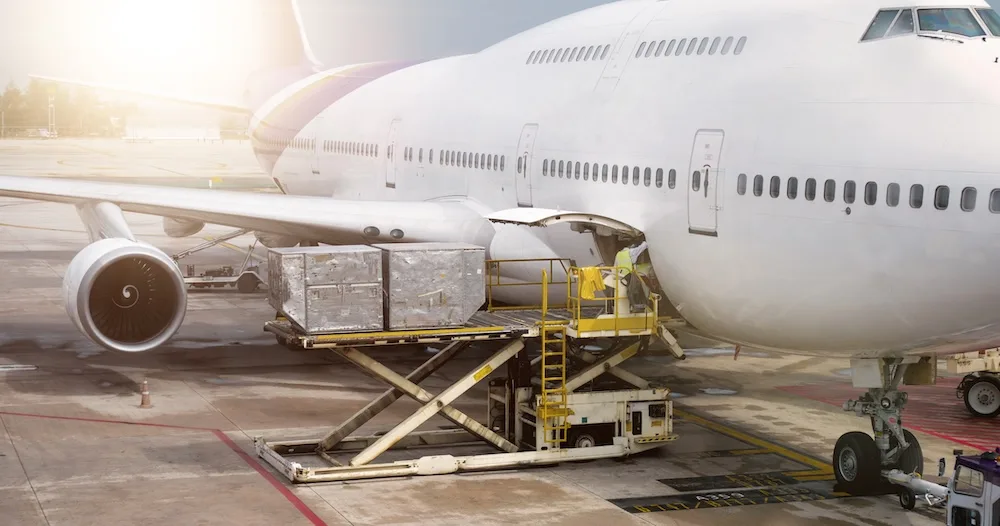 How the UPS MD-11 Crash Is Shaping Global Airfreight Rates and Capacity">

Airfreight Market Reacts to Growing Capacity Uncertainty
The recent surge in global airfreight rates is grabbing attention, sparked largely by an unexpected event shaking the cargo skies. The Baltic Air Freight Index (BAI00) climbed by 2% week on week, narrowing the annual drop to just -3.7%. These numbers paint a cautiously optimistic picture amid what could become a turbulent period for air cargo capacity worldwide.
The UPS MD-11 Crash and Its Ripple Effect on Cargo Capacity
A tragic crash involving a UPS MD-11 freighter in Louisville has triggered a significant industry response: an immediate grounding of all MD-11 cargo aircraft across several major operators, including UPS, FedEx, and Western Global. This precautionary step sends shockwaves through global air cargo logistics, primarily on dense Transpacific routes where these freighters play a vital role. The sudden pullback in available aircraft means capacity is tighter than ever, and the effects on rates and scheduling could snowball swiftly.
Regional Rate Variations Reflect Market Dynamics
Examining the rate movements region by region reveals a complex tapestry. China outbound routes to the US saw softening rates, while fees for shipments from China to Europe climbed. North Asian routes followed a similar pattern, posting gains toward Australia, India, and Mexico. Hong Kong’s freight lanes are particularly bullish, bouncing back almost to year-on-year levels with a notable 3.7% week-on-week increase for the BAI30 index.
| Região | Rota | Tendência da Taxa |
|---|---|---|
| China para os EUA | Outbound Airfreight | Downward |
| China to Europe | Outbound Airfreight | Upward |
| North Asia to Australia/India/Mexico | Outbound Airfreight | Upward |
| Hong Kong | Various major lanes | Strong Rise (~+3.7% WoW) |
| Europe to US | Transatlantic Routes | Upward |
| US to Europe | Outbound Airfreight | Mixed |
European and North American Trends
From the European continent, airfreight sees an uptick on Transatlantic lanes to the US, another hotspot for MD-11 operations, plus rising rates to destinations like Australia, India, Mexico, and South Africa. Yet, other channels such as Europe to China and Japan experienced rate pressure again. From London Heathrow, freight rates surged sharply by 15% week on week, nudging back into positive territory year-over-year after a notable dip. On the other side of the Atlantic, US-originating cargo rates show a split picture: gains emerging on routes to Europe and South America but marked declines on lanes to China and South Korea.
Capacity Crunch Meets Seasonal Peak Demands
Although typical peak season cycles generally see some uptick in rates, this year’s capacity squeeze caused by the MD-11 grounding adds an extra twist to the tale. Market participants are watching closely to see how capacity constraints might intensify freight costs, especially for time-sensitive shipments. It’s a classic case of “when it rains, it pours,” and logistics planners face the challenge of adjusting to these sudden shifts to avoid costly disruptions.
Implications for the Logistics World
For those in freight, haulage, and cargo forwarding, this evolving airfreight landscape is a heads-up. Tightened air cargo capacity tends to ripple through entire supply chains, increasing freight costs and potentially elongating delivery windows. The mix of rising charges out of Asia and Europe underlines the need for savvy logistics planning—balancing costs while meeting shipment deadlines can be a tricky balancing act. Platforms like GetTransport.com step into this gap by offering flexible and affordable solutions for global cargo movements, whether it’s office relocations, bulky goods shipment, or vehicle transportation.
- Global air cargo rates fluctuating post-UPS MD-11 grounding
- Mixed regional pricing with Asia-Europe rates climbing
- Heightened challenges for time-critical freight on Transpacific routes
- A need for innovative logistics solutions to tackle capacity disruptions
The Human Element: Experience Beats Data Alone
Numbers and market data paint a broad picture, but nothing beats first-hand experience when it comes to navigating these shifting currents. Even the sharpest reviews and most accurate indices can’t substitute for personal insight gained from putting cargo shipments into motion. With GetTransport.com, shippers can access a transparent and convenient platform to compare the latest freight options globally—all at competitive prices. This empowers smarter choices without the usual headaches or surprise costs. It’s the perfect example of how technology can ease the logistical juggling act.
Reserve a sua viagem em GetTransport.com to unlock access to reliable, affordable, and versatile cargo transportation worldwide.
Looking Ahead: What This Means for Global Logistical Trends
While this rate increase and capacity squeeze may seem like a blip in the global freight landscape, it’s an important reminder of just how sensitive shipping lanes are to unexpected events. Globally, this might not overturn existing logistics paradigms, but it does emphasize the need for flexibility and quick adaption in managing cargo flows. GetTransport.com recognizes these shifts and remains committed to helping businesses and individuals stay on track amid evolving challenges. Start planning your next delivery and secure your cargo with GetTransport.com.
Resumo e conclusão
Recent events, particularly the UPS MD-11 crash, have tightened global air cargo capacity, nudging airfreight rates upward in key regions. While prices dipped from China to the US, other trade lanes, especially those linking Asia to Europe and Europe to the US, saw notable increases. This dynamic environment underscores how fragile cargo networks can be when faced with sudden capacity reductions. The face of airfreight rates is shifting, challenging logistics providers to find efficient, timely, and cost-effective solutions to keep global supply chains moving smoothly.
Plataformas como GetTransport.com offer a versatile gateway for managing these logistics demands—whether moving office goods, heavy furniture, vehicles, or large parcels internationally. By leveraging this platform, shippers can tackle freight, shipment, and distribution challenges with confidence, cost control, and convenience, making it easier than ever to navigate the bumps on the road to seamless delivery.