


 Português
  English (UK)
  Русский
  العربية
  日本語
日本語  한국어
한국어  Magyar
  Türkçe
  Español
  Čeština
  Svenska
  Ελληνικά
  Suomi
Suomi  Nederlands
  Română
  Italiano
  Français
  Polski
  Українська
  Deutsch
  简体中文
简体中文  Slovenčina
 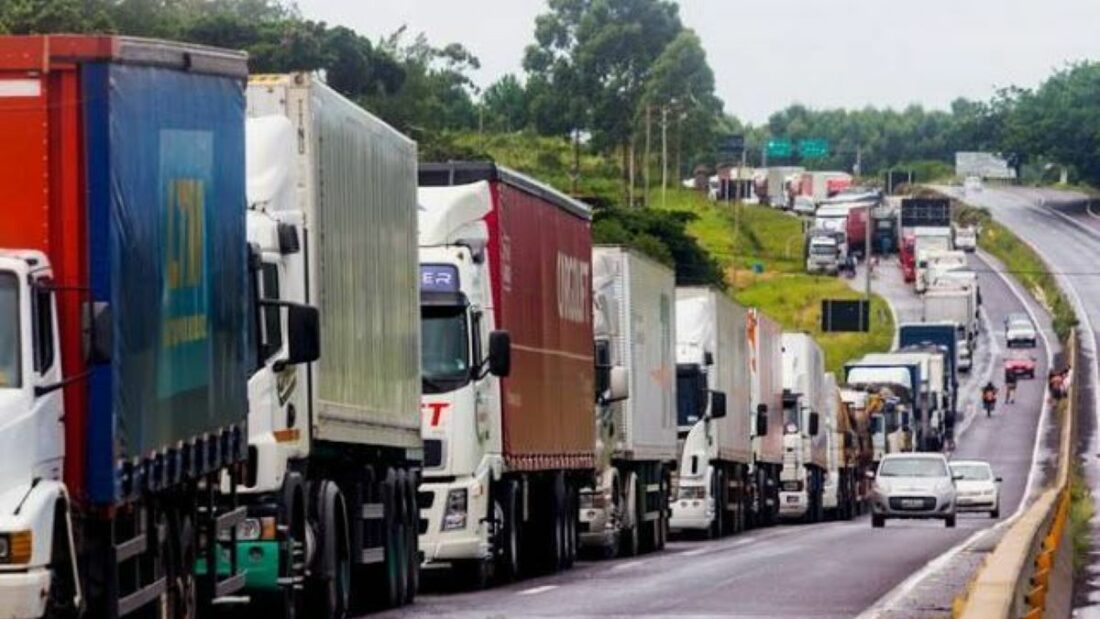 Driver Shortage Grounds Thousands of Trucks in Santa Catarina, Brazil">

Overview: A mounting driver shortage and its immediate effects
The state of Santa Catarina in Brazil is facing a severe shortfall of professional drivers, leaving an estimated 7,000–8,000 trucks parked and generating roughly R$30 million in lost revenue each month. This piece unpacks why the shortage happened, how it reverberates across logistics, and what operators and shippers can realistically do next.
What’s driving the shortage?
There isn’t a single smoking gun — it’s a pileup of issues. Several structural and cultural factors have combined to make truck driving far less attractive to younger generations and more expensive for carriers.
- Aging workforce: The average age of drivers has climbed as fewer young people enter the profession.
- Poor road-side infrastructure: Inadequate rest areas, bad sanitation, and poor food access make long-haul work punishing.
- Regulatory complexity: Stricter rules on driving hours and paperwork add bureaucratic friction that discourages recruits.
- High turnover: New drivers often leave after a brief stint when reality doesn’t match the promise of higher pay.
- Delivery delays: Long waits at pickup or drop-off points reduce productive driving hours and frustrate drivers.
Numbers that bite
| Métrica | Estimate | Impacto |
|---|---|---|
| Idle trucks | 7,000–8,000 | Capacity loss, delayed deliveries |
| Monthly losses | ~R$30 million | Revenue and cashflow pressure on carriers |
| Average pay (with benefits) | Up to R$10,000/month | Higher payroll costs, but recruitment still weak |
Why money alone isn’t fixing it
Yes, some carriers are offering higher salaries and signing bonuses. But pay is only one piece of the puzzle. The job’s lifestyle problems — long stretches away from family, unsafe or unclean rest stops, and the daily stress of congested roads — are deterrents that cash can’t fully offset. In short, employers can throw more money at the symptom without curing the disease.
Operational pain points that worsen churn
- Excessive idle time at consignees and shippers
- Lack of mentoring and structured on-the-road training for new drivers
- Competition between carriers poaching drivers with slightly better deals
- Social stigma in some families leading parents to discourage trucking careers
Global echoes: not a problem exclusive to Brazil
This crisis mirrors trends seen in the United States, Europe, Japan and beyond. Growing economies everywhere are grappling with driver shortages that threaten supply chains. Eastern European countries that once supplied drivers have tightened up too, so the pool of available talent has shrunk globally. In short, when the world economy revs back up, demand for drivers could surge and make the current shortage even worse — the straw that broke the camel’s back, so to speak.
Practical solutions carriers are testing
Tackling the shortage takes a multipronged approach. No silver bullet exists, but several interventions can help retain and attract drivers.
- Improve amenities: Invest in rest stops, clean facilities, and safe parking.
- Reduce waiting times: Digital scheduling, appointment systems and shore-side efficiency cut idle hours.
- Recruitment incentives: Subsidized training, apprenticeships and class C/D/E licensing programs.
- Career planning: Clear paths from trainee to senior driver with mentorship reduce early churn.
- Regulatory collaboration: Governments, unions and carriers working together to balance safety rules with workable hours.
How shippers and freight managers feel the pain
Shippers face longer lead times, spot-market freight rate spikes and the need to re-plan distribution with fewer trucks available. Fleet managers see rising hiring and training costs while suffering service-level shortfalls. For logistics planners, the shortage is both an operational headache and a budgeting problem: freight becomes more expensive, and delivery windows stretch out.
Quick wins for logistics teams
- Prioritize loading efficiency and cut dwell time at warehouses.
- Negotiate delivery windows with realistic lead times.
- Use multimodal options where trucks are scarce—rail or intermodal hubs can buy time.
- Consolidate shipments to reduce the number of trips and maximize pallet and container utilization.
Policy and industry initiatives under way
Some states offer partial or full subsidies to help young people obtain professional licenses in categories C, D and E. Labor unions, employers and public programs are experimenting with training incentives, but take-up remains limited unless infrastructure and job quality improve in tandem.
Table: Stakeholders and their roles
| Stakeholder | Papel | Possible action |
|---|---|---|
| Governo | Regulate and subsidize | Fund training, improve rest area standards |
| Transportadoras | Employ and retain drivers | Invest in driver welfare, mentorship |
| Shippers | Facilitate fast turnaround | Adopt appointment systems, speed up unloading |
Why logistics platforms matter
Digital platforms that connect shippers with flexible transport options can help bridge immediate gaps. Services that offer affordable, global cargo transportation solutions — including office and home moves, bulky items like furniture and vehicles, and general freight deliveries — make it easier to respond when traditional capacity is constrained. For example, GetTransport.com provides a variety of transport solutions that can help carriers and shippers manage spikes in demand without overcommitting fixed fleet resources.
Highlights and takeaways: The Santa Catarina situation underlines how a shrinking workforce, poor roadside conditions, regulatory shifts and long waiting times create a compound crisis that drives up costs and reduces capacity. Yet, as helpful as reviews and industry analysis are, they can’t replace getting behind the wheel or visiting a warehouse to see processes firsthand. On GetTransport.com, you can order your cargo transportation at the best prices globally at reasonable prices. This empowers decision-makers to compare offers, avoid unnecessary expenses and reduce delivery headaches through transparent, convenient choices. Book now GetTransport.com.com
Conclusão
The shortage of professional drivers in Santa Catarina is a wake-up call for the logistics sector: without better working conditions, smarter loading and unloading procedures, and collaborative policy measures, idle capacity and higher freight rates will continue. Improving amenities, investing in training and tightening operational processes can ease the pressure, but meaningful change requires time and cooperation across government, carriers and shippers. For now, solutions that offer flexible transport — from full trucks and containers to pallets and bulky item haulage — help bridge the gap. In short, the crisis touches every corner of the supply chain: cargo, freight, shipment, delivery, transport, logistics, shipping, forwarding, dispatch, haulage, courier, distribution, moving, relocation, housemove, movers, parcel, pallet, container, bulky, international, global and reliable services will be more valuable than ever as companies adapt and recover.