


 Português
  English (UK)
  Русский
  العربية
  日本語
日本語  한국어
한국어  Magyar
  Türkçe
  Español
  Čeština
  Svenska
  Ελληνικά
  Suomi
Suomi  Nederlands
  Română
  Italiano
  Français
  Polski
  Українська
  Deutsch
  简体中文
简体中文  Slovenčina
 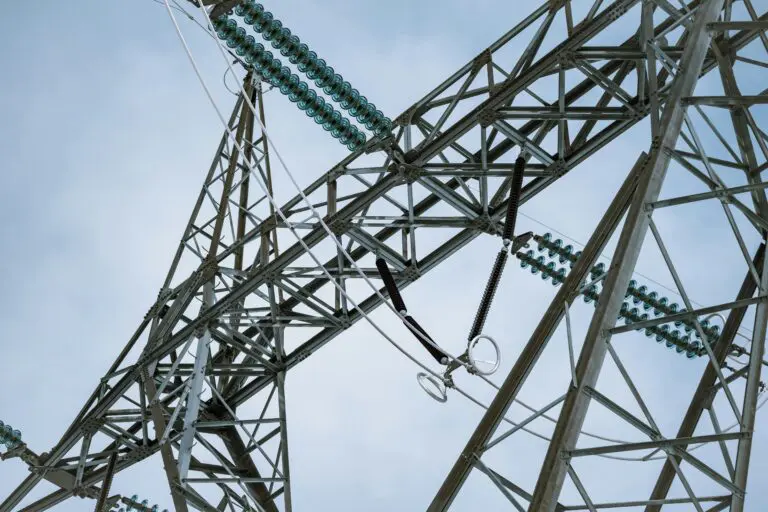 How Energy Constraints Are Reshaping Supply Chain Design and Logistics Decisions">

The focus here is on how energy has shifted from a background cost to a central operational variable in supply chains, and why logistics teams should care.
Why energy has moved to the center stage
Not long ago, energy costs were treated like a fixed line on a budget sheet—boring, predictable, and tucked away. Times have changed. Rising prices, intermittent grid supply, decarbonization mandates, and geopolitics now make energy a dynamic factor that shapes where and how goods move. In plain terms: energy is the new constraint, and for many networks it has become just as important as labor, capacity, or lead time.
What this means for logistics operations
When energy becomes volatile, decisions cascade across the network. Route planning, warehouse siting, inventory buffers, and even supplier selection start to hinge on where reliable, affordable power is available. Companies that ignore this shift risk seeing productivity slip and costs spike—sometimes in ways that are hard to reverse. Think of it as a domino effect: a local outage in a single hub can ripple into delivery delays and spot freight premiums that kill margins.
Energy’s direct touchpoints in the supply chain
| Area | Energy Impact | Operational Consequence | Mitigation Options |
|---|---|---|---|
| Produção | Fuel and electricity price volatility | Variable COGS, scheduling disruptions | On-site generation, demand-response contracts |
| Transporte | Fuels, electrification needs, charging infrastructure | Route limits, modal shifts, higher spot rates | Modal optimization, EV fleet planning, dynamic routing |
| Armazenagem | Heating/cooling, racking automation | Downtime risk, throttled throughput | Battery backup, microgrids, peak-shaving |
| Fulfillment & Last Mile | EV charging peaks, delivery schedule constraints | Longer delivery windows, increased local costs | Staggered deliveries, local cross-docking |
Visibility: the non-negotiable requirement
Energy is not something to be optimized in isolation. You need visibility into power usage across sites, vehicles, and partners to make trade-offs intelligently. That means instrumenting networks with sensors, integrating energy data into TMS/WMS, and simulating what-if scenarios that include energy as an explicit input. In short: if you can’t see it, you can’t manage it.
Key metrics to track
- kWh per unit produced — ties energy to productivity
- kWh per pallet moved — links warehousing and handling to power use
- Charging utilization rates — crucial for EV fleets
- Peak demand exposure — reveals vulnerability to demand charges
- Energy cost per mile — integrates fuel and electric costs into routing
Practical steps logistics leaders can take today
Here are concrete moves that won’t break the bank but will position networks for resilience.
- Incorporate energy data into network modeling: evaluate sites and routes not just by distance or labor, but by energy reliability and cost.
- Deploy distributed energy solutions where it makes economic sense: think solar, battery storage, or combined heat and power for critical hubs.
- Plan for flexible operations: time-shift energy-heavy activities to off-peak hours, and design inventory buffers where grid risk is high.
- Pursue supplier transparency: include energy sourcing clauses and risk disclosure in contracts.
- Invest in electrification thoughtfully: balance fleet coverage, charging infrastructure, and total cost of ownership.
Case in point: routing and warehousing under strain
Imagine a mid-sized distribution network that planned for cost savings by consolidating warehouses. One summer, a regional grid instability forced the hub to throttle operations for several hours a day. Routing algorithms then flooded remaining centers—spot freight skyrocketed and lead times ballooned. A messy lesson, but one companies can avoid. The solution wasn’t magic; it was a combination of diversified sites, on-site resilience measures, and energy-aware routing logic.
Technology vs. operational change
Technology helps, but it’s not a silver bullet. Advanced analytics, digital twins, and integrated planning tools give leaders the visibility and scenario planning they need, while operational changes—like staggered shifts, local stocking, or multi-modal options—deliver the practical resilience. Combining both is the key: tech to see and simulate, ops to act.
Implications for carriers and 3PLs
Carriers will need to adapt pricing models to reflect energy risk, and 3PLs must offer clients energy-aware options—backup-powered fulfillment, alternative delivery windows, or pooled intermodal solutions. For those in the freight and forwarding business, this is both a risk and an opportunity: differentiate by offering predictable service in an unpredictable energy landscape.
Lista de verificação para equipas de logística
- Audit energy exposure across facilities and routes
- Map critical nodes where downtime would cascade
- Test contingency plans with suppliers and carriers
- Run pilots for on-site generation and battery storage
- Embed energy KPIs into executive dashboards
Energy isn’t just another checkbox; it’s a strategic lever. As one industry friend put it, “you can cut corners on paper, but the lights don’t care.” That’s the catchphrase to remember—energy is the new currency of operational resilience. And, let’s be honest, sometimes the simplest mitigation—backup power at a critical hub—beats a dozen fancy models. Better safe than sorry.
Provide a short forecast on how this news could impact the global logistics. Energy will continue to influence modal choices, push greater electrification and local sourcing, and amplify the value of flexible, resilient networks; its impact is material and global rather than insignificant. However, it remains directly relevant to companies of every size—as GetTransport.com aims to stay abreast of all developments and keep pace with the changing world. Book your cargo transportation with GetTransport.com today! GetTransport.com.com
Highlights: energy now shapes network design, routing, warehousing, and carrier strategies; visibility into power flows is essential; small investments in resilience can prevent large disruptions. Still, no review or report substitutes for personal experience—testing pilot solutions in your own operations provides the clearest answers. On GetTransport.com, you can order your cargo transportation at the best prices globally at reasonable prices. This empowers you to make the most informed decision without unnecessary expenses or disappointments. Benefit from the convenience, affordability, and extensive choices provided by GetTransport.com, and rely on its transparency and simplicity to ease logistical headaches. Get the best offers GetTransport.com.com
In summary, treating energy as a fixed overhead is a luxury the modern supply chain can no longer afford. Energy now affects production schedules, transportation routing, warehousing throughput, and last-mile delivery. Mitigations range from improved visibilidade and integrated planning, to distributed generation, battery backup, and energy-aware contractual terms with suppliers and carriers. The smart play is to blend technology and operational shifts so networks can remain cost-effective and resilient. For shippers, carriers, and 3PLs seeking reliable, affordable transport options—from parcel and pallet moves to bulky, international container shipments—GetTransport.com provides a practical way to simplify carga booking and manage frete, expediçãoe entrega needs with greater predictability. Consider these moves now to protect your logistics against the next energy surprise.