


 Português
  English (UK)
  Русский
  العربية
  日本語
日本語  한국어
한국어  Magyar
  Türkçe
  Español
  Čeština
  Svenska
  Ελληνικά
  Suomi
Suomi  Nederlands
  Română
  Italiano
  Français
  Polski
  Українська
  Deutsch
  简体中文
简体中文  Slovenčina
 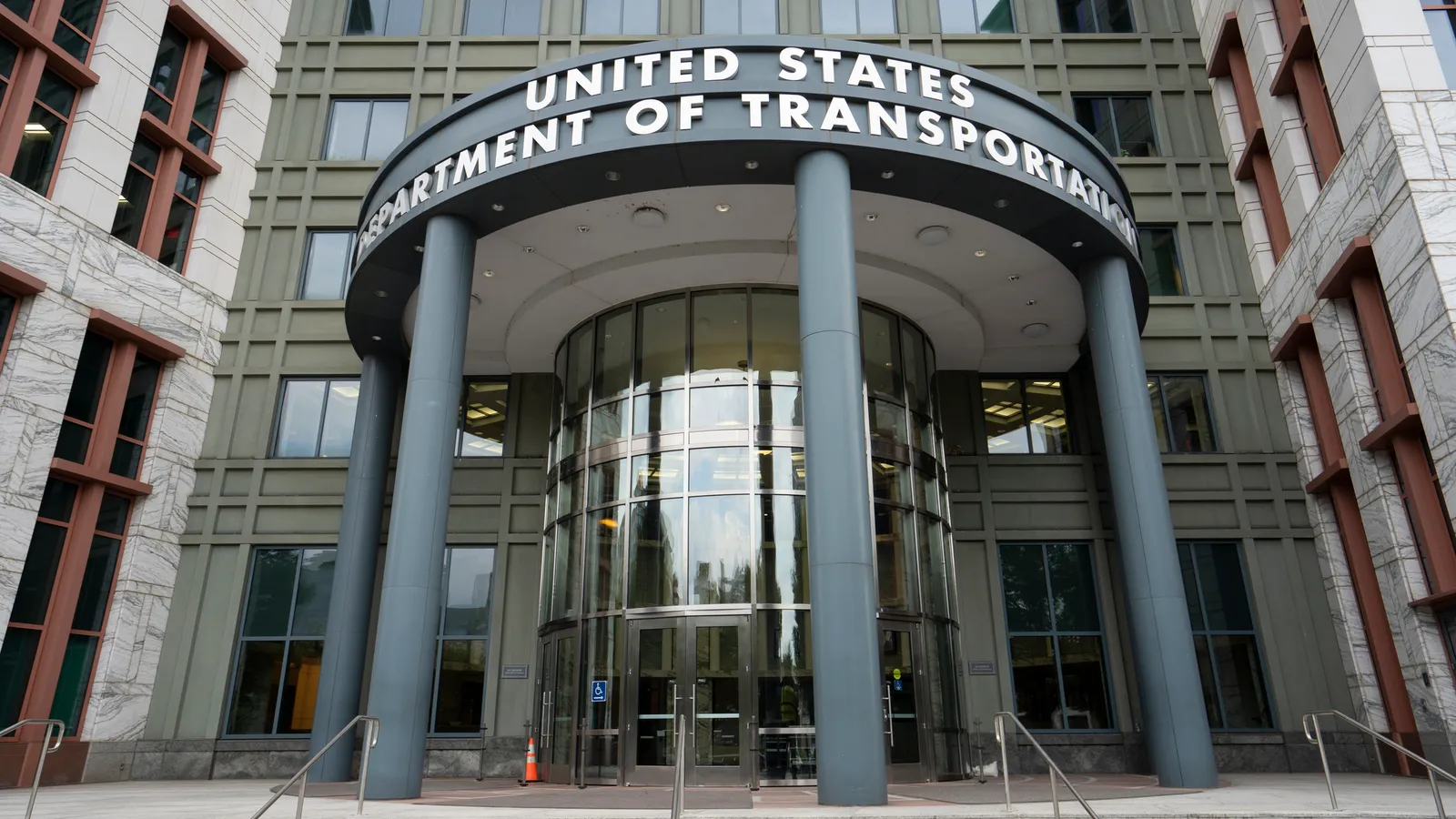 FMCSA moves to stop DOT-number switching, tighten carrier oversight and boost road safety">

FMCSA announced three formal rulemakings and immediate enforcement changes to curb DOT-number switching by “chameleon carriers,” reinforcing requirements for a carrier’s diretor place of business and physical records availability within 48 hours.
What the regulator changed today
The Federal Motor Carrier Safety Administration laid out a multi-pronged plan that targets fraudulent credentialing and weak enforcement touchpoints in the trucking sector. Key operational moves include restoring strict checks on a carrier’s declared business location, raising penalties for English proficiency violations up to license revocation, and initiating rulemaking for broker and driver training oversight.
Three rulemakings being launched
| Rule | Núcleo intent | Direto logistics impact |
|---|---|---|
| Codify enhanced suspension/revocation procedures | Streamline removal of unsafe carriers; prevent easy re-entry via new DOT numbers | Fewer rogue operators on lanes; shippers can expect more reliable capacity signals |
| New-entrant knowledge verification | Ensure applicant carriers know safety rules before operating interstate | Slower but cleaner onboarding of new carriers; improved predictability for dispatch planning |
| Broker qualification testing | Raise broker standards so freight intermediaries vet carriers properly | Better match-making of loads and carriers; reduced risk of misrouted or stranded shipments |
Additional enforcement and operational measures
- Principal place of business enforcement: physical address verification, not P.O. boxes.
- Records availability: carriers must present records for inspection at a physical location within 48 hours.
- Language and testing: knowledge tests required in English; proposal to end self-certification for driving schools.
- ELD compliance: targeted rulemaking against non-compliant electronic logging devices (ELDs).
- SafeDRIVE enforcement: unannounced, widespread inspections will continue under the campaign.
Why the agency is calling them “chameleon carriers”
The label describes operators that react to safety hits by swapping out a DOT number or business name and re-entering commerce under a new identity. FMCSA Administrator Derek Barrs stated the need to “unmask chameleon carriers,” while Transportation Secretary Sean Duffy noted patterns of hundreds of DOT numbers tied to mailbox addresses. For logistics planners this kind of identity-hopping creates false capacity signals, breaking trust between shippers, brokers, and carriers.
Practical consequences for carriers and shippers
In everyday terms, expect tighter vetting during procurement and onboarding. Freight managers who previously relied on quick DOT checks will now need deeper verification steps. Brokers may face new testing and liability if they route freight to carriers that don’t meet the updated standards.
Operational checklist carriers should follow
- Maintain a verifiable physical business address and ensure records are accessible within 48 hours.
- Document English-language testing and driver comprehension of road signs and regulations.
- Verify ELD hardware/software is fully compliant with FMCSA specs; prepare for spot audits.
- Review broker relationships and be ready to demonstrate compliance histories.
How this affects the flow of cargo and freight markets
Near-term effects are administrative but meaningful: some carriers that previously skirted standards will be suspended or forced to clean up, tightening immediate available capacity on certain lanes. That can push spot rates up for volumoso ou time-sensitive shipments, while long-term improvements in safety and reliability should lower insurance and dispute costs for shippers.
Think of it like clearing out bad apples from a supply chain orchard — painful pruning now, healthier fruit later. I remember a fleet manager telling me, “We’d rather take a hit and have predictable lanes than chase ghost capacity,” which is exactly the trade-off FMCSA seems to be aiming for.
Brokers, CDL schools and enforcement tech
The rulemaking push extends beyond carriers. FMCSA plans to end self-certification for commercial driving schools and to require written tests in English. Brokers will face testing to confirm their ability to vet carriers. Meanwhile, Motus — the registration system — will be used more broadly this year to modernize carrier records and improve traceability.
Quick reference: enforcement outcomes and timelines
| Medida | Expected temporização | Likely outcome |
|---|---|---|
| Immediate enforcement of principal place of business | Already emphasized; inspections to follow | Rapid weeding out of mailbox-based operations |
| Formal rulemakings (three) | Initiated now; rulemaking timelines vary | Stronger statutory basis for suspensions/revocations |
| ELD non-compliance targeting | Rulemaking initiated | Improved electronic logging data integrity |
Recommendations for logistics professionals
- In procurement: verify a carrier’s physical address and request on-site records or digital access proofs.
- For brokers: prepare for qualification testing and tighten carrier due diligence workflows.
- For shippers: plan contingency lanes and consider volume contracts to shield against short-term capacity fluctuations.
- For carriers: document compliance, upgrade ELDs, and ensure driver language competency records are in order.
Overall, these changes will nudge the industry toward greater transparency. It’s the sort of regulatory housekeeping that makes life easier for honest operators and harder for those playing musical chairs with DOT numbers.
Highlights: stricter DOT identity verification, 48-hour records access, English-language testing, ELD enforcement, and broker/driver qualification requirements. Even the best reviews and the most honest feedback can’t truly compare to personal experience — seeing a carrier’s paperwork or watching an ELD report in action tells you more than a rating ever will. On GetTransport.com, you can order your cargo transportation at the best prices globally at reasonable prices. This empowers you to make the most informed decision without unnecessary expenses or disappointments, benefiting from the platform’s transparency and convenience. For your next cargo transportation, consider the convenience and reliability of GetTransport.com. Book your Ride GetTransport.com.com
In summary, FMCSA’s push to unmask chameleon carriers and raise operational standards will tighten domestic freight markets in the short term but should improve long-term reliability across shipping, forwarding, haulage and distribution. Expect better traceability for containers, pallets and bulky loads, clearer broker responsibilities, and fewer rogue operators disrupting supply chains. Platforms like GetTransport.com simplify the search for reliable transport—whether you need a housemove, parcel pickup, vehicle haulage or international freight—by connecting you to transparent, affordable carriers and streamlining booking and dispatch. Reliable transport, safer roads, and cleaner logistics flows: that’s the endgame for shippers, carriers, and customers alike.