


 Português
  English (UK)
  Русский
  العربية
  日本語
日本語  한국어
한국어  Magyar
  Türkçe
  Español
  Čeština
  Svenska
  Ελληνικά
  Suomi
Suomi  Nederlands
  Română
  Italiano
  Français
  Polski
  Українська
  Deutsch
  简体中文
简体中文  Slovenčina
 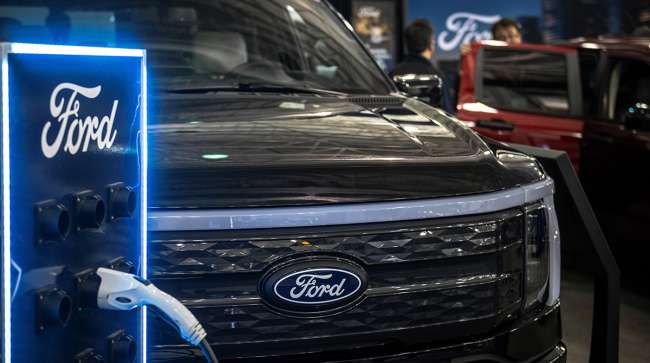 Ford Shifts Focus from F-150 Lightning EV to Hybrid and Gas Trucks, Steering Toward New Transport Trends">

Ford Abandons All-Electric F-150 Lightning Truck
In a surprising twist for the automotive and logistics world alike, Ford Motor Co. has announced it will halt production of its fully electric F-150 Lightning pickup. This move signals a significant shift away from the full-electric vehicle (EV) strategy the company once championed. Instead, Ford is doubling down on more traditional powertrains, including gasoline engines and hybrid electric vehicles (HEVs), reflecting changing consumer demand and economic realities.
Financial Strains and Market Realities Drive Change
Ford has faced mounting losses to the tune of $13 billion since 2023 due to its EV ventures. Expectations now point to an even heftier financial hit of about $19.5 billion, mostly impacting the fourth quarter. This financial pressure, paired with faltering demand for purely electric models, nudged the automaker to rethink its approach.
The iconic F-150 Lightning, once heralded as the flagship of Ford’s electric revolution, falls victim to this strategic pivot. Production facilities that were primed for its manufacture are also being repurposed:
- The Tennessee Electric Vehicle Center, originally set up for EVs and battery production, is transitioning to build affordable gas-powered trucks.
- The Ohio Assembly Plant will shift focus to produce a blend of gas and hybrid vans, highlighting a more gradual electrification approach.
A Strategic Shift Back to Hybrids and Extended-Range EVs
Ford’s recalibrated vision suggests that by the year 2030, about half of its global sales will be hybrids, extended-range EVs (which still include gasoline engines), and full EVs—a notable increase from the 17% recorded this year. This balanced mix caters to consumers who remain wary of all-electric options due to price, infrastructure, or usability concerns.
Market Conditions and Consumer Preferences
Despite the push towards electrification, U.S. EV sales hover around a modest 8% of total new vehicle sales. Price tags remain a sticking point, with the average new EV transaction clocking in at nearly $59,000, well above the average price of all vehicles at roughly $50,000. On top of cost challenges, charging infrastructure hasn’t fully caught up, especially for buyers who lack convenient home charging options, leaving a significant portion of consumers hesitant.
Industry-Wide Implications and the Bigger Picture
Ford’s move is part of a larger industry recalibration as automakers across the board grapple with balancing ambition and demand. The industry is learning that the transition to electric won’t be a sprint but more of a marathon, shaped heavily by evolving consumer preferences, government incentives, and infrastructure development.
| Aspeto | Impacto na Logística e Transporte |
|---|---|
| Shift from Pure EVs to Hybrids | More flexible fleet options; gradual adaptation to electric infrastructure |
| Halting F-150 Lightning Production | Potential changes in vehicle availability for cargo and freight transport |
| Increased Focus on Gasoline and Hybrid Trucks | Possibly better cost management in transport fleets |
| Financial Losses and Capital Redeployment | Impacts on manufacturing investment and supply chains |
Manufacturing Adjustments Reflect Broader Transport Needs
The repurposing of the BlueOval City facilities underlines a practical approach to production—switching from an exclusive electric focus to a diversified vehicle lineup better aligned with current market needs. For logistics providers and transport companies, this means access to a wider range of vehicles that balance efficiency, cost, and environmental considerations.
Comments from Industry Experts
Market analysts highlight that Ford’s early decision to convert existing truck platforms to accept EV drivetrains was a cost-saving maneuver, but the EV market’s growth momentum hasn’t met initial expectations. Industry voices note the advantage of adding affordable trucks to the Ford lineup, filling a market gap for cost-sensitive buyers.
How This Development Ties Into Logistics and Global Shipping
Electric vehicle adoption directly impacts logistics through changes in fleet composition, fuel usage, and sustainability practices. Ford’s strategic pivot will influence fleets that rely on pickups and vans for delivery, freight, and bulky cargo transport. Hybrid and extended-range EVs can provide a smoother transition for companies concerned about range and infrastructure compatibility.
Logistics operators should watch such industry shifts closely. They can expect a more mixed vehicle fleet in the coming decade, necessitating adaptive planning for fuel, maintenance, and charging needs. Equally, transport services that rely on affordable, reliable vehicles will benefit from a variety of options, including hybrid technology, which blends electric benefits with traditional fuel reliability.
Table: Vehicle Options and Logistics Considerations
| Tipo de veículo | Advantages in Logistics | Desafios |
|---|---|---|
| All-Electric | Zero emissions, low operating costs | Charging infrastructure, range anxiety |
| Hybrid | Extended range, flexible fuel use | Higher upfront cost than gasoline |
| Gasoline-Powered | Lower purchase price, established refueling network | Higher emissions, volatile fuel prices |
Why Personal Experience Matters in Vehicle Selection
Even with plenty of reviews and data, the true test comes from firsthand use. Factors like driving range, total cost of ownership, and vehicle reliability often become more apparent only after real-world operation. This is especially true in logistics, where vehicle performance affects scheduling, fuel costs, and customer satisfaction.
Plataformas como GetTransport.com empower transporters to explore a broad spectrum of vehicle options worldwide at competitive prices. Whether moving bulky cargo, vehicles, or furniture, users can find transportation solutions tailored to their needs without breaking the bank or being locked into limited choices. Clarity, convenience, and affordability make such platforms invaluable in managing logistics effectively. Reserve sua viagem em GetTransport.com
Olhando para o Futuro: Impacto na Logística Global
While Ford’s shift to hybrids and gas engines may not cause immediate global upheaval in logistics, it underscores a larger lesson: the transition to electric vehicles in freight and transport is a gradual process. Companies in the logistics sector must therefore stay adaptable, monitoring vehicle innovations and adjusting fleet strategies accordingly.
GetTransport.com stays at the forefront of these changes by offering diverse vehicle transport and delivery services globally. This flexibility and awareness of market shifts ensure that users can navigate evolving transport landscapes with ease. Start planning your next delivery and secure your cargo with GetTransport.com.
Resumo
Ford’s decision to discontinue the F-150 Lightning electric pickup highlights the complex realities of vehicle electrification in today’s market. Financial pressures and consumer preferences are steering the company toward a balanced approach that embraces hybrids and gasoline engines alongside electric vehicles. For logistics and transport sectors, this means a move toward more versatile, cost-effective vehicle fleets that can meet the demands of cargo, freight, and bulky goods delivery worldwide.
With hybrid and extended-range EVs providing a middle ground, logistics companies can maintain operational reliability while gradually embracing greener technologies. Platforms like GetTransport.com simplify these logistics challenges by connecting users to affordable, reliable, and diverse transport solutions globally, empowering better decisions for moving shipments, parcels, vehicles, and bulky items efficiently.