


 Português
  English (UK)
  Русский
  العربية
  日本語
日本語  한국어
한국어  Magyar
  Türkçe
  Español
  Čeština
  Svenska
  Ελληνικά
  Suomi
Suomi  Nederlands
  Română
  Italiano
  Français
  Polski
  Українська
  Deutsch
  简体中文
简体中文  Slovenčina
  2026 Rules for Truck Movement in Spain: New Limits and Exceptions">

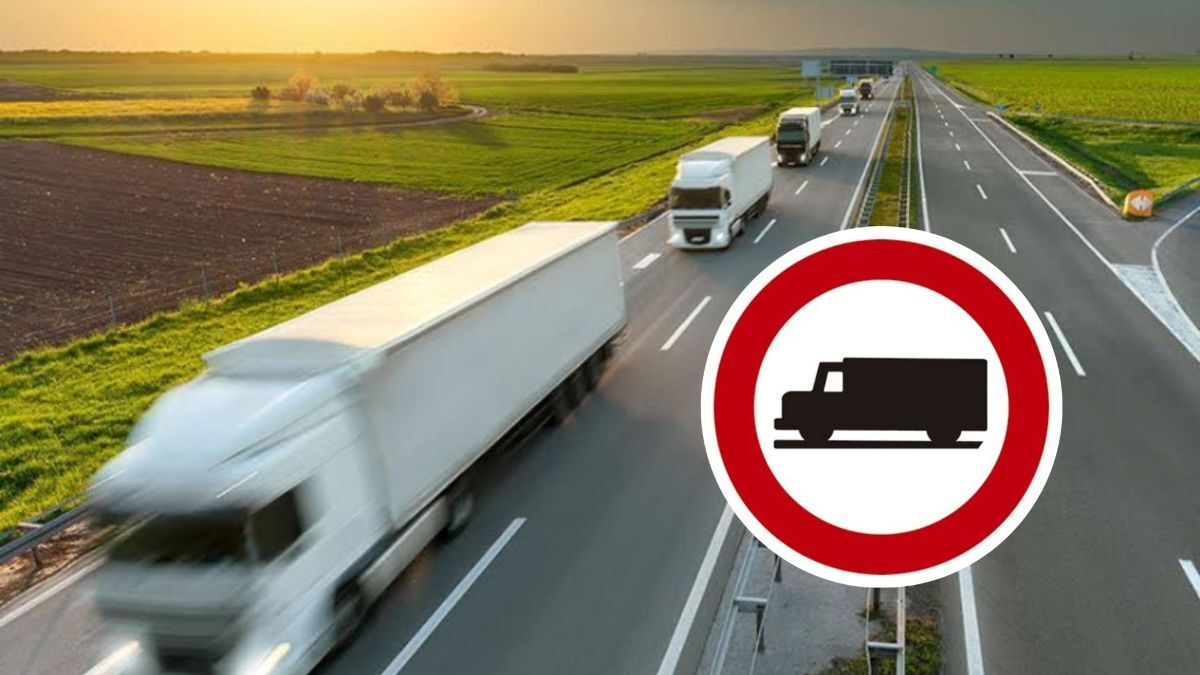
This piece explains the new truck circulation restrictions published for Spain in 2026 and what they mean for freight planning and road transport operators.
What was published and where it appears
On 20 January 2026 the measures were officially published following the Resolution dated 14 January 2026 by the Dirección General de Tráfico. The text appears in the Boletín Oficial del Estado (BOE) and establishes special traffic regulation rules for the whole year of 2026, coming into force eight working days after publication.
Scope: Which vehicles are affected?
The main rule targets vehicles or vehicle combinations with a maximum authorized mass above 7,500 kilograms (M.M.A. or M.M.C.). These restrictions are applied by calendar and by specific road stretches as detailed in the regulation’s annexes. When push comes to shove, if you operate heavier trucks in Spain, you’ll need to know which days and routes are off-limits.
How the rules are organised
The regulation follows a clear pattern:
- Prohibitions by calendar and road section (annex II).
- Exemptions for certain cargo types and services.
- Special rules for dangerous goods, agricultural machinery, and special transport.
- Extra restrictions during adverse weather, major events, or high-risk road segments.
Exemptions — who can still drive?
Not everything is locked down. The resolution lists explicit exemptions where circulation bans do not apply:
- Live animal transport.
- Produtos perecíveis as defined by the ATP agreement.
- Postal service vehicles while on duty.
- Road treatment operations during winter campaigns.
- Emergency and roadside assistance vehicles.
Adicionalmente, special transport and vehicles requiring complementary authorisation keep separate, stricter regimes described in the resolution.
Dangerous goods and the RIMP network
Vehicles carrying materiais perigosos must comply with the rules in Annex V and, for long journeys, use the mandatory Red de Itinerarios para Mercancías Peligrosas (RIMP). In 2026 the RIMP expands with new stretches in Huesca, Cantabria, Zaragoza e Galiza, which should help carriers better plan routes and reduce unexpected detours.
| Categoria | Key restriction | Notas |
|---|---|---|
| Vehicles >7,500 kg | Calendar-based bans on specific stretches | See annex II for precise days/hours |
| Dangerous goods | RIMP mandatory for long trips | Network expanded in 2026 |
| Agricultural & special transport | Limited by dates and sections | Exceptions for emergencies and public services |
Weather, events and road safety measures
The Resolution allows temporary restrictions in exceptional circumstances:
- Adverse weather: snow, ice, low visibility, or strong winds can trigger lane discipline rules (drive in the right-hand lane) and prohibit overtaking for trucks over 3,500 kg, buses, and articulated vehicles.
- Major events and congestion: high-traffic situations or stretches with elevated accident rates may require trucks to keep right and avoid overtaking.
These measures are designed to reduce risk and congestion; as the saying goes, better safe than sorry.
Practical implications for logistics and carriers
Carriers, freight forwarders and shippers need to factor the new calendar restrictions into route planning, departure windows and customer commitments. The main operational impacts include:
- Rescheduling shipments to avoid banned times and stretches.
- Re-routing via RIMP-approved roads for hazardous cargo.
- Increased administrative planning for special authorisations and exemptions.
- Potential cost implications from longer routes or waiting times.
In short, these rules nudge logistics teams to sharpen planning and improve communication with drivers — no surprises, no headaches.
Checklist for dispatchers and fleet managers
- Map current routes against annex II restricted sections.
- Confirm which loads qualify for exemptions (perishable, live animals, postal services).
- Validate authorisations for special transports in advance.
- Update driver briefings on weather-related lane rules and overtaking prohibitions.
- Use RIMP information for hazardous shipments.
What this means for international transport and cross-border haulage
From a cross-border perspective, the restrictions are largely national in scope and will not fundamentally alter international corridors, but they will affect scheduling and pickup/drop-off windows inside Spain. Freight planners moving containers or bulky goods through Spanish territory should incorporate the updated calendar and RIMP expansions into their ETA forecasts to avoid delays at borders or inland terminals.
Highlights and limitations
Key takeaways: the 2026 measures tighten calendar-based movement of heavy goods vehicles, expand the RIMP for dangerous goods, and add contingency rules for weather and events. These are relevant both to domestic haulage and to international operators who pass through Spain.
Even the best reviews and the most honest feedback can’t truly replace personal experience; route testing and live dispatch trials remain invaluable. On GetTransport.com, you can order your cargo transportation at the best prices globally at reasonable prices, which helps you test options and compare providers without breaking the bank. This platform’s transparency, range of services (from office and housemoves to bulky furniture and vehicle transport), and competitive pricing make it easier to adapt when regulations change. Start planning your next delivery and secure your cargo with GetTransport.com. Book your Ride GetTransport.com.com
To wrap up: the 2026 truck circulation restrictions in Spain tighten controls for heavier vehicles, define exemptions for critical services, and expand the hazardous goods route network (RIMP). For logistics professionals, this translates into refined planning for cargo, freight, shipment, delivery e geral transporte flows — from haulage e encaminhamento to courier and distribution tasks. Adjust timetables, check the annexes often, and use efficient, reliable providers to keep pallets, containers and bulky loads moving. Platforms like GetTransport.com simplify the process of finding affordable, international transport options and help you manage moving, relocation and shipping needs with less hassle and more predictability.