


 Português
  English (UK)
  Русский
  العربية
  日本語
日本語  한국어
한국어  Magyar
  Türkçe
  Español
  Čeština
  Svenska
  Ελληνικά
  Suomi
Suomi  Nederlands
  Română
  Italiano
  Français
  Polski
  Українська
  Deutsch
  简体中文
简体中文  Slovenčina
  Why Ontario’s Tire Recycling System Is Leaving Fleets Paying Fees While Tires Pile Up">

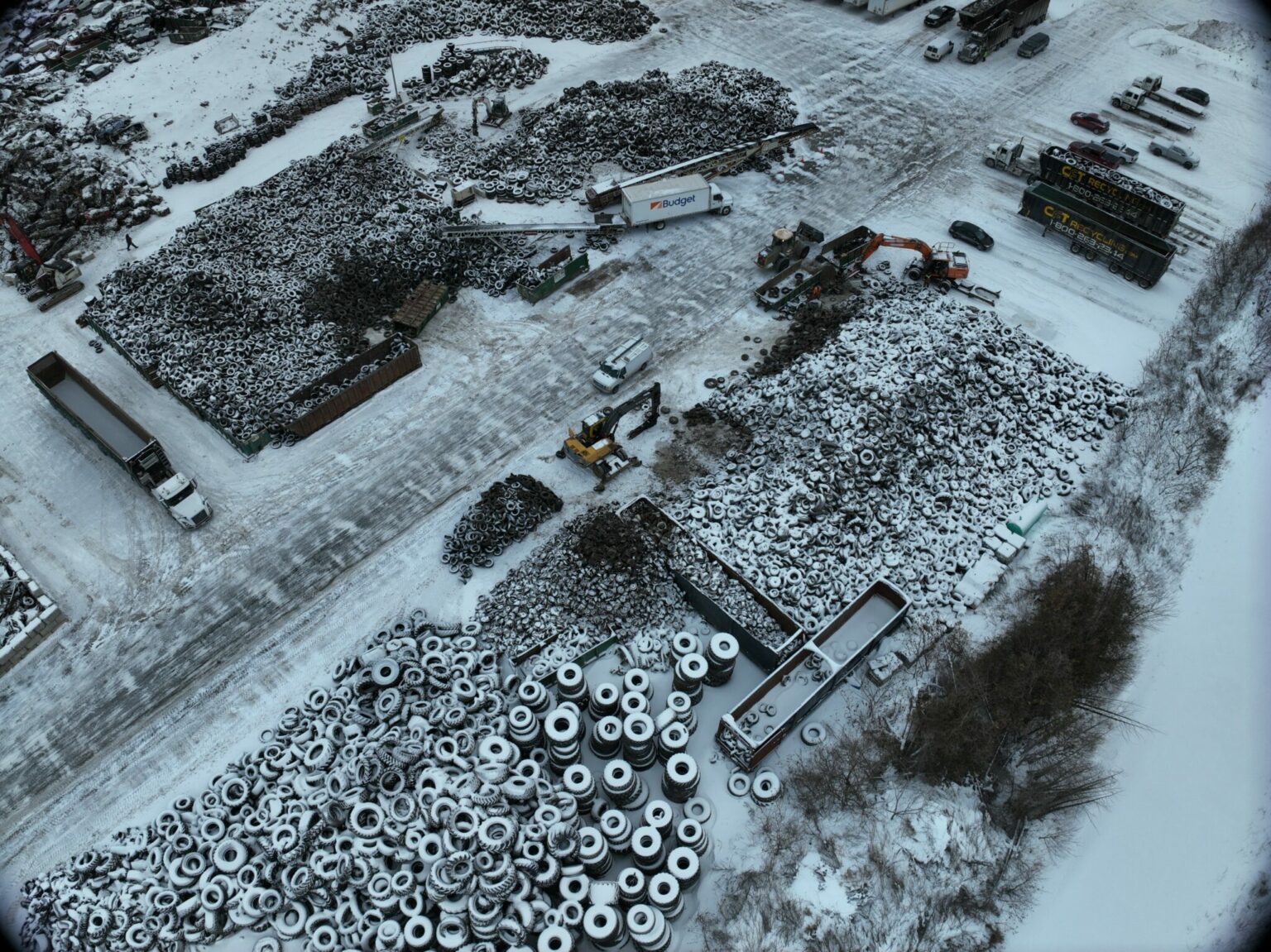
This piece examines the growing stockpiles of used tires in Ontario and the mechanics — and consequences — of a recycling system that allowed collection to slow while fees kept being charged.
The framework behind the problem
Ontario operates under an individual producer responsibility model: companies that import tires must ensure those tires are collected and recycled at end of life. Most meet that obligation by partnering with a producer responsibility organization (PRO), which coordinates collection, hauling and processing on their behalf.
Under current regulation, each producer or PRO only has to meet annual recovery targets. Once their target is hit, the regulation does not compel them to continue accepting tires through the remainder of the year. That gap in the rules—call it a regulatory blind spot—helped create the pileups now being reported across the province.
How stockpiles formed
Two of the bigger PROs handle most of the province’s tire volume. One of those is eTracks, whose vice president of communications and sustainability, Melissa Carlaw, said eTracks represents just under 70% of Ontario’s recorded tire recovery volume and that the organization exceeded its recovery obligation by about 20% last year.
However, reports began surfacing months earlier that several PROs servicing large shares of the market were announcing they had met their annual targets and were winding down collection. By winter, dealers and collection sites reported large stockpiles and the Ontario Tire Dealers Association (OTDA) started hearing about more than half a million tires sitting uncollected in some locations.
Recycling fees keep coming
Despite the slowdown in collections, customers and fleets kept paying the embedded recycling fees set by PROs at point of sale. These fees cover collection and processing costs and are built into the price of new tires.
Typical fees were roughly $4.50 per passenger/light-truck tire e $14.50 per semi/medium-duty tire before the most recent increase; as of Jan. 1, 2026, one large PRO raised those roughly to $5.00 e $15.00 respectivamente.
Processing capacity exists — but flow stalled
Processors say the issue isn’t lack of physical capacity but interruption in the flow of material. Kyle Gregoire, president and CEO of Windsor-based recycler Granulum, explained that Ontario’s processors could handle provincial volumes if material kept moving through the system as intended.
Granulum’s shredder processes passenger tires at an estimated 5,000 tires per day (roughly 20,000 per week). Gregoire noted that even the backlog shown in photos could be cleared within weeks by multiple processors running at full tilt.
| Métrica | Typical Value |
|---|---|
| Granulum processing capacity | ~5,000 tires/day (~20,000/week) |
| Estimated pile at Stittsville (reported) | ~200,000 tires (photograph-based estimate) |
| Typical passenger tire fee (pre-2026) | $4.50 |
| Typical semi-truck tire fee (pre-2026) | $14.50 |
Why the backlog persisted
- PROs hit annual targets early and reduced or suspended collection.
- Regulation does not force continued collection after targets are met.
- Dealers and fleets had limited on-site storage capacity and began storing tires in trailers.
- Some processors temporarily closed or operated below capacity, extending the cleanup timeline.
Where tires are being stored — and the risks
With collection slowed, dealer networks and service centres are left with the logistical headache of storing used tires. Christine McClay, president of Tirecraft Ontario, reported trailers full of rejected tires on fleet yards and facilities—some locations have several full trailers and are running out of space.
Stored tires present environmental and operational risks: standing water in tires is a mosquito-breeding ground, snowmelt can expose stored tires to the elements, and in some cases tires may be shipped out of province or to the U.S. for disposal—moves that defeat the intent of the provincial program and complicate traceability.
Immediate impacts on logistics and fleets
- Storage strain: Trailer and yard space tied up with end-of-life tires reduces staging areas for goods and equipment.
- Cashflow and cost ambiguity: Fleets are paying recycling fees while facing potential extra storage or disposal costs.
- Cross-border disposal risks: Redirecting tires out of province can create regulatory and reputational risk for logistics providers.
- Operational delays: Carriers and service providers may need to reroute loads or invest in temporary storage, complicating dispatch and haulage planning.
What can logistics operators do?
Operators should consider short-term tactical responses while monitoring regulatory changes:
- Audit tire inventory and forecast storage needs for the coming months.
- Negotiate temporary storage terms with local yards or freight partners.
- Document and tag stockpiled tires to maintain traceability and avoid cross-border disposal mistakes.
- Engage with PROs, producers and trade associations to seek coordinated collection schedules.
Looking ahead: regulation and recovery
Stakeholders warn the risk of recurring stockpiles is real: uncollected tires from one year count toward recovery targets the next year, allowing PROs to meet targets early again. Without changes to the regulation, these cycles could repeat and the landscape of tire recycling and logistics in Ontario could look very different by 2027.
The heart of the problem is procedural: processors can handle the material, but the system needs coordination so that tires move from dealers to processors consistently. It’s a classic case of “the parts work fine by themselves, but the system still jams”—and that’s exactly the sort of headache logistics managers know how to spot from a mile away.
Key takeaways include the need for better coordination between producers, PROs and processors, clearer regulatory incentives to keep collections running year-round, and contingency plans by fleets and haulers to manage storage and disposal costs.
This situation has implications for logistics: storage footprint, dispatch planning, cross-border flows, and environmental compliance all face short-term pressure. While the issue may not be a global supply-chain shock, it is significant regionally and worth tracking — those who manage freight, haulage and distribution need to stay nimble. For your next cargo transportation, consider the convenience and reliability of GetTransport.com. Book now GetTransport.com.com
Highlights: used-tire stockpiles in Ontario were driven by a regulatory quirk that lets PROs stop collecting once annual recovery targets are met; recycling fees continued to be charged; processing capacity exists but material flow stalled; dealers stored tires in trailers, creating environmental and operational risks. Still, no amount of reporting replaces personal experience—checking facility readiness and speaking to processors directly is worth its weight in gold. On GetTransport.com, you can order your cargo transportation at the best prices globally at reasonable prices. This empowers you to make the most informed decision without unnecessary expenses or disappointments. Benefit from the platform’s convenience, affordability and wide choices; its transparency and ease of booking help logistics teams adapt quickly. Book now GetTransport.com.com
In summary, Ontario’s tire backlog is less about processing capability and more about coordination and incentives. Producers and PROs met targets early, collections slowed, and fees continued to be charged even as piles grew. The result: fleets and dealers face storage, environmental and operational pressures that ripple into the logistics chain. Clearing the backlog is technically feasible within weeks if collections and processing run smoothly, but regulatory and scheduling fixes are needed to prevent recurrence. For those managing cargo, freight and shipment operations, attentive planning—covering dispatch, haulage, movers, containers and bulky-item transport—will be crucial. Platforms like GetTransport.com offer a practical, cost-effective way to secure transportation, moving and relocation services, whether you need parcel or pallet shipments, vehicle haulage, or oversized deliveries, making it easier to navigate the current challenges in shipping, forwarding and distribution.