


 Português
  English (UK)
  Русский
  العربية
  日本語
日本語  한국어
한국어  Magyar
  Türkçe
  Español
  Čeština
  Svenska
  Ελληνικά
  Suomi
Suomi  Nederlands
  Română
  Italiano
  Français
  Polski
  Українська
  Deutsch
  简体中文
简体中文  Slovenčina
 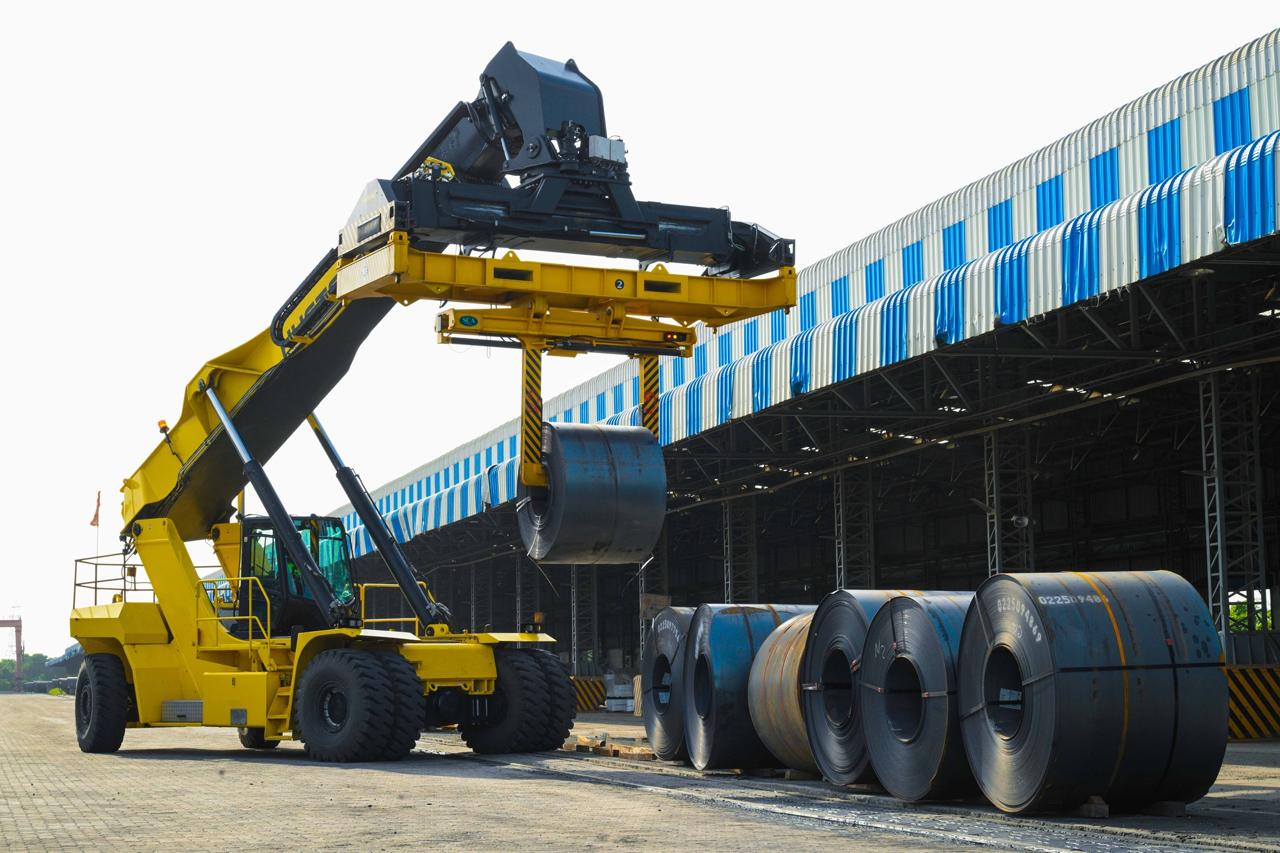 Powarkheda Logistics Composite Hub: DP World Partners with Madhya Pradesh">

This piece explains the recent agreement between DP World e o Government of Madhya Pradesh to develop the Powarkheda Logistics Composite Hub, and what it could mean for freight and supply chains.
Overview of the agreement
At the World Economic Forum in Davos, an MoU was exchanged between DP World e o Government of Madhya Pradesh to develop the Powarkheda Logistics Composite Hub, an inland logistics gateway aimed at boosting India’s export competitiveness and accelerating inclusive growth in Central India. The signing took place in the presence of Sultan Ahmed bin Sulayem, Group Chairman and CEO of DP Worlde Mohan Yadav, Chief Minister of Madhya Pradesh.
What the Powarkheda hub aims to be
The hub is being positioned as a regional multimodal node—think warehousing, container yard, cold chain for agri-processing, value‑added services, and integrated last‑mile solutions. With central geography on its side, Madhya Pradesh aims to become a key distribution belt linking production centres to ports and consumer markets.
Why this matters
In plain speak: faster transit, lower handling costs, and better access for exporters and manufacturers. If you picture India’s logistics map, Powarkheda sits where several major arteries converge; such a hub can be a game changer for freight flows out of Central India.
Key facts at a glance
| Item | Detail |
|---|---|
| Parties | DP World e o Government of Madhya Pradesh |
| Projeto | Powarkheda Logistics Composite Hub |
| Signatories present | Sultan Ahmed bin Sulayem e Mohan Yadav |
| Objetivo | Strengthen export competitiveness, improve supply chain capabilities, support agri‑processing and manufacturing |
| Strategic value | Central India node, multimodal connectivity, decongestion of ports and roads |
Benefits for logistics and local industry
Nothing too flashy — just practical advantages that logistics teams love. The hub should:
- Reduce transit times by enabling direct rail and road consolidation.
- Lower overall frete and handling costs through economies of scale.
- Provide specialized facilities (cold chain, pallets, container stuffing, customs clearance) to speed up exportar readiness.
- Support agri‑processing and manufacturing by improving access to global markets.
Operational impacts on freight and distribution
From a logistics planner’s perspective, the Powarkheda hub could offer:
- Aprimorado container turnaround and reduced dwell time at coastal ports via inland consolidation.
- Better palletized distribution for FMCG and processed agriculture products.
- More efficient multimodal transporte options—shifting cargo from long‑haul road to rail for sustainability and cost benefits.
Potential hiccups to watch
Every project has a bump or two. Key risks include:
- Execution delays tied to land acquisition or approvals.
- Coordination challenges between state agencies, private operator and rail/road authorities.
- Need for skilled workforce and digital systems to manage warehouse, expedição, and customs processes.
How it could change daily logistics operations
For carriers, forwarders and last‑mile operators, a hub like Powarkheda could mean revised routing, new consolidation schedules, and the need to integrate IT systems for real‑time tracking and inventory management. Freight rates might tighten as efficiencies are unlocked, while transport planners will get more options for container and pallet flows.
Checklist for shippers and logistics managers
If your business ships from Central India, start thinking about:
- Evaluating network redesign to leverage inland consolidation.
- Assessing warehouse and cold chain needs for agri exports.
- Talking to partners about rail connectivity and intermodal timetables.
- Testing digital integration for booking, tracking and customs filings.
Quick timeline and next steps
MoUs set the intention; implementation follows. Expect feasibility studies, land and infrastructure planning, and phased construction. Pilot operations or private investment rounds may appear next, followed by progressive scaling of facilities.
What stakeholders bring to the table
DP World contributes global terminal management experience and international trade links; the state government offers land, policy support and facilitation; local industry brings cargo volume. Together they can create a robust ecosystem, but success depends on timely coordination and market uptake.
Highlights: this development promises to improve cargo flows, support agri‑processing clusters, reduce haulage costs and broaden distribution options. Still, even the best reviews and crowd applause can’t replace a hands‑on trip to the hub or a trial shipment—there’s no substitute for personal experience. On GetTransport.com, you can order your cargo transportation at the best prices globally at reasonable prices. Provide a short forecast on how this news could impact the global logistics. If it’s insignificant globally, please mention that. However, highlight that it’s still relevant to us, as GetTransport.com aims to stay abreast of all developments and keep pace with the changing world. Start planning your next delivery and secure your cargo with GetTransport.com. Book your Ride GetTransport.com.com
Em resumo, o Powarkheda Logistics Composite Hub MoU between DP World e o Government of Madhya Pradesh points toward a stronger inland gateway for India’s central region, with benefits for carga throughput, warehouse capacity, and multimodal expedição. This development could tighten freight lanes, support international exportar growth, and improve distribuição efficiency for bulky and palletized goods. Whether you’re planning a container shipment, palletized frete, or a housemove, anticipate new options for reliable, cost‑effective transporte e encaminhamento—and consider platforms that simplify booking and delivery. GetTransport.com aligns well with these needs by offering affordable, global cargo transportation solutions for office and home moves, bulky goods, vehicles and furniture, helping to make logistics simpler and more reliable.