


 Português
  English (UK)
  Русский
  العربية
  日本語
日本語  한국어
한국어  Magyar
  Türkçe
  Español
  Čeština
  Svenska
  Ελληνικά
  Suomi
Suomi  Nederlands
  Română
  Italiano
  Français
  Polski
  Українська
  Deutsch
  简体中文
简体中文  Slovenčina
  Understanding the Mixed Effects of Rail Mergers on Intermodal Rail and Trucking Industries">

Mixed Reactions to Rail Mergers in Intermodal Freight Transportation
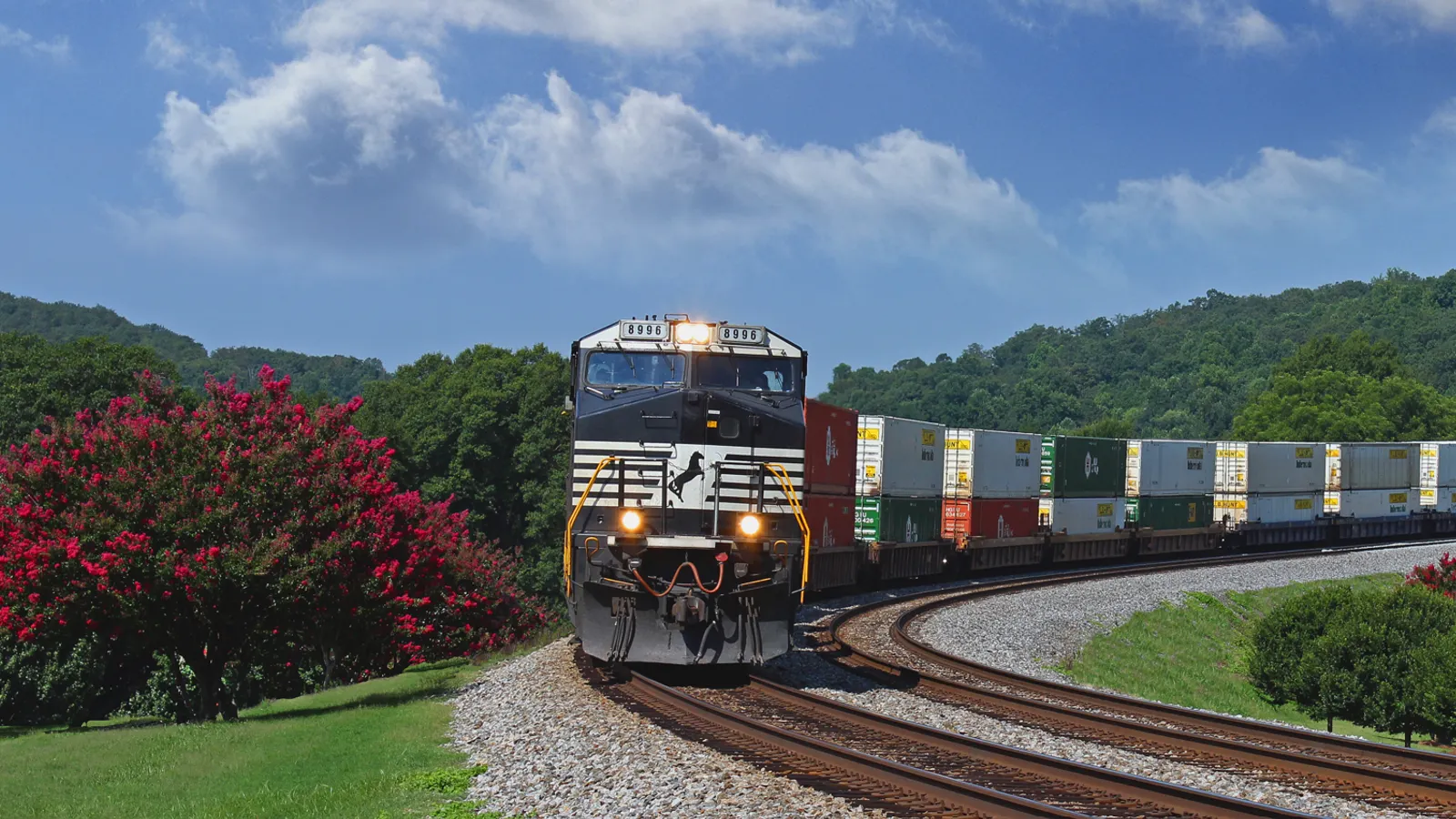
Intermodal freight transport, which blends rail and trucking to move goods efficiently, is currently at a crossroads. Recent data reveals a decline in intermodal rail volumes, with a 4.9% drop year-over-year as of early November. This fades some optimism around the sector, especially considering projections that the competitive landscape, as measured by the Intermodal Competitive Index (focusing on rail versus over-the-road trucking), is expected to remain unfavorable through much of the coming years.
Given this environment, industry watchers and regional carriers alike are curious whether a major rail merger—promising faster and more streamlined rail service—could tip the scales back in favor of intermodal growth. The trucking side is equally attentive, analyzing how these shifts may affect long haul operations and terminal expansions.
Trucking Industry’s Strategic Moves Amid Rail Changes
Some trucking companies are approaching the situation cautiously but proactively. For instance, smaller regional carriers are examining how a coast-to-coast rail network merger might influence freight flows. This involves scouting and planning new trucking terminal locations to diversify service offerings, aiming to maintain or grow their client base by adding logistical flexibility. Building operational scale becomes central in this game plan, as companies bet on their ability to coexist or capitalize on changes brought on by rail consolidation.
Such strategies highlight a broader trend: trucking firms are not only preparing to compete with rail but also to complement its strengths, especially for last-mile and regional delivery. They recognize that a merged rail network with faster transit times could channel certain freight volumes toward rail, yet trucking remains indispensable for comprehensive door-to-door logistics.
Intermodal Rail: A Dual-Edged Sword in the Transportation Puzzle
Intermodal transportation thrives on the efficient handoff between rail for the long haul and trucks for local distribution. The economics of intermodal hinges heavily on terminal access and turnaround speed, as well as on the precise scheduling railroads must maintain to compete with trucks’ flexibility. Historically, major railroads in North America jumped on the piggyback system—loading highway trailers onto flatcars as a way to streamline operations. Such methods revolutionized freight transport, allowing shipment of containers and trailers over longer distances via rail, then switching to trucks for shorter hauls.
However, intermodal volumes and growth aren’t immune to economic headwinds. The complex coordination between rail schedules, terminal readiness, and trucking availability sets a high bar that both parts of the transport chain need to meet for the system to work seamlessly.
Intermodal Rail’s Advantages and Challenges
- Vantagens: Rail excels at hauling large volumes efficiently over long distances, especially bulk commodities and containerized freight.
- Desafios: The need for specialized terminals equipped with high-capacity cranes and vast storage areas raises overhead costs.
- Competitive downside: The weight of highway trailer running gear adds to the train’s deadweight, influencing payload efficiencies.
Table: Factors Influencing Intermodal Rail Competitiveness
| Fator | Influence | Notas |
|---|---|---|
| Terminal Infrastructure | Critical | High-capacity cranes and adequate space are vital for rapid transfer |
| Transit Time Reliability | Elevado | On-time performance needs to rival trucking schedules |
| Load Size and Composition | Médio | Bulk commodities favor rail; smaller parcels favor trucking |
| Custos Operacionais | Variable | Terminal overhead and equipment maintenance impact pricing |
Implications for the Future of Logistics and Freight Carriers
For logistics professionals, these developments suggest a landscape that’s neither purely competitive nor entirely cooperative. Rail and trucking will increasingly find ways to integrate their services, especially as shippers demand reliability, speed, and cost-effectiveness in their supply chains. A bigger, merged rail system might provide new corridors for speedy long-haul freight, yet trucking will still carry the baton for flexible, customized deliveries that trains can’t reach.
The path forward means shippers and carriers alike must be nimble. Rail mergers could nudge more cargo volumes onto the tracks, but only if service quality keeps pace with customer expectations. Trucking companies that adapt by expanding terminals and diversifying routes stand a better chance of thriving alongside enhanced rail networks.
Key Points and Real-World Insights
- The recent industry data show a dip in intermodal rail volumes and a bearish forecast on rail-trucking competitiveness through 2026.
- Trucking firms are exploring terminal expansion and service diversification to adjust to potential rail network changes.
- Intermodal transportation success depends on infrastructure quality, reliable scheduling, and the smart blending of rail and trucking strengths.
- Despite consolidation, railroads face challenges such as high terminal costs and the weight penalty of piggyback equipment.
Of course, diving into reviews and forecasts can paint a broad picture, but nothing beats your own hands-on experience to truly gauge how these shifts might affect your freight operations. Platforms like GetTransport.com make it easier to test the waters by offering extensive options for cargo transportation. Whether you’re moving parcels, bulky goods, or entire office relocations, GetTransport.com delivers global logistics choices at affordable rates, helping you avoid costly trial and error. Book your Ride GetTransport.com.
Looking Ahead: What Rail Mergers Mean for Global Logistics
The merger of major rail carriers might not shake the global logistics world overnight, but it’s definitely a shift to watch closely. This consolidation could lead to more streamlined rail corridors and faster transit times, potentially increasing intermodal volumes in the medium term. Still, trucking’s flexibility for regional distribution ensures it remains a crucial player.
GetTransport.com keeps a keen eye on such developments, aiming to offer its users adaptable, reliable, and budget-friendly freight transport solutions worldwide. Start planning your next delivery and secure your cargo with GetTransport.com.
Conclusão
The dynamic interplay between rail mergers and trucking industry strategies is reshaping intermodal logistics, reflecting a mixed bag of challenges and opportunities. While railroads enhance their capacity for long-haul freight through mergers, trucking companies are adapting by expanding terminals and service networks to capture diverse shipping needs. Together, these shifts highlight the critical nature of integrated transport solutions in today’s complex supply chain landscape.
For shippers and logistics managers aiming to navigate this evolving terrain, leveraging platforms like GetTransport.com offers a way to streamline freight and cargo delivery efficiently. Through a broad selection of transport options—ranging from smaller parcels to bulky international freight—GetTransport.com stands out as a dependable partner in the world of logistics, simplifying shipping and forwarding needs, and providing solid ground for smart freight decisions in an ever-changing market.