


 Português
  English (UK)
  Русский
  العربية
  日本語
日本語  한국어
한국어  Magyar
  Türkçe
  Español
  Čeština
  Svenska
  Ελληνικά
  Suomi
Suomi  Nederlands
  Română
  Italiano
  Français
  Polski
  Українська
  Deutsch
  简体中文
简体中文  Slovenčina
  Desenterrando o Navio de Carga Joseon de 600 Anos da Coreia e Seu Legado Marítimo">

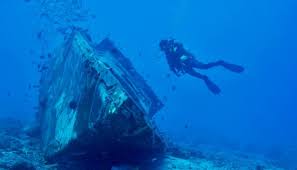
The Remarkable Recovery of the Mado 4 Joseon-Era Cargo Ship
Imagine hauling a treasure trove from six centuries ago, rising from the seabed to tell stories of ancient maritime logistics and statecraft. Off the west coast of Korea, near Taean, that’s exactly what researchers accomplished by recovering the full remains of the Mado 4—a wooden cargo ship dating to the early 15th century during the Joseon Dynasty. This isn’t just a rusty relic; it’s a tangible piece of the kingdom’s historical supply chain, showcasing how logistics and sea transport intertwined long before the modern era.
Unearthing the Past: Preservation and Discovery
The journey from discovery to recovery took nearly a decade. First spotted in 2015 resting beneath layers of sand and silt on the seafloor, intensive underwater archaeology revealed more than just ship timbers. Over 120 artifacts surfaced, including wooden tags that marked cargo destinations, rice containers, and porcelain meant for royal tribute—cementing this vessel’s role in a state-managed transport system known as the “joun.”
This system facilitated the movement of grain and official goods from provincial hubs to the capital, present-day Seoul, revealing an impressively organized national taxation and logistics network in a time when global supply chains were unheard of.
Engineering Insights from a 15th-Century Ship
The Mado 4 ship offers more than historical context; it showcases ancient maritime innovation. Unlike earlier single-mast ships common in Korea, this vessel had a twin-mast design optimized for speed and maneuverability. Remarkably, repairs on the hull used iron nails—the first recorded use of metal fasteners in traditional Korean shipbuilding—signaling advances in durability and construction techniques.
Taean Coast: A Hotspot for Underwater Archaeology
The recovery of Mado 4 highlights Taean’s significance as a maritime archaeological hub. Beyond this 600-year-old find, recent sonar and dive explorations uncovered a second shipwreck nearby, filled with celadon ceramics dating back to 1150–1175. If confirmed, it would mark the oldest Korean shipwreck on record, predating the Joseon vessel by over two centuries and shining light on the Goryeo Kingdom’s maritime activities.
| Caraterística | Mado 4 (15th Century) | Earlier Shipwreck (12th Century) |
|---|---|---|
| Estimated Age | ~600 years old (circa 1420) | Over 750 years old (1150-1175) |
| Key Artifacts | Wooden cargo tags, rice containers, porcelain for tribute | Celadon ceramics |
| Significado | Evidence of state-run logistics and taxation via maritime routes | Possible earliest evidence of Korean maritime commerce |
Since the first local fisherman’s discovery in 2007, the cluster of wrecks along Taean’s coast has exposed a once-flourishing maritime corridor that formed a backbone for centuries of state finance, tribute exchange, and regional distribution.
The Bigger Picture: Maritime Logistics and Cultural Heritage
At its core, the Mado 4 unearths the sophistication of early Korean logistics systems. Transporting bulky goods—rice, porcelain, and other essentials—across treacherous coastal waters required dependable vessels and precise planning. Understanding these historic supply routes adds depth to the study of premodern freight and shipping and reminds today’s logisticians that many of our challenges have been tackled long ago, albeit with different tools.
Why This Archaeological Work Matters for Today’s Logistics World
The story of Mado 4 emphasizes key logistics lessons—risk management in transport routes, cargo tracking (via wooden tags), and state-level coordination over supply chains—which resonate even in current global freight and distribution sectors. It’s a reminder that efficient moving of goods is timeless, whether it’s ancient rice shipments or modern bulky freight.
- Strategic Route Planning: Ancient routes navigated strong tides and hazardous passages, highlighting the importance of planning in logistics.
- Cargo Documentation: Wooden tags acted as early cargo labels, akin to today’s barcodes or tracking systems.
- Durable Vehicle Innovation: The use of iron nails shows an early adaptation for ship longevity, paralleling modern improvements in transport technology.
Explore More with GetTransport.com
When it comes to reliable cargo transportation, whether for moving bulky goods, vehicles, or entire house relocations, modern platforms like GetTransport.com offer affordable, global solutions. Just like the state-run systems of old, today’s logistics demand transparency, efficiency, and trust—a balance this platform provides seamlessly.
First-Hand Experience Beats All Reviews
While discoveries like Mado 4 fuel our fascination with historical logistics, no amount of reviews or third-party feedback compares to experiencing reliable transportation firsthand. On GetTransport.com, users gain access to competitive prices worldwide, wide carrier choices, and clear, upfront information—giving them confidence without the hassle or hidden costs. This transparency and convenience mirror the thoroughness with which ancient Korean systems operated, assuring peace of mind for any shipment.
Reserve a sua viagem now at GetTransport.com and embrace a logistics experience rooted in both innovation and trust.
How These Archaeological Insights Could Impact Global Logistics
Globally, the direct impact of this archaeological recovery might seem subtle, yet it underscores a profound truth: the evolving nature of transport technology and systems is a long story of adaptations to challenges. For the logistics industry, this serves as a cultural touchstone—highlighting the unbroken human quest to move freight efficiently, whether cargo, parcels, pallets, or containers, across land or sea.
GetTransport.com keeps pace with such developments, ensuring you have access to the best solutions in a changing world. Start planning your next delivery and secure your cargo with GetTransport.com.
Final Thoughts: Echoes of the Past Guiding Modern Freight Solutions
The recovery of the 600-year-old Mado 4 cargo ship off Korea’s west coast is more than maritime archaeology; it’s a window into longstanding logistics principles that still resonate. From the twin-mast innovation and iron-fastened repair work to the meticulous state-run joun transport system, this discovery enriches our understanding of historical freight movement and distribution networks.
As logistics continue to grow in complexity today—spanning international shipments, bulky item haulage, and precise forwarding needs—platforms like GetTransport.com stand ready, combining affordability with reliability to meet diverse transportation demands worldwide. By bridging the ancient art of cargo transport with cutting-edge service, it makes moving goods as smooth as sailing a well-built ship through even the roughest currents.