


 Português
  English (UK)
  Русский
  العربية
  日本語
日本語  한국어
한국어  Magyar
  Türkçe
  Español
  Čeština
  Svenska
  Ελληνικά
  Suomi
Suomi  Nederlands
  Română
  Italiano
  Français
  Polski
  Українська
  Deutsch
  简体中文
简体中文  Slovenčina
 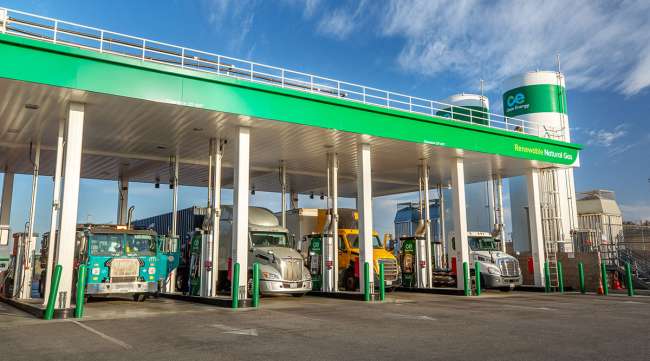 Renewable Natural Gas Drives Innovation and Efficiency in Heavy-Duty Trucking Fleets">

The Rise of Renewable Natural Gas in Heavy-Duty Trucking
Renewable Natural Gas (RNG) is increasingly grabbing the spotlight as a game-changer for heavy-duty fleets. Thanks to advancements like Cummins’ new powerful X15N natural gas engine and a broader expansion of RNG fueling infrastructure, carriers are finding more reasons—and routes—to adopt this cleaner fuel alternative.
Powerful Engines Meet Sustainable Fuel
A introdução do Cummins X15N 15-liter natural gas engine has tipped the scales for fleets aiming to maximize the benefits of both compressed natural gas (CNG) and RNG. This engine packs enough muscle to tackle demanding long-haul routes, previously dominated solely by diesel trucks.
UPS, a leader in logistics and parcel delivery, has already embraced this technology, integrating RNG-powered tractors into its fleet where diesel once reigned. The move not only aligns with sustainability goals but also aims to hold the line on total cost of ownership (TCO), a key factor when fleets contemplate switching fuels and technology.
Collaborative Ecosystems for RNG Success
Deploying RNG vehicles isn’t just about the trucks themselves. It’s more like assembling a well-oiled orchestra, involving partnerships between carriers, truck manufacturers, fuel system suppliers, maintenance teams, and RNG producers. Strong, dependable partnerships ensure RNG is sourced, delivered, and utilized cost-effectively and reliably.
Fleet operators underscore that maintaining these relationships is critical as RNG technology evolves, and real-world deployment reveals new challenges and opportunities. This collaborative approach is essential to keeping drivers rolling and costs manageable.
Balancing Costs, Performance, and Infrastructure
Of course, one elephant in the room is the upfront investment. Trucks equipped with the 15-liter natural gas engines and their specialized fuel delivery systems come with a steeper price tag than typical diesel rigs. Some fleets have noted that the higher equipment cost means the TCO might initially be greater, but fuel savings over time often offset this.
Fuel pricing variability, though, keeps decisions tricky. RNG and natural gas prices tend to be $1.50 to $2.00 less per diesel gallon equivalent (DGE), but predicting this price gap years down the line feels a bit like gambling. Maintenance contracts, fueling contracts, and fleet utilization strategies need to be carefully planned to hedge bets.
| Fator | Natural Gas Trucks | Camiões a Diesel |
|---|---|---|
| Initial Vehicle Cost | Higher (due to engine & fuel system) | Inferior |
| Fuel Cost per DGE | Typically $1.50 – $2.00 cheaper | Higher and less predictable |
| Total Cost of Ownership | Favorable over time with high mileage | Stable but higher operating fuel costs |
| Maintenance Complexity | May require specialized support | More established |
Maximizing ROI with Smart Operation
One way to accelerate return on investment is through slip-seating—multiple drivers using the same truck in shifts to boost utilization. This strategy demands careful coordination with shippers on receiving hours and a flexible, high-mileage route design to keep trucks moving nearly around the clock.
High-mileage fleets benefit fastest from RNG economics as fuel savings accumulate daily. Still, maintenance, driver training, and fueling infrastructure continue to be the pillars of efficient RNG fleet operation.
Expanding RNG Production and Fueling Infrastructure
Behind the scenes, suppliers like Clean Energy Fuels and Nopetro Energy are ramping up RNG production, often sourced from organic waste streams like dairy farms and landfills. This approach not only turns waste methane—a potent greenhouse gas—into a useful, low-carbon fuel but also helps fleets meet increasing environmental and sustainability targets.
Clean Energy Fuels’ projects across multiple states are expected to generate millions of gallons of RNG annually, fueling a variety of commercial vehicles including heavy-duty trucks, transit buses, and vocational fleets through networks of more than 600 fueling stations in North America.
Key Advantages of RNG Supply
- Utilizes methane from organic waste, reducing greenhouse gases
- Offers RNG at competitive, predictable costs versus diesel
- Serves a growing network of public and private fueling stations
- Supports fleet sustainability goals with “carbon-negative” fuel options
Infrastructure Growth: Pipelines and Fueling Stations
With almost 3 million miles of natural gas pipeline in the US, establishing fueling stations—both public and private—is more feasible than one might expect. Over 1,200 CNG and LNG stations already serve North American fleets, and production innovations like back-of-cab fuel systems have improved fuel delivery system efficiency, aerodynamics, and weight reduction in trucks.
Strategic investment in right-sized fueling infrastructure helps control costs—overbuying fuel system capacity can add tens of thousands of dollars unnecessarily.
Environmental Impact and Long-Term Outlook
The environmental payoff from RNG comes from its ability to capture and repurpose methane, a greenhouse gas many times more potent than carbon dioxide, preventing its release into the atmosphere. RNG’s low-carbon or possibly carbon-negative footprint makes it attractive not only economically but also as a vital component of fleets’ sustainability strategies.
Renewable Natural Gas: Environmental Benefits at a Glance
- Reaproveita metano de aterros sanitários, explorações agrícolas e resíduos orgânicos
- Reduz significativamente as emissões de gases de efeito estufa
- Permite operações mais limpas para a logística e o transporte de mercadorias
- Alinhado com os objetivos e regulamentos ambientais da empresa.
Desafios e Considerações Práticas
Apesar destes aspetos positivos, a adoção de RNG requer superar obstáculos como o maior investimento inicial em veículos e a coordenação dos horários de abastecimento. No entanto, à medida que mais intervenientes investem em infraestruturas e a tecnologia avança, espera-se que estas questões diminuam, criando caminhos mais suaves para implementações mais vastas de frotas.
Summary and Logistics Implications
O Gás Natural Renovável está a criar um nicho substancial no setor dos veículos pesados de mercadorias, associando inovações em motores a fontes de combustível sustentáveis. O efeito combinado melhora a economia das frotas, promove a gestão ambiental e apoia as necessidades em evolução dos operadores de logística e frete.
Para os profissionais de logística, isto significa novas oportunidades para otimizar transporte de carga, eficiência dos envios e conformidade ambiental. A expansão da infraestrutura e tecnologia de GNR promete melhorar a fiabilidade e a rentabilidade do transporte de mercadorias, desde as entregas regionais aos movimentos internacionais de carga.
Apesar de avaliações, estudos de caso e opiniões de especialistas darem uma base sólida para compreender o impacto do RNG, nada supera a experiência em primeira mão. Em plataformas como a GetTransport.com, os utilizadores podem explorar uma variedade de opções de transporte de carga aos melhores preços globais. Isto permite que os operadores façam escolhas informadas sem gastar uma fortuna ou ter surpresas. A transparência, a acessibilidade e as extensas opções de frota oferecidas pela GetTransport.com complementam na perfeição o crescente apelo do RNG na logística atual. Reserve a sua viagem GetTransport.com.
Embora o panorama da logística global possa considerar a RNG apenas uma peça em evolução de um puzzle enorme, a sua relevância é inegável. Na GetTransport.com, mantermo-nos a par destes desenvolvimentos garante que a plataforma continue a fornecer soluções de transporte fiáveis, ecoconscientes e económicas num mundo em rápida mudança. Comece a planear a sua próxima entrega e proteja a sua carga com a GetTransport.com.
Em essência, o GNR não se resume a substituir um tipo de combustível — trata-se de reformular a forma como as mercadorias se movem pelas paisagens, com um foco na sustentabilidade e na eficiência. Desde os avanços na potência dos motores até às redes de abastecimento em expansão provenientes de resíduos renováveis, este combustível oferece aos fornecedores de logística uma ferramenta para transportar mercadorias de forma mais inteligente e limpa. Para qualquer pessoa envolvida em serviços de encaminhamento, transporte, distribuição ou mudança, estar atento às tendências do RNG é como ter uma cábula para o futuro do transporte.