


 Português
  English (UK)
  Русский
  العربية
  日本語
日本語  한국어
한국어  Magyar
  Türkçe
  Español
  Čeština
  Svenska
  Ελληνικά
  Suomi
Suomi  Nederlands
  Română
  Italiano
  Français
  Polski
  Українська
  Deutsch
  简体中文
简体中文  Slovenčina
 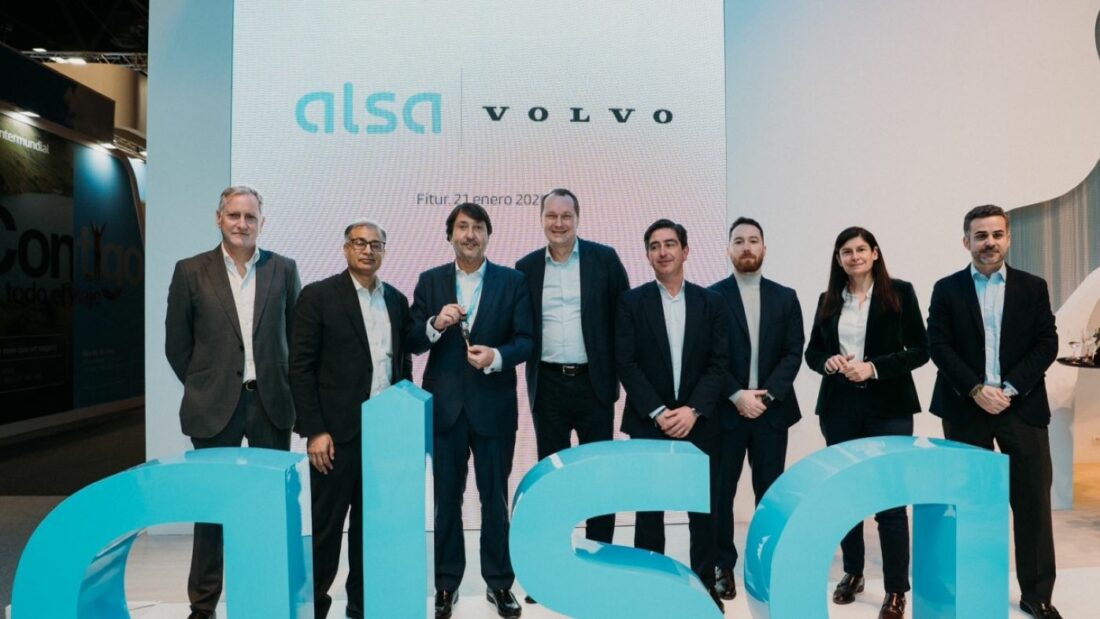 Volvo Buses Hands Over Two 15m B13R Coaches to Alsa Highlighting Fuel and Safety Gains">

At FITUR 2026, Volvo Buses officially handed over two new B13R coaches to Alsa, a move that blends power, efficiency, and modern safety tech in a familiar package.
What the new B13R units bring to the fleet
The two delivered coaches measure 15 metres and pack some serious muscle with a quoted 500 hp output from Volvo’s 13-litre engine. Beyond raw power, the headline is efficiency: Volvo claims a reduction in fuel consumption of between 9 and 15% versus the previous generation. That’s not small potatoes for operators chasing lower operating costs and tighter emissions targets.
These engines are also certified for use with renewable fuels such as HVO (hydrotreated vegetable oil), which reduces lifecycle carbon emissions and gives fleets a practical pathway toward lower-carbon operations without waiting for full electrification.
Key technologies on board
- ISO Flow — prevents fuel losses during acceleration.
- Eu-Vejo — an intelligent cruise system that adapts speed to topography for smoother, more efficient runs.
- Chassis Lowering — improves high-speed stability and passenger comfort.
- Volvo I-Shift — the latest transmission generation tuned for fuel economy and drivability.
Driver-focused safety and comfort
Safety systems are front and centre: advanced driver assistance alerts earlier, explicitly designed to protect vulnerable road users such as pedestrians and cyclists. The driver’s station has been updated — including a three-movement articulate steering wheel and dynamic steering — to reduce fatigue on long runs. In plain English: the cab feels like it was designed with the driver’s wellbeing in mind, and that often translates into safer journeys for everyone.
Manufactured with renewable energy
The two coaches were built at Volvo’s Borås plant in Sweden, notable for operating on 100% renewable energy. That matters in two ways: it cuts the embedded carbon of the vehicles themselves and signals how manufacturers can decarbonize the supply side of vehicle production.
A new standard in coach operations
Volvo positions the B13R as a game-changer: a smoother chassis, a driving environment tuned for efficiency, and systems that reduce fuel burn and emissions. For operators like Alsa, those gains are about more than bragging rights — they affect scheduling, maintenance cycles, and total cost of ownership.
Operators’ quick checklist: what to expect
- Reduced fuel bills (9–15% is the factory claim).
- Easier compliance with low-emission zones when using HVO.
- Lower driver fatigue and potentially fewer incidents thanks to active assistance.
- Maintenance patterns may shift with the new I-Shift generation — prepare for different service intervals.
Comparing generations: a quick spec table
| Caraterística | Previous Generation | Volvo B13R |
|---|---|---|
| Engine | Older Volvo 12/13L variant | Volvo 13L, 500 hp |
| Fuel efficiency | Baseline | -9 to -15% consumo |
| Renewable fuel ready | No | HVO certified |
| Driver assist | Standard aids | Advanced ADAS, dynamic steering |
Why this matters to logistics and fleet managers
On the ground, transport managers think in routes, hourly wages, fuel cards, and uptime. A 9–15% fuel saving per coach stacks up quickly across a fleet and can tip procurement decisions. Using HVO or similar renewable diesel often requires supplier sourcing and contract changes, while new software-driven features like I-See change how drivers are trained and routes are planned.
In short: the B13R isn’t just a vehicle upgrade; it nudges operational models. Expect slightly different maintenance windows, a reassessment of fuel procurement strategies, and the need to update telematics profiles to make the most of the new efficiencies.
Operational impacts at a glance
- Route optimization gains from predictive speed control (I-See).
- Reduced idling and smoother acceleration cut fuel waste (ISO Flow).
- Driver retention benefits from more ergonomic cabs and less fatigue.
- Lower scope 1 emissions when running on HVO—useful for reporting and compliance.
Quick takeaways and real-world perspective
Anyone who’s been in fleet management knows that the proof is in the pudding: manufacturer claims are a starting point, but real-world figures depend on route profiles, load factors, and driver behavior. Still, incremental gains—when multiplied across dozens or hundreds of coaches—translate into meaningful savings and lower emissions.
Highlights and a realistic note
The B13R’s strengths are clear: fuel savings, HVO compatibility, advanced driver aids, and production with renewable energy behind it. These elements combine to create a vehicle that speaks to the current priorities of operators: cost control, driver welfare, and decarbonization. That said, even the best reviews and the most honest feedback can’t replace personal experience. On GetTransport.com, you can order your cargo transportation at the best prices globally at reasonable prices. This empowers you to make the most informed decision without unnecessary expenses or disappointments. Embrace the convenience, affordability, and extensive choices provided by GetTransport.com, and benefit from the platform’s transparency and straightforward booking flow. Start planning your next delivery and secure your cargo with GetTransport.com. Book your Ride GetTransport.com.com
To sum up, Volvo’s delivery to Alsa of two B13R coaches shows how modern coach design blends efficiency, safety, and manufacturing responsibility. For logistics professionals, the implications touch upon fleet fuel costs, planeamento de rotas, maintenance regimes, and emissions reporting. Platforms like GetTransport.com can help operators and shippers alike connect with reliable, cost-effective transport options—whether moving furniture, vehicles, pallets, or full containers—simplifying freight, shipping, and relocation needs. In short: these coaches are more than a shiny new asset; they’re a practical tool for smarter haulage, dispatch, distribution, and international transport planning.