


 Português
  English (UK)
  Русский
  العربية
  日本語
日本語  한국어
한국어  Magyar
  Türkçe
  Español
  Čeština
  Svenska
  Ελληνικά
  Suomi
Suomi  Nederlands
  Română
  Italiano
  Français
  Polski
  Українська
  Deutsch
  简体中文
简体中文  Slovenčina
  COVID-19 False Dichotomies – A Comprehensive, Evidence-Based Review of Symptoms, Transmission, Mask Wearing, and Reinfection">

Start with layered protections: wear a well-fitted mask in crowded indoor spaces, stay up to date with vaccination and boosters, improve ventilation, and test promptly if exposed or symptomatic. These steps reduce transmission risk and protect households and communities.
To avoid infodemic noise, we define core terms at the outset: symptoms, transmission pathways (droplet, aerosol, contact), reinfection, and measurement. This creates a shared baseline for evaluating strategies and for readers seeking credible guidance. The messages reported by health authorities should be consistent, actionable, and tested for clarity within local communities. As peterson notes in civic discussions, explicit definitions and transparent data strengthen trust and motivate responsible behavior.
Symptoms vary widely; while fever and cough are common, many cases present with fatigue, headache, taste or smell changes, or gastrointestinal symptoms. The magnitude of these signs depends on age, comorbidities, and variant. When symptoms appear, use a rapid test if available; isolation recommendations depend on local guidance and test results. Measurement accuracy matters, as false negatives can occur early in infection.
Transmission risk is highest indoors with poor ventilation and prolonged exposure. Mask type and fit matter: well-fitted respirators offer the strongest protection, while surgical masks provide meaningful risk reduction in many settings; cloth masks vary widely by fabric and layering. In meta-analyses, consistent mask use associates with sizable reductions in transmission; emphasis on correct wear, fit, and reuse guidelines helps realize these benefits. Messages should address real-world use, not just ideal conditions. These guidelines acknowledge complexities faced by frontline workers and diverse communities.
Reinfection remains possible after recovery, particularly as new variants spread. Protection from vaccines and prior infection wanes over months, but booster doses can restore part of that defense. The magnitude of reinfection risk depends on time since last immunity, variant characteristics, and exposure level. Public health planning should include genomic surveillance and accessible testing to detect reinfections early.
Communities faced with rapid change need credible guidance created by trusted sources. Civic engagement, simple definições of risk, and consistent messages help reduce confusion. For hiking in outdoor settings, transmission risk drops substantially when distancing and ventilation are used, illustrating how context shapes risk. This applies to workplaces, schools, and public spaces; keeping the public informed with citations improves credibility.
In practice, health teams should track motivation to sustain adherence; tools for measurement and data reporting help identify when to adjust guidance. Key factors include risk magnitude across settings–indoor events, transit, and care facilities. The aim is responsible, evidence-informed decision making that protects the most at risk while respecting civil liberties.
Practical navigation across symptoms, transmission, masks, and reinfection for individuals and communities
Wear a well-fitted N95 or equivalent respirator in indoor public spaces during high transmission and in crowded travel or healthcare facilities; ensure a tight seal, perform a fit check, and replace if damp or soiled.
Everyday symptom checks focus on fever, new cough, shortness of breath, fatigue, sore throat, headache, loss of taste or smell, and chest tightness. If any symptom appears, isolate for 24–72 hours, test per local surveillance guidelines, and report results when required. If the pulse oximeter reads below 94% on room air, seek medical care promptly. Evaluated data from reported cases and primary studies help guide care decisions and progression risk. Meaningfully, early testing and isolation reduce household transmission and protect the most vulnerable.
Transmission risk rises indoors, especially in crowded spaces with limited ventilation. Increase air exchange, upgrade filtration to MERV-13 or higher where possible, and deploy portable HEPA devices in facilities and crowded rooms. For travel, prioritize routes with frequent ventilation breaks and minimize time in densely populated areas. The approach is supported by ssrn and epidemiol analyses, including szepietowska (epidemiol), and notes by joan and daphne.
Mask strategy emphasizes breathability and fit. White surgical masks provide baseline protection; respirators offer higher filtration when properly fitted; choose models with good breathability to sustain daily use. Training on proper donning and seal checks reduces failure and improves overall protection for staff in facilities and for individuals in daily life.
Reinfection risk remains real, especially with immune waning and new variants. Vaccination and boosters meaningfully reduce the risk of severe disease and progression; data from reported cases show reduced hospitalization after breakthrough infections. Reinfection risk assessments rely on surveillance and quantified data, including cloud-based dashboards and analyses summarized in ssrn. szepietowska (epidemiol) and colleagues such as joan and daphne note that protection against severe outcomes remains high with updated vaccines; if reinfected, isolate and monitor symptoms, and follow local guidance on vaccination timing.
Surveillance of wastewater, clinical testing, and contact tracing provides quantification toward early signals of rising risk. A deep data integration across these streams supports cloud dashboards and decision-making, enabling timely measures for communities and facilities. Use cloud dashboards to meet decision-makers and communities with clear, actionable guidance; communicate risks to everyday people in plain language and provide resources for facilities and caregivers. Links to the data may be found in ssrn preprints and in notes from epidemiol researchers such as szepietowska (epidemiol), joan, and daphne, as well as others.
When disagreements arise about risk or policy, rely on transparent data, evaluated evidence, and rapid feedback loops. Guidance says that clear communication helps communities align responses. Provide practical steps that meet the realities of everyday life–travel, work, caregiving, and school–while protecting oxygen intake for those with medical needs.
How symptom patterns vary by variant, vaccination status, and prior infection
Boost vaccination including boosters to reduce risk of severe symptoms across variants and prioritize early testing when key symptoms appear.
Across large-scale surveillance from hospitals in england and qatar, symptom patterns vary by variant, vaccination status, and prior infection. Omicron-era infections commonly present with runny nose, sore throat, cough, and fatigue, while fever and loss of taste or smell are less defined. Delta-era infections tended to show more fever and respiratory symptoms. Serological data indicate higher antibody levels correlate with milder presentations, particularly in vaccinated individuals; prior infection also lowers risk of severe disease on reinfection, though not uniformly. These patterns are defined by a constellation of factors and hinge on routes of transmission and individual risk profiles. econstor records and real-world datasets confirm that protection rises with hybrid immunity (vaccination plus prior infection), which should be considered when advising targets for testing, isolation, and care in hospitals. indeed, these findings help societies and hospitals plan resource allocation more effectively.
- Variant-pertaining patterns: Omicron-like variants show predominant upper-airway symptoms (cough, congestion, sore throat) with fewer reports of anosmia; Delta-like variants show higher rates of fever and dyspnea. This polarization of symptom clusters informs triage and testing criteria in large-scale screening programs. plausible data from rutherford-led cohorts and Singh et al. analyses underline the defined shift across waves.
- Vaccination status: Fully vaccinated individuals experience markedly lower rates of severe disease and hospitalization across variants; boosters further reduce risk, particularly among older adults and those with comorbidities. For clinicians, prioritizing follow-up for unvaccinated patients presenting with fever and chest symptoms remains essential, while vaccinated patients with mild symptoms can be managed in outpatient settings when stable. indeed, vaccination status should be a central filter in clinical decision support at centre hospitals.
- Prior infection: Prior infection confers protection against severe disease on reinfection, and serological profiling reveals higher neutralizing antibody levels correlate with attenuated symptom severity across variants. The combination of vaccination and prior infection–hybrid immunity–offers the strongest protection and should be considered when defining risk-based targets for testing and monitoring in communities.
- Clinical implications for screening and triage: Symptoms such as fatigue, congestion, and sore throat are common across variants and vaccination statuses, whereas loss of taste/smell is less predictive in current waves. Close-contact history remains a key indicator of exposure risk, guiding screening routes and rapid assessment in ambulatory settings and hospitals. filtering decisions should weigh variant likelihood, vaccination status, and prior infection history to avoid false positives in resource-limited centres.
- Public health communications and misinformation: To counter fallacies that mask real risk, authorities should present clear, evidence-based messages that adapt to circulating variants and population immunity. Messages ought to ader to science-based frameworks and refrain from oversimplified dichotomies, so societies can act forward with informed precautions rather than polarize around single narratives.
- Data sources and limitations: Findings derive from large-scale data linked to serological and clinical records in england, qatar, maine-based cohorts, and other monitoring networks archived in econstor. While generally consistent, regional differences in testing, healthcare access, and reporting can affect symptom frequencies and severity estimates. Researchers like arias and rutherford emphasize integrating physical sciences and epidemiology to improve interpretation and applicability in clinical practice.
Practical assessment of transmission risk in home, workplace, and public settings
Recommendation: apply a practical risk score across home, workplace, and public spaces to meet safety targets. The score blends occupancy, duration, activity level, ventilation, and surface contact. capraro advocated layered protection; combine ventilation improvements, high-quality masks, and rigorous cleaning to reduce risk more effectively than a single measure. Providers on the front lines implement and refine the plan, adding expertise from medicine as conditions change and collaborating with sister organizations to share lessons in real time.
Risk is differential across settings, and assessment is increasingly data-driven. In homes, evaluate the number of occupants relative to space, door and window access for ventilation, and routines that drive close contact. Increase access to fresh air by opening windows, using portable air cleaners, and scheduling high-contact activities to times with better ventilation. For fomite and surface risk, clean high-touch surface areas daily and after shared use. Even a single fomite can contribute to transmission if paired with close contact; attach a household checklist that guides cleaning cadence, mask use, and isolation when symptoms appear. To meet targets, offer practical routines that families can sustain while balancing work, care, and schooling. Involve male and female household members in planning to improve compliance.
In workplaces, control access and space people apart, then stagger times to reduce peak density. Use clear reception and meeting-room protocols, cap attendance for in-person events, and consider curfews on after-hours gatherings where feasible. Improve local ventilation, deploy portable air cleaners, and provide appropriate masks for employees and visitors. Track risk by times and activities, not only by role, so departments with higher contact can adjust schedules. Attach documented protocols, training materials, and quick job aids to help supervisors and providers apply the plan consistently. Adding input from forman, huang, hart, and smith strengthens the evidence base for multi-layered controls in office, retail, and service environments.
Public settings, including churches, shops, transit hubs, and community centers, require predictable flows and hygiene. Use clear signage to guide queues, designate separate entry and exit points, and maintain routine surface cleaning for shared equipment. In church services and other gatherings, shorten sessions during peak times and limit crowding to protect attendees and workers. For sister organizations, align protocols and share samples of best practices so the network scales effective measures quickly. Public health teams can perform targeted surface and air sampling where feasible to monitor risk trends and adjust guidance promptly.
Considerações operacionais: focus on a differential risk framework, iterative training for providers, and dynamic policy updates as community transmission evolves. The attached checklists and templates help managers monitor access, times, and adherence while maintaining open communication with staff and the public. Avoid blunt, one-size-fits-all rules; design interventions that minimize disruption and recognize that some measures may seem futile in isolation but yield meaningful reductions when combined. The goal is practical, sustainable protection that meets evolving targets while respecting the realities of home, work, and public life. Forman, huang, hart, and smith summarise these insights and emphasize the value of integrating environmental controls with behavioral change to reduce transmission risk across settings.
Mask wearing: selecting types, proper use, and contexts where masks influence risk
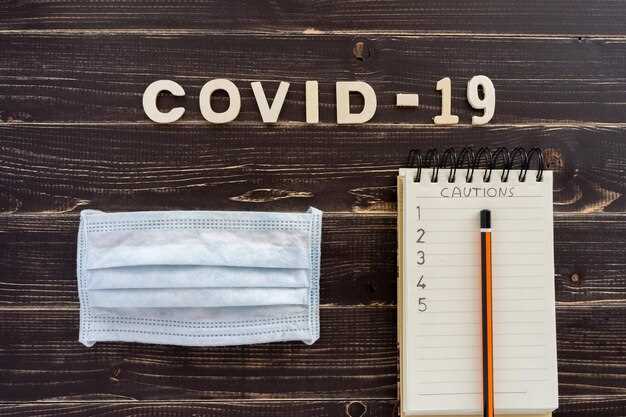
Recommendation: Choose an appropriately fitted respirator (N95/FFP2/KF94) for indoor, crowded, or poorly ventilated environments; in lower-risk settings, a properly worn surgical mask suffices; replace masks when damp, soiled, or damaged to maintain filtration.
Selecting mask types
- N95/FFP2/KF94 respirators: select models with a secure nose clip and sturdy headbands; perform a seal check each time you wear it; look for a tight face seal and minimal leaks; these provide high filtration when worn properly; consider size and comfort to sustain safe wearing over long periods.
- Surgical masks: for routine, low-risk contact or when respirators are not available; choose three-layer designs with a melt-blown polypropylene filter; ensure the mask covers nose and mouth and sits under the chin; avoid masks with exhalation valves.
- Cloth masks: acceptable when higher-grade options are not available; use multi-layer fabrics (at least two layers) and filter inserts if possible; avoid loose fits or valves; wash daily and dry completely before reuse.
- Special healthcare contexts: nursing staff or frontline workers may require elastomeric or disposable respirators in direct-care scenarios; consider supply and expense; use properly in high-exposure tasks; follow facility guidance on reuse or disposal; plan ahead to ensure stock and training; note perspectives from proponents and policy makers; poon highlights access issues.
Proper use
- Wash hands with soap and water or use sanitizer before donning; avoid touching the front of the mask during wear; inspect for damage or moisture and replace as needed.
- Put on the mask to cover nose and mouth; mold the nose bridge and adjust ear loops or headbands to minimize gaps; perform a seal test by exhaling gently through the nose to detect leaks; if you feel air around the edges, readjust or choose a different size.
- Do not reuse disposable masks after exposure to moisture or soiling; in healthcare or high-risk settings, follow guidance on limited reuse or switching to a fresh mask; when reusable cloth masks are used, wash safely after each shift or at least daily.
- Remove by handles or ear loops without touching the front; store in a clean container or breathable bag between uses; practice hand hygiene after removal to prevent contamination.
Contexts where masks influence risk
- Environments: indoor spaces with limited ventilation, high occupancy, or frequent close contact raise the risk of aerosol exposure; masks reduce inhaled dose and emissions when fitted well, particularly in places where air exchange is poor.
- Activity and duration: talking, singing, or exercising in enclosed spaces increases aerosol generation; a properly worn respirator provides greater protection than a surgical mask under the same conditions; keep sessions shorter or improve ventilation to reduce risk overall.
- Diagnostic and surveillance context: diagnostic testing like PCR can be used alongside masking to guide responses; polymerase chain reaction results, antigen tests, and environmental sampling inform risk in january and beyond; use diagnostic data to adjust mask use in various environments.
- Behavioral and policy context: masking acceptance hinges on public understanding; articles and online discussions document greater support among certain groups and the influence of press and commissions; in sept and january updates, authorities outline allowances and limits; proponents advocate continued use where risk remains, balancing steps with expense and access; voices such as poon highlight access issues.
- Populações e contextos: o pessoal de enfermagem e os prestadores de cuidados de saúde beneficiam de máscaras de qualidade superior durante o contacto direto; garantir um abastecimento constante para evitar falhas na proteção; planear atempadamente para garantir o inventário e a formação do pessoal.
- Considerações práticas: o conforto, o ajuste e o cheiro afetam a adesão; se uma máscara causar irritação na pele ou um odor forte, substitua-a e experimente uma opção nova; minimize o uso de EPI sem comprometer a proteção e siga as orientações da instituição para reduzir o desperdício desnecessário e garantir o descarte adequado.
- Política e comunicação: mensagens claras melhoram a adesão; a comissão e as autoridades de saúde publicam artigos e conferências de imprensa para ajudar o público a compreender quando usar máscaras; ler recursos online, considerar a ideia por detrás do uso de máscaras e rever o trabalho de friedrichsen e outros investigadores ao avaliar a eficácia no mundo real.
- Testes e fluxos de trabalho de saúde pública: durante períodos de alta transmissão, as máscaras continuam a ser uma camada fundamental, juntamente com a ventilação e a higiene das mãos; o facto é que nenhuma medida isolada elimina o risco, mas a proteção em camadas reduz consistentemente a exposição; utilize esta abordagem antes de picos de casos para proteger as populações vulneráveis e reduzir a transmissão comunitária, especialmente em ambientes lotados e durante eleições ou grandes ajuntamentos.
Dinâmicas de reinfeção: tempo, declínio da imunidade e estratégias de testagem acionáveis
Recomendação: Implementar testes seriais e direcionados para indivíduos de alto risco dentro de 72 horas após a exposição e novamente nos dias 5 a 7 para detetar reinfeções precocemente e proteger a capacidade clínica. Esta abordagem informada por evidências apoia o isolamento atempado, o rastreamento de contactos e os percursos de cuidados e ajuda o sistema de saúde a responder às exigências emergentes.
O tempo de reinfeção reflete a diminuição da proteção imunitária e a evolução das variantes. Após uma infeção primária, os anticorpos circulantes diminuem ao longo de meses; a proteção contra a doença sintomática diminui, especialmente com estirpes com deriva antigénica. As respostas das células T persistem e podem limitar a doença grave, mas a suscetibilidade à reinfeção permanece, particularmente em indivíduos com infeção prévia e vacinação incompleta ou com condições subjacentes. As disparidades entre grupos raciais e étnicos moldam o perfil de risco remanescente, sublinhando a necessidade de planeamento baseado no risco e de divulgação direcionada.
Especificidades da estratégia de testagem: Testes acionados pelo início dos sintomas ou exposição conhecida. Utilizar PCR para diagnóstico definitivo; aplicar testes rápidos de antigénio para vigilância com testes em série em ambientes de alta exposição. Para contactos próximos, incluir testes em série nos dias 0, 3-5 e 7, sempre que possível, com novo teste imediato se surgirem sintomas. Garantir o abastecimento de testes em clínicas e locais comunitários, e associar os resultados às diretrizes de isolamento e aos critérios de regresso à atividade.
| Aspeto | Cadence | Recommended Action | Notas |
|---|---|---|---|
| Tempo de infeção | Janela de 3 a 6 meses pós-infeção observada com frequência | Monitorizar sinais de reinfeção; ajustar a cadência de testagem conforme necessário. | Ondas variantes deslocam o risco; acompanhar o fardo da doença |
| Dinâmica da imunidade | Os níveis de anticorpos diminuem ao longo dos meses; a memória celular persiste | Promover reforços onde adequado; adaptar a mensagem aos grupos de risco | Informação baseada em evidências, não proteção absoluta |
| Cadência de testes | Janela de exposição mais dias 0-7 pós-exposição | Confirmação por PCR; testes seriais de antigénio para vigilância; testes acionados por sintomas | Garantir o fornecimento; integrar com a orientação de isolamento |
Quadro de decisão: passos a seguir quando surgem sintomas, incluindo orientações sobre testagem e isolamento
Isole-se imediatamente e marque um teste rápido de zaragatoa nasal nas 24 horas seguintes ao início dos sintomas. Se o resultado for positivo, fique em casa durante 5 dias completos e use uma máscara bem ajustada perto de outras pessoas durante mais 5 dias. Se tiver febre, certifique-se de que esta desaparece antes de retomar as suas atividades habituais.
Se o teste for negativo, mas os sintomas persistirem, repita o teste após 24 a 48 horas e considere um PCR confirmatório através do seu portal de saúde ou clínica local. Lembre-se de que os testes rápidos podem não detetar infeções precoces, especialmente com uma carga viral baixa, por isso pondere o conselho de um médico se os sintomas persistirem ou piorarem.
Durante o isolamento, fique num quarto separado, se possível; use uma casa de banho dedicada; ventile os espaços; lave as mãos regularmente; evite partilhar utensílios; limpe diariamente as superfícies de maior contacto. Quando precisar de interagir com outras pessoas, mantenha a distância e use máscara; limite o contacto de longa distância quando tiver sintomas para reduzir o risco e tenha em atenção o seu conforto enquanto descansa e recupera.
Terminar o isolamento após o 5.º dia se estiver sem febre há 24 horas sem medicação para baixar a febre e se os seus sintomas estiverem a melhorar; se os sintomas persistirem, prolongue o isolamento até ao 10.º dia ou de acordo com as orientações locais. Ao retomar as atividades, continue a usar máscara em espaços partilhados interiores durante mais 5 dias e reintroduza gradualmente as tarefas de rotina à medida que for recuperando as forças.
Positivo recorrente: Alguns indivíduos podem testar positivo novamente após a recuperação devido a RNA viral persistente, não a infeção ativa; tratar como potencial infecciosidade de acordo com as orientações locais; realizar outro teste e ter precaução. Se notar sintomas renovados ou um novo resultado positivo, reavalie a exposição e repita o teste conforme aconselhado, uma vez que as decisões podem mudar com novas informações.
Mantenha um resumo do seu plano e recorra a orientações online de fontes credíveis. O repositório ssrn hospeda preprints e autores como Garcia e Ryerson contribuem com ideias sobre comportamento e transmissão; o centro reconhece que as perspetivas interacionistas destacam como a adesão aos testes e as escolhas de isolamento dependem do contexto social e da comunicação fidedigna. Mencione que as fontes encontradas online podem ser pouco claras por vezes, por isso mantenha-se atualizado e escolha orientações que se alinhem com as suas recomendações locais de saúde pública, incluindo redes não estatais que impulsionam o acesso aos testes e passos claros para a ação.