Ia Aplicația


Transport & Logistics Writer
Alexander Petrunin covers freight and logistics markets across Europe, the United States and the CIS — from country guides for Portugal, Spain and France to cross-border trucking and carrier licensing. His articles focus on practical guidance for shippers and carriers: routes, pricing factors and regulation.

Key Functions of Logistics
Logistics is not just about delivering goods; it’s a comprehensive management system that encompasses a multitude of functions. Each one plays a crucial role in ensuring the seamless operation of supply chains. Understanding these essential functions can significantly impact a business's efficiency and overall success. Key Functions of Logistics: Planning : This is the backbone of logistics. It involves identifying needs, selecting delivery methods, and calculating costs. Effective planning ensures that resources are allocated efficiently, which can lead to significant cost savings and improved service levels. Inventory Management : This function focuses on monitoring stock levels,

Logistics and Business: Why It’s Strategically Important?
Logistics is the key to a successful business. Discover how it impacts costs, delivery, and customer satisfaction.

Logistics as a Science: From Theory to Practice
Logistics is not just a set of practical actions; it is a genuine scientific discipline that is actively evolving and improving. Since its inception, logistics has come a long way, encompassing a multitude of theoretical and practical aspects that hold immense significance for businesses.

Logistics: Key Concepts and Principles Everyone Should Know
Logistics is a crucial part of modern business. It manages the movement of goods, services, and information, ensuring an efficient supply chain. Understanding it is essential for companies aiming to stay competitive. Key Concepts of Logistics Supply Chain Management : Covers all production and delivery stages, from raw materials to the consumer. Effective management reduces costs and speeds up service. A well-integrated supply chain keeps operations smooth and efficient. Warehousing : More than storage, warehousing is vital for inventory management. It ensures products are safely stored and well-organized, reducing lead times and improving order fulfillment. Transportation : Choosing the

Freight Transportation: Types and Opportunities on GetTransport.com
Types of Freight Transportation There are several primary types of freight transportation, distinguished by their modes of transport, types of cargo, and delivery conditions. 1. Road Freight Transportation Road freight is one of the most common and convenient methods of delivery. It is suitable for both local and intercity transport. With its flexible routing and the ability to provide "door-to-door" service, road transport is an ideal choice for small and medium-sized shipments. 2. Rail Freight Transportation Rail transport is ideal for moving large volumes of goods over long distances. It is cost-effective and environmentally friendly, making it attractive for companies focused on
What is LTL Freight? A Complete Guide to Less Than Truckload Freight
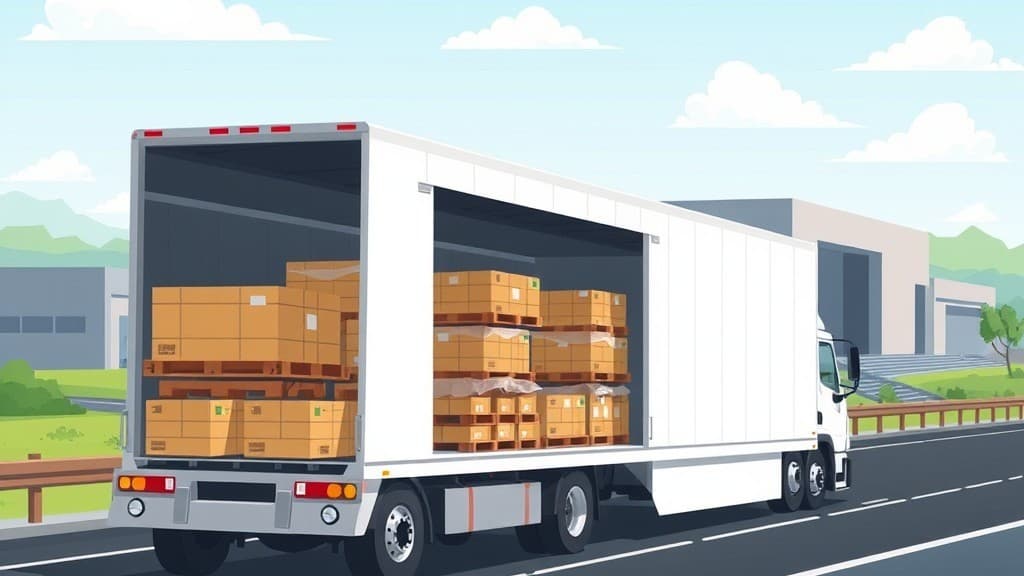
Less than truckload (LTL) freight shipping is a popular choice for businesses that need to move smaller shipments efficiently. Unlike full truckload (FTL) shipping, which requires an entire truck for one shipment, LTL freight consolidates shipments from multiple customers into a single truck. This guide covers the essentials of LTL freight shipping, including its advantages, process, and why it’s ideal for many businesses. What Is LTL Freight? LTL freight refers to "less than truckload" shipping, a method designed for shipments too large for parcel carriers but not requiring the full space of a truck. LTL freight shipping is an economical way for businesses to ship goods as transportation

Overview of Road Freight Transportation Across Different Countries
Road freight transportation is crucial for global trade, facilitating the timely delivery of goods. Understanding how it varies across countries is essential for optimizing supply chains. Here’s a concise overview of key markets. United States: A Backbone of Commerce The U.S. has one of the most extensive road networks globally, with over 4 million miles of highways. The trucking industry transports over 70% of all freight, regulated by the Federal Motor Carrier Safety Administration (FMCSA). While technological advances like electronic logging devices (ELDs) enhance safety, challenges such as driver shortages and rising operational costs remain. European Union: Harmonization Amid Diversity

The Role of Technology: Marketplaces as a Key to Logistics Optimization
Modern technologies are transforming the logistics landscape, providing efficient tools to streamline carrier selection, tariff comparison, and delivery management. Marketplaces are at the forefront of this transformation, addressing the unique challenges faced by shippers and freight forwarders. Challenges in the Logistics Industry The global logistics market is grappling with a range of challenges that demand innovative solutions: Rising transportation volumes: Global trade and e-commerce growth are driving increased demand for logistics services. Supply chain complexities: Geopolitical tensions, pandemic-induced disruptions, and regional nuances add layers of complexity to supply chain
The Critical Role of Accurate Data in Fleet Management
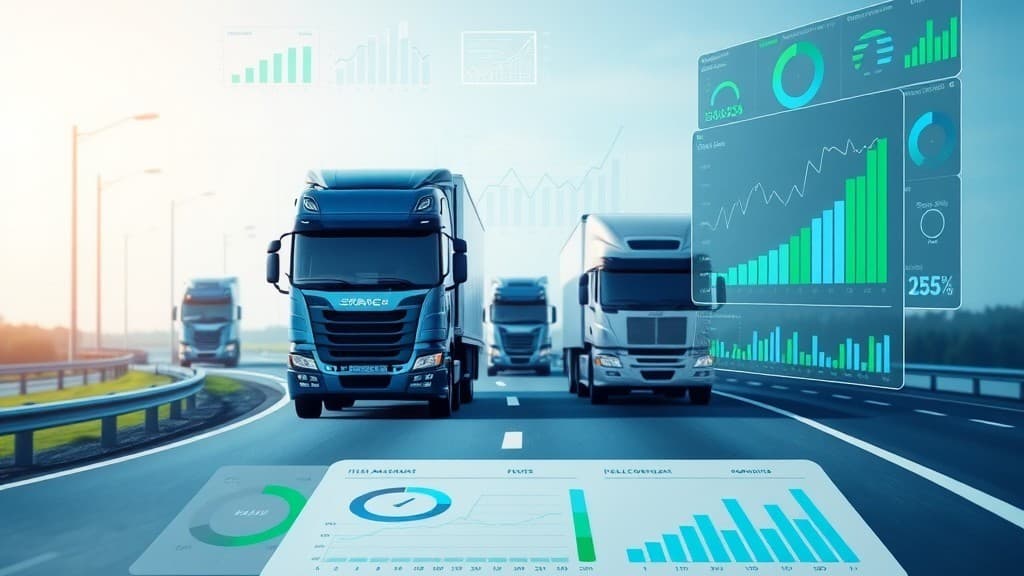
In the world of fleet management, the adage “practice makes perfect” is often misapplied. A more fitting version would be “perfect practice makes perfect,” as flawed execution never leads to success. This principle extends to data management: without accuracy, data cannot effectively contribute to profitability or safety objectives. As industry experts say, “garbage in, garbage out.” Understanding Data's Value Data is integral to every facet of fleet management, from vehicle acquisition and resale to usage metrics, maintenance schedules, driver performance, and fuel efficiency. However, not all data is equally valuable. Fleet managers often find themselves overwhelmed, questioning whether

Top Benefits for Carriers Using Freight Platforms in the EU
European freight platforms connect carriers with shippers across the European Union, offering a centralized digital channel for bookings, tracking, and payments. For carriers, these platforms unlock greater visibility, reduce administrative overhead, and provide scalable access to cross-border shipments. Enhanced load matching and proactive route optimization minimize empty miles and maximize fleet utilization , leading to higher earnings and more reliable service. Transparent pricing and payment terms improve cash flow. Carriers benefit from clearer rates, fewer disputes, and faster settlements through electronic invoicing and digital payments. Compliance with EU rules is easier with

Top Benefits for Carriers Using Freight Platforms in the EU
EU freight platforms connect carriers with shippers across the European Union, delivering real-time load matching , transparent pricing, and streamlined documentation that reduce the friction of traditional brokered models. With access to a broad pool of shipments, carriers can maximize fleet utilization and minimize empty miles. The platform's intelligent matching prioritizes compatible loads by route, vehicle type, and timing, enabling faster confirmation and less downtime between trips. This leads to higher throughput without sacrificing service quality. Payment terms and risk management improve through standardized digital workflows. Carriers benefit from faster, traceable payments,

Key Features Carriers Should Look for in a Freight Marketplace
In a freight marketplace, carriers seek features that reduce downtime and maximize revenue. Real-time load matching that pairs capacity with suitable loads quickly, reliable shipper verification to minimize risk, and clear operating rules that set expectations from the start. Transparency in pricing and performance data is essential. Transparent rate visibility and dynamic pricing signals help carriers compare opportunities and avoid underpayment. A robust rating system provides trustworthy data on shipper reliability and lane profitability. Visibility across a shipment lifecycle matters: real-time ETA updates, disruptions alerts, and live tracking that align with dispatch decisions. Tools
