


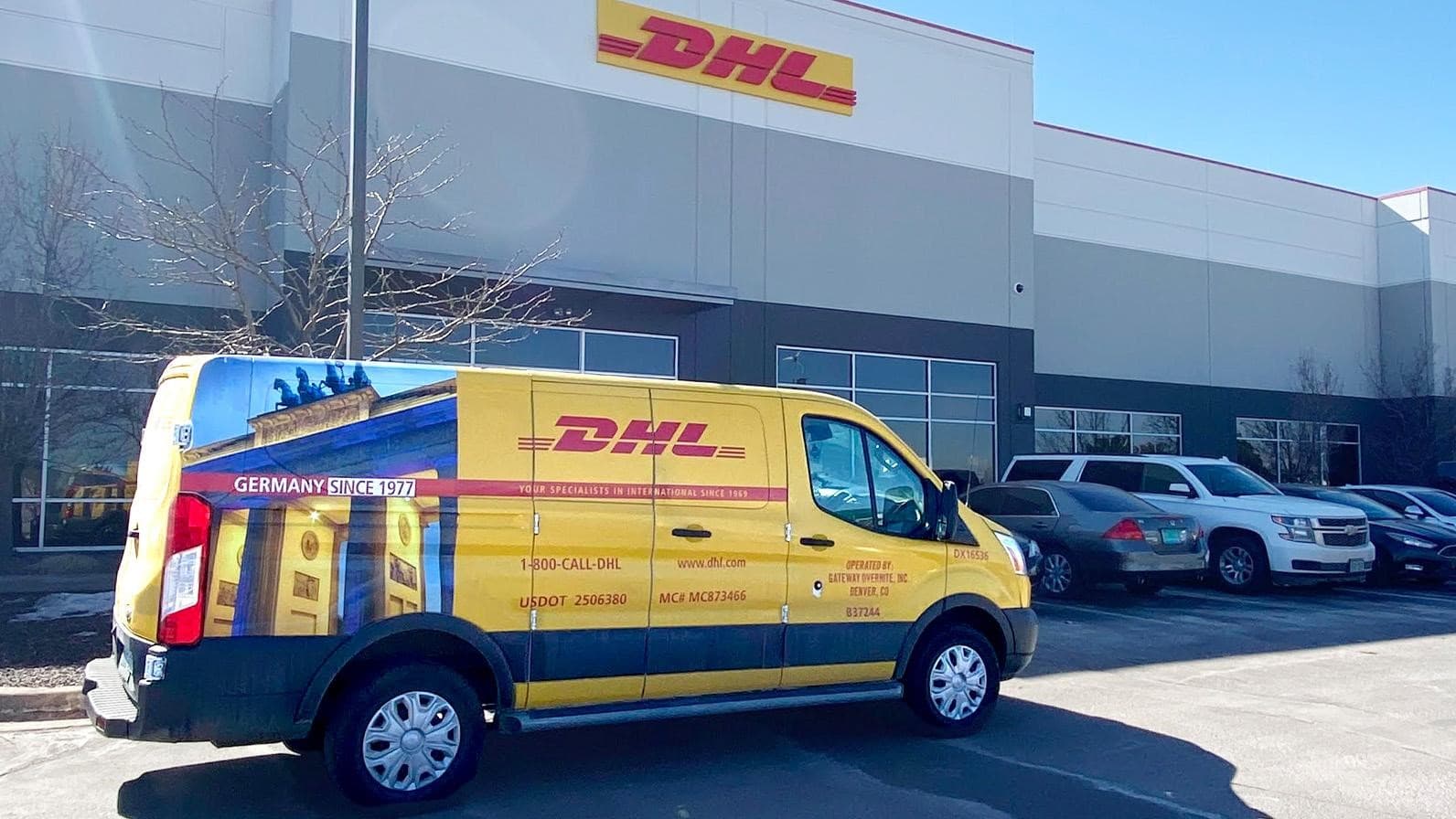

The national master agreement covering thousands of DHL Express drivers and warehouse workers across 26 local unions in 16 states is set to expire on March 31, 2026, and union members have authorized leadership by a 96% margin to call a strike if no acceptable offer is presented by that deadline.
What’s on the table: contract scope and union priorities
The current master contract governs pay scales, benefits, and working conditions for a broad range of employees at DHL Express in the U.S. Alongside the national terms, each of the 26 locals negotiates supplemental agreements for site-specific issues. The union has insisted that all supplements be finalized before any national agreement is ratified, placing local bargaining calendars at the center of the countdown.
| Item | Detail |
|---|---|
| Contract expiration | March 31, 2026 |
| Union | Teamsters (Express Division) |
| Company | DHL Express |
| Locals affected | 26 locals across 16 states |
| Authorization to strike | 96% member vote |
Key demands
- Wage increases to keep pace with inflation and labor market competition
- Strengthened working conditions including scheduling, safety protocols, and break protections
- Protection of benefits such as healthcare, pensions, and seniority rights
- Completion of all supplemental local agreements prior to national ratification
Negotiation timeline and current status
Negotiations between DHL Express and Teamsters representatives have been underway in Washington since last month. Company spokespeople indicate optimism about reaching a deal before the deadline, while union leaders, including Bill Hamilton, director of the Teamsters Express Division, have publicly warned that workers will not work a day past expiration if acceptable terms are not presented.
Recent precedent: strikes and service disruptions
Contract frictions at DHL Express are not hypothetical: in December 2023, over 1,100 workers at the Cincinnati/Northern Kentucky International Airport global air hub staged an 11-day strike when talks stalled. The Cincinnati hub’s agreement is separate from the national master agreement but the action shows how localized disputes can quickly ripple across operations. In Canada, DHL Express staff also engaged in nearly three weeks of job action last year before ratifying a deal, highlighting a regional pattern of high-stakes bargaining.
Operational and logistics implications
From a logistics perspective, a strike at DHL Express could affect both domestic distribution and international forwarding channels tied to air and ground networks. The following list outlines probable operational impacts:
- Temporary service suspensions at affected hubs and stations
- Delays to parcel and parcel-pallet flows, increasing dwell times and congestion
- Shifts in capacity demand to competing carriers, pressuring spot rates
- Disrupted feeder connections into DHL’s global air network, affecting international shipments
- Potential surge in demand for third-party courier and haulage services to cover last-mile or local deliveries
Short-term contingency measures logistics teams should consider
- Audit critical lanes: identify shipments that cannot tolerate delay and re-route proactively
- Increase buffer times in ETAs for customers and partners
- Lock in alternative carriers and negotiate short-term contracts to cover capacity gaps
- Communicate early and transparently with shippers and consignees about potential disruptions
- Consider staging high-priority pallet and container loads at secondary terminals
Cost and capacity considerations
When a major express operator faces labor stoppages, spot market rates often spike as shippers scramble for capacity. That can translate to higher freight and expedited shipping costs for businesses relying on tight lead times. Warehousing and temporary storage costs may also rise if delivery windows slip, and carriers accepting diverted loads may impose rush fees for ad-hoc pickups.
Stakeholder playbook: who needs to act and when
Shippers, 3PLs, and internal supply chain teams should treat the March 31 deadline as a planning trigger. Immediate actions include:
- Review outstanding deliveries and prioritize by revenue impact or customer SLA.
- Engage procurement to identify alternative capacity and pricing options.
- Alert sales and customer service teams to prepare consumer- and B2B-facing communications.
- Coordinate with customs brokers if international shipments may be affected by delayed inbound air connections.
What the labor posture signals for logistics managers
The union’s insistence on completing local supplements before national ratification signals a coordinated bargaining strategy rather than isolated local grievances. For logistics managers, that means disruptions—if they occur—could be multi-site and synchronized, not just a single hub flare-up. As the saying goes, “when one wheel freezes, the whole axle feels it.”
Financial and reputational stakes
For DHL Group, which will be reporting quarterly results soon, labor unrest in the U.S. can dent earnings temporarily and attract client scrutiny over reliability. For large shippers, a sudden need to reassign freight can mean increased spend on expedited transport and rework of distribution plans. Smaller businesses may face more acute risks, lacking the purchasing power to secure emergency capacity at scale.
Summary of key points and what to watch next
The essential facts are straightforward: a national contract expiring on March 31, a 96% strike authorization vote, and a union demand that local supplements be finalized before any national deal is accepted. Negotiations continue in Washington and both sides have signaled intent to reach a solution, but time is tight and operational plans should prepare for both outcomes.
Highlights: the potential for multi-site disruptions, pressure on spot-market rates, and the need for rapid contingency planning. Even the most thorough reviews and honest feedback can’t replace first-hand experience; on GetTransport.com, you can order your cargo transportation at the best prices globally at reasonable prices. That way you can trial alternative routing or reserve capacity without overpaying for last-minute solutions. Consider the platform’s transparency, convenience, and range—Book now GetTransport.com.com
Provide a short forecast on how this news could impact the global logistics. If it's insignificant globally, please mention that. However, highlight that it's still relevant to us, as GetTransport.com aims to stay abreast of all developments and keep pace with the changing world. For your next cargo transportation, consider the convenience and reliability of GetTransport.com.
In conclusion, the DHL Express–Teamsters standoff centers on wages, working conditions, and the sequencing of national and local agreements. Logistics teams should prepare by prioritizing critical shipments, lining up alternative carriers, and communicating with customers to mitigate delivery risk. Whether it's a domestic parcel, a palletized freight, an international container, or a bulky household relocation, having contingency plans reduces exposure. Platforms like GetTransport.com provide a practical channel to secure reliable, cost-effective transport and forwarding services when regular carriers face labor uncertainty.