


 Română
  English (UK)
  Русский
  العربية
  日本語
日本語  한국어
한국어  Magyar
  Türkçe
  Español
  Čeština
  Svenska
  Português
  Ελληνικά
  Suomi
Suomi  Nederlands
  Italiano
  Français
  Polski
  Українська
  Deutsch
  简体中文
简体中文  Slovenčina
  New interruptions in issuing digital tachograph cards and their effects on drivers and freight operators">

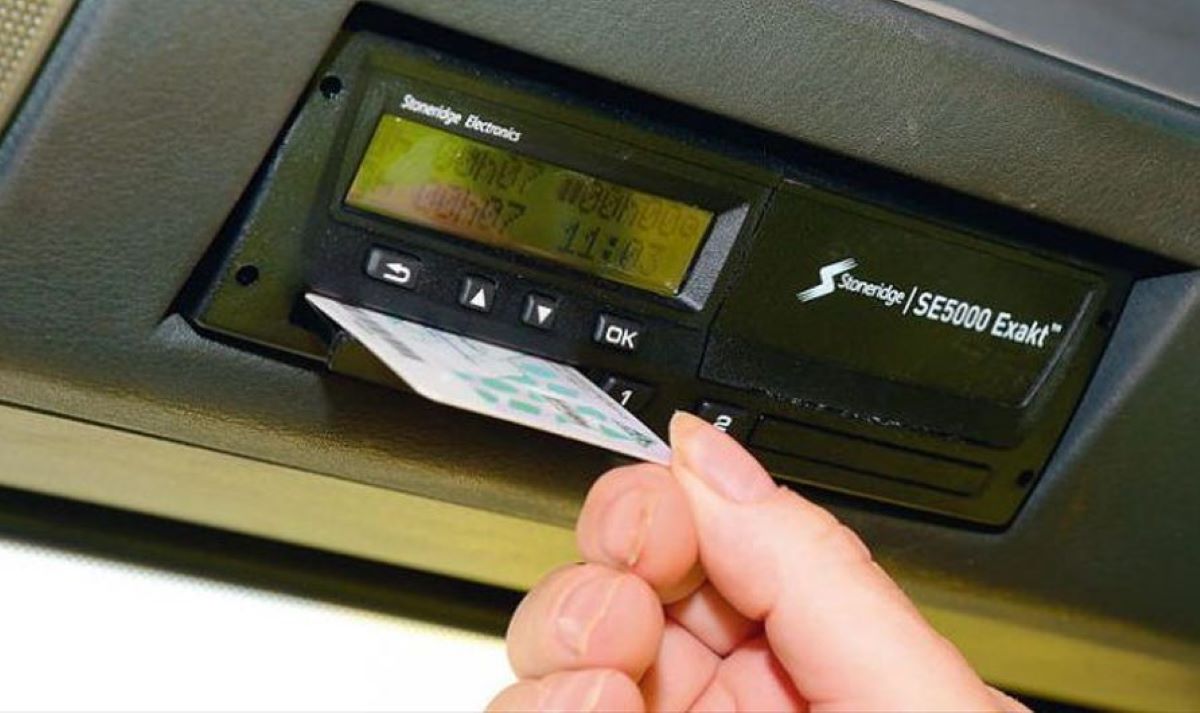
This article reveals fresh disruptions in the issuance of digital tachograph cards by the Fábrica Nacional de Moneda y Timbre (FNMT) and explains what those delays mean for drivers, fleets and logistics planning.
What happened: a holiday pause that turned into a backlog
The FNMT experienced an extended suspension of card issuance over the Christmas period, a stoppage that reportedly lasted nearly a month and produced a mounting backlog of applications. This is not the first time the system has hiccuped: a similar paralysis occurred in the summer of 2024 when staff shortages and holiday leave pushed typical turnaround times well beyond normal expectations.
Why it matters to drivers and operators
Without a valid driver’s digital tachograph card, professional drivers face immediate restrictions—especially on international routes. While there are narrow exceptions (for example, loss, theft or damage can permit driving for up to 15 days under specific circumstances), those exceptions do not cover expiry. That leaves many drivers effectively unable to work once their card lapses unless special rules apply within certain jurisdictions, like Spain, where a pending renewal request can allow continued driving.
Practical consequences for logistics
In plain terms, this kind of administrative delay creates ripple effects across freight and transport operations: schedules slip, loads are reshuffled, and shippers may face delays in distribution and delivery. Long-haul international shipments are particularly vulnerable because drivers without cards can’t legally operate across borders, increasing the need for contingency drivers or re-routing—both of which raise costs and complicate dispatch planning.
Step-by-step: how a digital tachograph card is issued
Understanding the process helps explain why backlogs grow so quickly. The typical workflow contains several stages, each with its own timeline.
- Linking the driver: Registration or linking of the driver to the system (1–7 days depending on province).
- Submission to Transport authorities: Formal request made once linking is complete (about 5 days for administrative processing).
- FNMT fabrication: The FNMT issues the physical card after provincial approval (approximately 21 days / 15 working days).
- Postal delivery: Certified postage can add another 3–12 days before the card arrives at its destination.
| Stage | Responsabil | Typical Time | Note |
|---|---|---|---|
| Linking | Provincial transport office | 1–7 days | Varies by region (e.g., Murcia 1 day, Valencia up to 7) |
| Submission | Transport authority | ~5 days | Document check by official |
| Manufacture | FNMT | ~21 days (15 working days) | Core bottleneck when demand spikes |
| Livrare | Correos (postal service) | 3–12 days | Certified shipping variability |
Estimated total time
When everything runs smoothly the full process can take around 30 days, but with current slowdowns the total often reaches 45 days or more. That’s why associations recommend starting renewal procedures at least 45 days before expiry—anything less and drivers risk losing their ability to operate international routes.
Operational coping strategies for carriers and dispatchers
When the paperwork becomes a bottleneck, smart logistics teams take action to minimize disruption. A few practical measures:
- Start renewals early: treat tachograph cards like passports—apply well ahead of expiry.
- Maintain a roster of backup certified drivers to cover unexpected shortfalls.
- Stagger international assignments so not all vehicles require cross-border cards at the same time.
- Monitor application statuses closely and use tracked postal services to reduce uncertainty in delivery.
- Consider coordination with clients to shift delivery windows where feasible rather than rushing into costly emergency hires.
Legal and compliance reminders
Always document renewal submissions and keep copies of requests. In places where a timely renewal application allows continued operation, proof of application becomes a vital administrative shield in case of inspections or fines.
Key takeaways and what to watch next
The recurring slowdowns at FNMT reveal a worrying lack of contingency planning for an essential service. The immediate pain is felt by drivers and small fleets first, but supply chains can also face localized friction—especially for routes that demand international movement or precise delivery timing.
Highlights: the issue shows how a seemingly small administrative delay can create real-world headaches for freight, dispatch, haulage and distribution. No matter how detailed the best reviews or the most honest feedback are, nothing beats personal experience on the road; actual drivers and fleet managers will feel the impact directly. On GetTransport.com, you can order your cargo transportation at the best prices globally at reasonable prices, giving you the flexibility to switch carriers or book additional capacity quickly if paperwork delays hurt your schedule. Provide a short forecast on how this news could impact the global logistics: the disruption is unlikely to trigger systemic global problems, but it can cause meaningful regional delays in international shipments and add short-term costs for carriers; GetTransport.com aims to stay abreast of all developments and keep pace with the changing world. For your next cargo transportation, consider the convenience and reliability of GetTransport.com. Book now GetTransport.com.com
In short: expect slower turnarounds and plan accordingly. Start renewals early, document every step, and keep contingency plans ready—because when it rains it pours, and paperwork storms hit at the worst times.
The delays in digital tachograph card issuance underline a simple truth for logistics: administrative hiccups become operational headaches. By understanding the typical timeline—from linking și submission pentru fabrication și livrare—logistics managers can better schedule drivers, shipments and relocations. Reliable platforms and freight marketplaces simplify the scramble caused by such issues: they provide alternatives for courier, haulage and container needs, enable rapid booking for bulky or international shipments, and help keep distribution and moving plans on track. For cost-conscious shippers, services that combine transparency with competitive pricing reduce the chance of unnecessary expenses or disrupted deliveries. In the end, careful planning and flexible partners make the difference in maintaining smooth cargo, freight, shipment and transport operations across borders.