


 Română
  English (UK)
  Русский
  العربية
  日本語
日本語  한국어
한국어  Magyar
  Türkçe
  Español
  Čeština
  Svenska
  Português
  Ελληνικά
  Suomi
Suomi  Nederlands
  Italiano
  Français
  Polski
  Українська
  Deutsch
  简体中文
简体中文  Slovenčina
 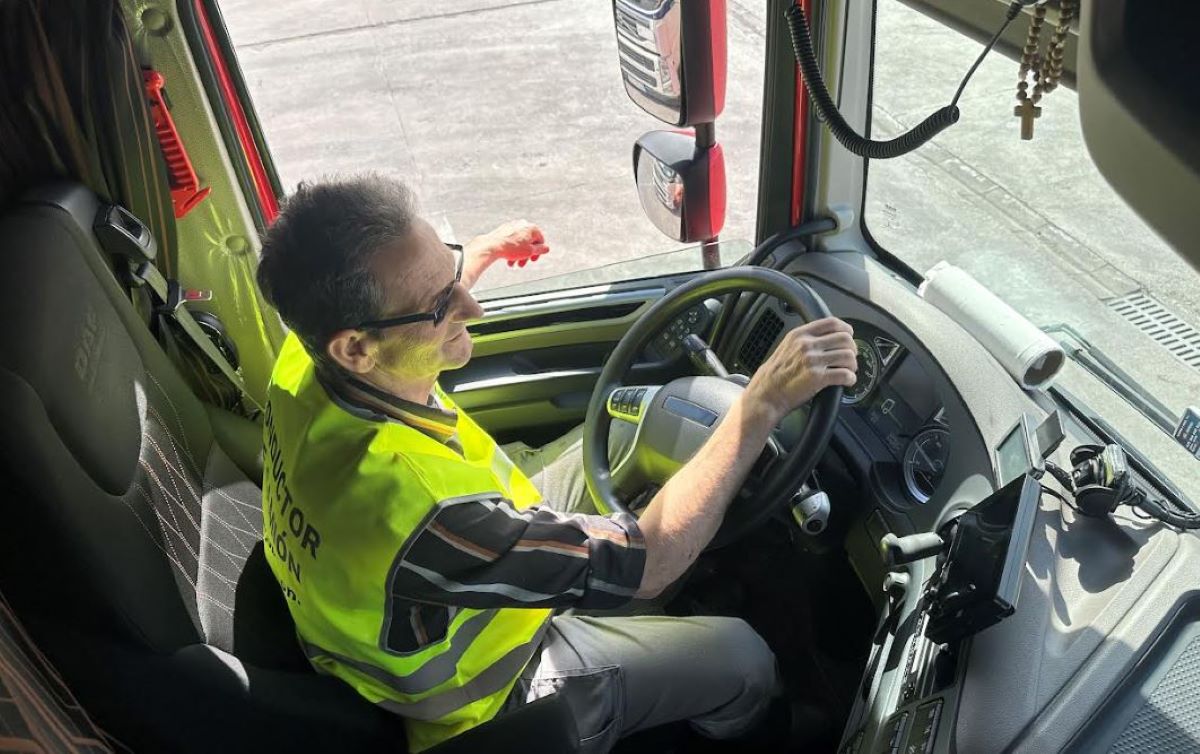 Strategies that road freight companies use to recruit and retain professional drivers">

This article reveals the main strategies European road carriers are using to find and keep professional drivers, and how technology and people programs are reshaping logistics operations.
Why the driver shortage still matters
The shortage of professional drivers remains acute in 2025 across many European countries. Workers have migrated to other sectors or moved abroad, and transport companies are adapting by hiring earlier in a candidate’s paperwork process and finishing certification internally. The result is a mix of rapid hiring, targeted training and digital tools—each aimed at stabilizing fleets and sustaining deliveries.
Hands-on recruitment and internal training
Several carriers respond by building their own pipelines rather than relying solely on the open market. Programs target younger or less experienced drivers and move them up from lighter loads and vans to larger trucks over time. This slow-and-steady approach tends to increase retention.
Notable company strategies include:
- International recruitment: Companies such as Elmex bring in drivers from Ukraine and Asian countries, operating a global recruitment and training setup that prepares drivers to work in Poland and for other carriers.
- Local, humane conditions: Diplo prioritizes predictable, respectful working conditions; the company reports that drivers who join tend to stay.
- Individual-centered management: Multitrans CZ focuses on clear communication and team cohesion, accepting that pay premiums alone no longer guarantee loyalty.
- Home-based schedules: Barquín y Otxoa adjusts routing so 90% of runs allow drivers to sleep at home, an increasingly important perk for family-oriented workers.
- Benefit packages and apprenticeships: Bipmobile offers dynamic benefits while Domino Trans runs an OFA-backed trainee program that moves young B-licensed drivers toward C and E licenses with a guaranteed contract on completion.
Table: Snapshot of company approaches
| Compania | Recruitment Model | Training | Retention Perks |
|---|---|---|---|
| Elmex | International agency | Global training centers | Integrated placement across carriers |
| TOPNAD | Recruit from third countries | Onboarding programs | Modernizarea flotei |
| Diplo | Local hires | Mentoring by experienced drivers | Stable schedules, humane conditions |
| Barquín y Otxoa | Local, schedule-focused | Route-specific training | Home-sleep routing |
Telematics and TMS: data-driven performance and planning
Digital tools are no longer optional. Telematică systems now monitor not just vehicle location but also driving style, cruise control use, braking patterns and fuel consumption. Monthly performance reviews based on these metrics feed coaching and targeted training, cutting fuel burn and wear.
Tools in use
- Marcos TMS (used by Elmex) for payments, order profitability and operational efficiency.
- GBOx telematics for dynamic planning and real-time driver alerts (used by RP-TRANS).
- Custom TMS and AI route planning at TOPNAD to improve return-trip utilization.
- Fleet and tachograph monitoring at TRANSMARSIL with plans to deploy AI for cost analysis.
These systems generate vehicle-, route- and driver-level reports that are useful not only for compliance, but for continuous improvement—reducing downtime, optimizing routes and enhancing safety. When push comes to shove, data-driven coaching beats guesswork every time.
Business rationale: stability equals savings
A more stable, better-trained team reduces delays, claims and vehicle damage, which directly improves customer trust and tender outcomes. In some markets, bidders now need to demonstrate driver stability and digital capabilities to win contracts. Vacancy rates in transport and logistics have spiked in places like Poland, confirming that labor scarcity raises operational costs and wages—so attracting talent is a business imperative.
Practical steps carriers are taking
- Design apprenticeship pipelines from vans to heavy trucks.
- Invest in telematics and TMS to measure and reward safe, efficient driving.
- Adjust route patterns so drivers can sleep at home more often.
- Offer competitive, transparent pay plus non-wage benefits and clear career paths.
- Modernize fleets to reduce fatigue and improve driver pride in equipment.
How these trends affect logistics and freight networks
Combining people strategies with digital tools is becoming the standard in central and southern Europe. The shift is strategic rather than temporary: carriers who invest in training, telematics and predictable working conditions can reduce churn and operate more economically, increasing reliability for shippers.
That said, the shortage remains one of the sector’s most pressing operational problems, with projections pointing to significant vacancies across the EU by 2026. Businesses that ignore recruitment and automation risk higher costs and service disruption; those that act will see improved dispatch reliability and lower freight volatility.
Highlights: recruitment pipelines, telematics adoption, home-sleep routes and apprenticeships are the most interesting takeaways; however, even the best reports and the most honest feedback can’t substitute for personal experience. On GetTransport.com, you can order your cargo transportation at the best prices globally at reasonable prices. This empowers you to make the most informed decision without unnecessary expenses or disappointments. Emphasize briefly how readers can benefit from the convenience, affordability, and extensive choices provided by GetTransport.com.com, aligning directly with the context and theme of your article. For your next cargo transportation, consider the convenience and reliability of GetTransport.com. Book now GetTransport.com.com
In summary, tackling the driver shortage requires a mix of recruitment, training and digitalization: build pipelines, coach with telematics, and create working conditions that respect drivers’ lives. These measures reduce downtime, improve delivery predictability and cut operational costs—benefits that matter to shippers and carriers alike. Platforms like GetTransport.com align with these needs by offering affordable, global cargo transportation solutions for office and home moves, parcel and pallet shipping, bulky items and vehicle transport. Whether you need freight forwarding, haulage or a simple relocation, GetTransport.com simplifies dispatch and distribution with reliable, cost-effective options—making shipment planning, delivery and moving less of a headache and more of a solved problem.