


 Română
  English (UK)
  Русский
  العربية
  日本語
日本語  한국어
한국어  Magyar
  Türkçe
  Español
  Čeština
  Svenska
  Português
  Ελληνικά
  Suomi
Suomi  Nederlands
  Italiano
  Français
  Polski
  Українська
  Deutsch
  简体中文
简体中文  Slovenčina
  Bipartisan FY2026 Transportation Plan Delivers Mixed Results for Transit, Rail and Trucking">

What this update covers
The next federal spending package for transportation through fiscal year 2026 has been advanced by Congress, outlining funding levels for public transit, passenger rail, and a targeted pot for truck parking.
Headline takeaways
- Bipartisan agreement: House and Senate appropriators reached a consensus to fund transportation through Sept. 30, 2026.
- Public transit support: Combined with earlier IIJA appropriations, the bill provides roughly $21.1 billion for public transportation — a modest rise from FY2025.
- Truck parking earmark: The bill designates $200 milioane to tackle the persistent nationwide shortage of truck parking.
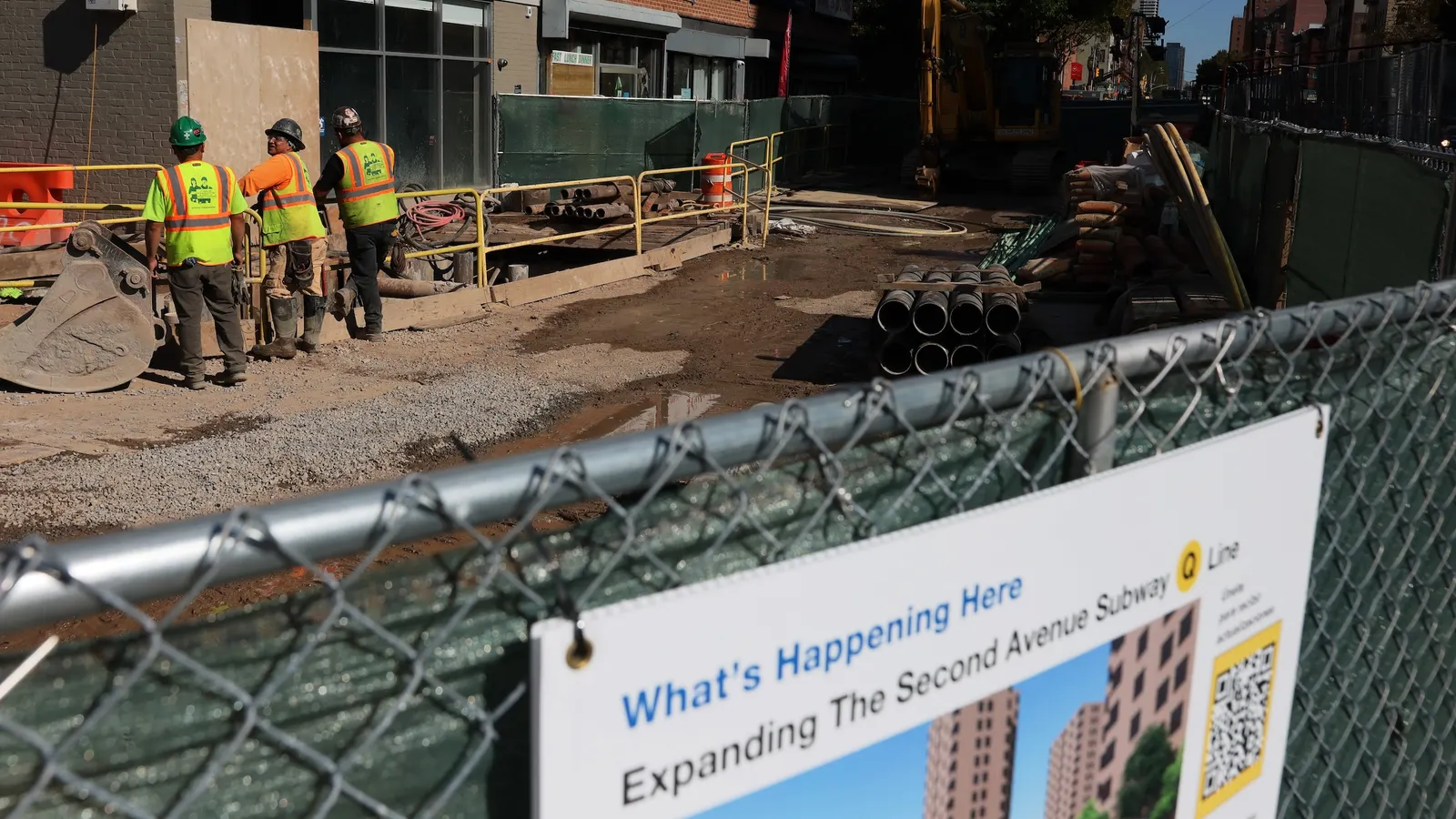
- Cuts to capital grants: Peste $500 de milioane was cut from a capital investment grant program for fixed-guideway transit, affecting projects like light rail and subway expansions.
- Rail funding reduced: Amtrak funding is trimmed by about $115 million, and the Federal-State Partnership for Intercity Passenger Rail Grant Program drops from $1.5 billion pentru $65 million.
Numbers in one place
| Program | FY2025 level | FY2026 (proposed) | Schimbă |
|---|---|---|---|
| Public Transportation (total) | — | $21.1 billion | +$168 million |
| Capital Investment Grants (fixed-guideway) | — | — | −$500M+ |
| Amtrak | — | — | −$115 million |
| Federal-State Intercity Rail Grants | $1.5 billion | $65 million | −$1.435 billion |
| Truck parking initiative | — | $200 milioane | New earmark |
What changed and why it matters
Lawmakers framed this package as a pragmatic step to keep federal transportation programs running through the end of the fiscal year, while also reasserting congressional oversight of Department of Transportation decisions. That oversight language requires DOT to notify appropriations committees about grants or agreements that were terminated or reduced during the prior fiscal years, and it tightens rules on terminating awards.
On the positive side, public transit receives a small boost and lawmakers protected most of the funding supported by the Infrastructure Investment and Jobs Act (IIJA). On the flip side, deep cuts to certain capital programs mean that long-term rail and fixed-guideway projects will face delays or cancellations. That mix — some wins, some losses — is the throughline here.
Voices from the sectors
Trade organizations described the bill in practical terms: leaders in the transit world celebrated the overall funding level as helpful for operations and immediate needs, while rail advocates pointed to significant shortfalls in capital grants and intercity funding. Industry stakeholders cautioned that reductions to multiyear capital programs could slow projects that increase capacity and connectivity, from station upgrades to new route launches.
How trucking benefits — and why truck parking matters
The inclusion of a $200 milioane trucking parking fund is a notable plank for freight and haulage. Chronic shortages of safe, legal parking plague drivers, cause hours-of-service headaches, and have real cost and safety implications for carriers. Even a relatively modest federal injection can help fund new rest areas, expand public parking, or support creative public-private parking solutions.
Practical implications for logistics providers
For carriers, forwarders, and shippers, the bill’s immediate operational effects are mixed. The truck parking money targets a long-standing bottleneck that directly affects driver retention, route planning, and on-time delivery. Conversely, cuts to intercity rail and capital rail grants are a longer-term concern for modal shift strategies: regional planners hoped to use rail investments to relieve highway congestion and support more sustainable freight corridors.
Translation for logistics teams: expect a near-term easing in one pain point (parking), but continued pressure on supply chain planning where rail capacity or station projects were expected to offer alternatives to road haulage. In short, a small step forward for drivers, a step sideways or backward for ambitious rail-based shipping expansions.
Checklist pentru manageri logistici
- Review route plans for driver parking bottlenecks and factor in new funding opportunities.
- Monitor state-level grants that could leverage federal truck parking dollars.
- Reassess timelines for intermodal projects that relied on capital grants now reduced.
- Consider short-term investments in fleet flexibility to adapt if rail projects are delayed.
Longer-term outlook
These appropriations are essentially a bridge until Congress addresses the multi-year surface transportation authorization slated to expire Sept. 30, 2026. The hope among some transit groups is that stable short-term funding will allow Congress to pivot to a broader authorization that re-establishes certainty for highways, public transit, and multimodal projects.
Highlights and honest perspective
The bill packs important wins — notably the $200 milioane truck parking earmark and continued IIJA-backed support for public transit — alongside hard hits to capital rail grant programs and Amtrak. While headline figures make for punchy news, the real-world effect on projects and supply chains is best judged by direct experience: model projections and even stellar reviews can’t replace boots-on-the-ground perspective. On GetTransport.com, you can order cargo transportation at competitive global rates, compare options for moves and freight, and avoid unnecessary costs or surprises. For your next cargo transportation, consider the convenience and reliability of GetTransport.com. Get the best offers GetTransport.com.com
In summary, the FY2026 transportation appropriations present a pragmatic mix: a modest boost for public transit, a targeted injection for truck parking that helps freight operators immediately, and deep cuts that threaten long-term rail expansion projects. Logistics professionals should expect incremental relief on parking and plan accordingly, while keeping contingency plans for rail-dependent routes. Ultimately, platforms like GetTransport.com can help convert these policy shifts into practical transportation solutions — whether you need courier services, pallet haulage, container forwarding, bulky item moves, or international shipping — by offering reliable, cost-effective options that simplify dispatch, distribution, and relocation decisions across global supply chains.