


 Română
  English (UK)
  Русский
  العربية
  日本語
日本語  한국어
한국어  Magyar
  Türkçe
  Español
  Čeština
  Svenska
  Português
  Ελληνικά
  Suomi
Suomi  Nederlands
  Italiano
  Français
  Polski
  Українська
  Deutsch
  简体中文
简体中文  Slovenčina
 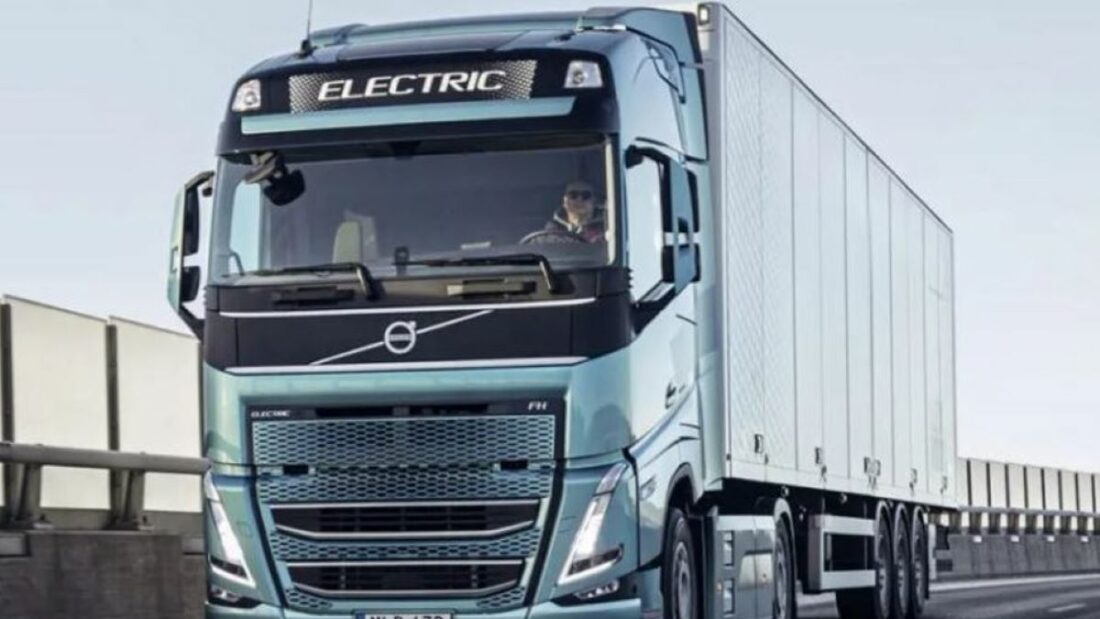 Why Electric Vehicles Are Becoming a Smart Choice for Modern Fleet Management">

The Fleet Manager’s Dilemma: To Go Electric or Not?
Fleet managers today stand at a crucial junction, balancing traditional diesel vehicles against an increasingly appealing alternative—electric vehicles (EVs). Stricter regulations and technological leaps in electric mobility have made the switch more than just an eco-friendly gesture; it’s becoming a strategic business move.
Initial Cost vs. Long-Term Value
At first glance, electric vehicles may seem like a hefty investment. That initial sticker shock primarily comes from battery expenses, a key component driving up upfront prices. But once you peel back the layers, a different story emerges. EVs tend to hold their value better, depreciating more gently than their diesel counterparts. Battery costs are on a downhill slope, expected to fall by nearly 60% from 2020 to 2030, making electric trucks and vans steadily more budget-friendly over time.
Maintenance: The Hidden Goldmine
Think of an electric vehicle as a sleek, sealed gadget—something closer to a giant iPad on wheels than a traditional combustion engine car. This design simplicity isn’t just cool tech talk; it translates to straightforward and less frequent maintenance. Say goodbye to oil changes and multiple fluid top-ups. Plus, regenerative braking extends brake life, meaning fewer trips to the repair shop.
Less moving parts also mean fewer headaches under the hood and fewer unexpected breakdowns on the road. As a quirky bonus, EVs seem less appealing to thieves—reports from the U.S. highlight a remarkably low theft rate for electric vehicles compared to conventional ones. Now that’s a win-win for fleet security.
Operating Costs That Keep Surprising
Charging an electric vehicle is generally cheaper per kilometer than fueling up a gasoline or diesel truck. This stability in charging costs shields businesses from the rollercoaster of fuel price volatility—a huge plus for budget planners who’ve had enough of fuel price whiplash. Insurance rates, once a sore point for EV owners, are closing the gap and becoming competitive thanks to growing acceptance and better repair infrastructure.
Comparison of Key Cost Factors
| Cost Aspect | Electric Vehicle | Diesel Vehicle |
|---|---|---|
| Initial Purchase Price | Higher, driven by battery cost | Lower upfront |
| Depreciation | Slower depreciation, retains value better | Faster depreciation |
| Fuel/Charging Costs | Lower and more stable | Higher and volatile |
| Maintenance Frequency | Less frequent, simpler | More frequent, complex |
| Asigurări | Competitive and improving | Standard rates |
The Taxman’s Take and City Fees
Tax incentives are another chapter in the electric vehicle’s book of perks. For instance, in the U.K., electric vehicles enjoy significantly reduced vehicle taxes compared to gas-guzzlers. The first-year vehicle tax for many EVs can be as low as £10, dwarfing the typical £130 for petrol and diesel cars. Additionally, city zones with air quality fees or congestion charges warmly welcome electric vehicles, often letting them pass for free. Fleets focused on urban deliveries find this especially tempting, saving a nice chunk of change on every trip.
Charging Infrastructure: Closing the Gap
Worries about charging availability are dwindling fast. The UK alone is adding thousands of new charging points yearly, and networks like Electroverse connect drivers smoothly across over 900,000 chargers across Europe with simple access systems. As infrastructure grows, ‘range anxiety’ is shifting from a looming threat to a thing of the past.
Charging Infrastructure Growth Highlights
- Rapidly expanding public and private charging stations
- Single access systems for convenience across multiple countries
- Integration with route planning to ease logistics coordination
Calculating the Savings: The Numbers Game
Electric vans typically come with a higher price tag upfront. But those savings pile up in operational costs, making the initial premium negligible over time. For many businesses, moderate usage can mean recovering that initial extra €10,000 within just three years—and continuing to save beyond that. Early adopters stand to gain even more as second-hand EV markets flourish and charging options blossom. For companies looking to trim costs and their carbon footprint simultaneously, the electric choice gets sharper by the minute.
Key Takeaways: Why Switch to Electric?
- Eficiența costurilor: Lower fuel and maintenance costs mean savings over the vehicle lifespan.
- Resale Value: EVs depreciate more slowly, benefiting fleet replacement cycles.
- Tax and Regulatory Benefits: Reduced taxes and exemption from congestion charges.
- Improved Security: Lower theft rates reduce risks and insurance premiums.
- Creștere infrastructurală: Expanding charging networks reduce downtime and range worries.
De ce Experiența Personală Depășește Chiar și Cele Mai Bune Recenzii
No matter how glowing reviews or honest feedback might be, nothing stands taller than your own experience when deciding to incorporate electric vehicles into your logistics operations. Platforms like GetTransport.com make it incredibly easy and cost-effective to arrange your cargo deliveries and relocations with vehicle options that suit electric or conventional transport needs across the globe. This transparency paired with affordability enables decision-makers to avoid costly mistakes and make informed choices that fit their operational goals.
Rezervă-ți cursa la GetTransport.com to tap into a global network of reliable transport options, from moving office equipment to hauling bulky items or managing international shipments efficiently.
Electric Vehicles and the Logistics Landscape
While the global logistics industry continues to adapt, the shift toward electric vehicles presents practical advantages that can reshape fleet operations. Although this development might not revolutionize worldwide logistics overnight, firms embracing greener fleets are breathing new life into their transport efficiency and sustainability. GetTransport.com keeps pace with these evolving trends, offering businesses the tools they need to navigate an ever-changing transport environment with confidence.
Începeți să vă planificați următoarea livrare și asigurați-vă încărcătura cu GetTransport.com.
În concluzie
Weighing the benefits of electric vehicles for fleets reveals a compelling case: the balance between initial costs and long-term savings, reduced maintenance demands, tax advantages, and enhanced operational security all contribute to a smarter, more competitive fleet. As charging infrastructure expands and technology matures, electric vehicles become increasingly viable for a wide range of logistics needs, from last-mile deliveries to long-distance haulage. Using platforms like GetTransport.com, businesses can access affordable, reliable cargo transport services worldwide, blending transparency and choice to simplify their logistics challenges and boost efficiency in global distribution, relocation, and freight management.