


 Română
  English (UK)
  Русский
  العربية
  日本語
日本語  한국어
한국어  Magyar
  Türkçe
  Español
  Čeština
  Svenska
  Português
  Ελληνικά
  Suomi
Suomi  Nederlands
  Italiano
  Français
  Polski
  Українська
  Deutsch
  简体中文
简体中文  Slovenčina
 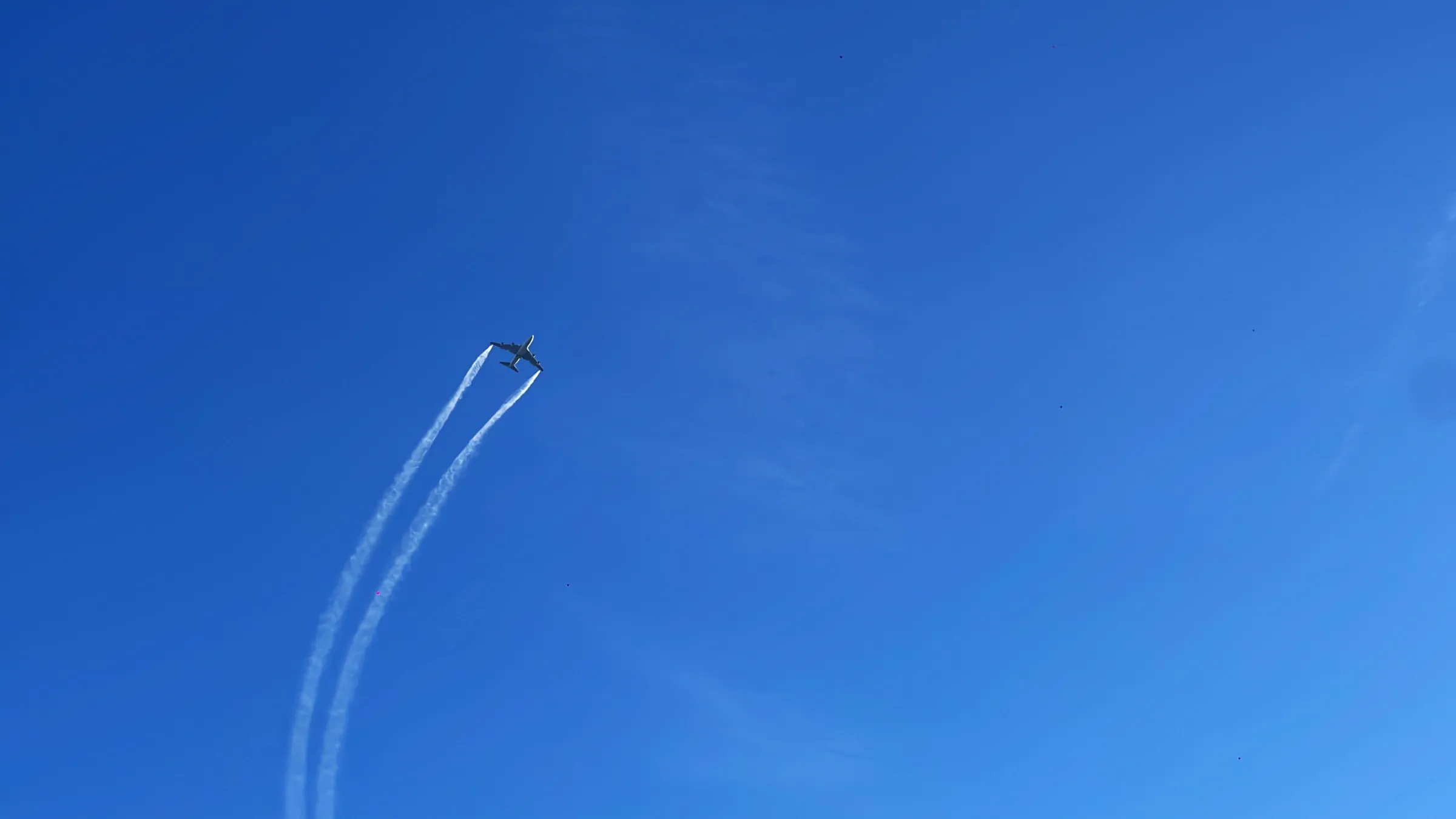 Cargo Flight Near Liège Airport Performs Emergency Fuel Dump Before a Safe Landing">

The Unexpected Descent: What Happened Near Liège Airport?
This process, known as fuel dumping, is a safety maneuver designed to lighten the plane’s weight because the maximum permissible weight for landing is significantly less than that for takeoff. Activating nozzles on the wings, the aircraft releases fuel to shed excess weight, where most of it vaporizes mid-air. It is far from a routine event and usually reserved for urgent scenarios where immediate landing is necessary to protect the aircraft and those on board.
Fuel Dumping: Procedure and Safety Considerations
Normally, fuel dumping takes place over the Marea Nordului at altitudes exceeding 3,000 meters to minimize environmental and public impact. However, when safety constraints arise, pilots may have to adjust the dumping location, carefully avoiding densely populated towns and villages wherever possible.
All such operations are closely coordinated with air traffic control to maintain safe distances from other aircraft. Airlines also must notify aviation authorities following any such incidents, ensuring a transparent and regulated response.
| Aspect | Detalii |
|---|---|
| Aeronavă | Challenge Airlines Boeing 747 |
| Incident. | Landing gear malfunction prompted fuel dump |
| Dumping Location | Towns near Liège Airport – selected for safety |
| Normal Dumping Zone | High altitude over North Sea |
| Purpose of Dump | Reduce landing weight for safe touchdown |
Why Do Planes Need to Dump Fuel?
Although it might sound counterintuitive to toss valuable fuel into the air, pilots rely on this procedure when safety risks outweigh environmental concerns. According to Skeyes, the organization managing Belgian airspace, fuel dumping becomes necessary if a plane’s performance dips — due to engine troubles or when forced to land prematurely — creating the need to reduce the total weight immediately.
Fuel dump events are rare and only enacted when an aircraft’s safety is at stake. Pilots execute this with precision, guided by regulations to avoid populated areas and minimize any harm, but some disruption to communities beneath flight paths is sometimes unavoidable.
Potential Impact on Nearby Communities
Local authorities as well as municipal officials from places like Crisnée are tasked with investigating the environmental footprint left behind post dumping. If pollution is suspected, further analysis assures that necessary mitigation can take place. Still, most of the dumped fuel evaporates before reaching the ground, limiting contamination risks.
Air Logistics and Safety: Balancing Efficiency and Risk
Events such as this highlight critical moments when air cargo transportation intersects with safety demands and environmental considerations. Cargo planes, like the Boeing 747 used here, play an invaluable role in global logistics, moving everything from perishable goods to industrial equipment. Ensuring those planes operate safely—even if it means taking extraordinary measures like emergency fuel dumps—is essential for uninterrupted global freight chains.
Logistics platforms such as GetTransport.com thrive on the dependability and safety of air freight movements. Knowing that airlines and airports adhere to strict protocols provides businesses and consumers confidence that goods will reach their destination securely and on schedule.
Fuel Dumping Facts and Figures
- Rare but essential: Fuel dumps happen only in emergencies to protect aircraft integrity.
- Controlled by pilots and ATC: Pilots decide when necessary, always coordinating with air traffic control.
- Environmental caution: Preferably conducted over open seas and at high altitudes for vaporization.
- Conformitate cu reglementările: Airlines report all incidents, and authorities monitor any environmental impact.
Table: Protocol Summary for Emergency Fuel Dumping
| Step | Descriere |
|---|---|
| Detection | Pilot identifies emergency, such as landing gear problem or engine failure |
| Coordonare | Contact with air traffic control to determine safe dumping route |
| Execuție | Activate fuel dump nozzles at approved altitude and location |
| Landing | Land at permissible weight to prevent structural damage or runway overshoot |
| Post-incident | Notifications and environmental investigations as required |
The Human Element: Why Experience Still Trumps Reviews
As fascinating as these fuel dumping procedures and emergency landings are, nothing beats firsthand experience for truly understanding the complexities of air freight and logistics safety. Reading detailed reports or feedback only goes so far, especially in high-stakes scenarios like emergency aircraft landings.
For businesses and individuals seeking reliable cargo transport, platforms like GetTransport.com offer a crystal-clear advantage. With access to global offers, competitive pricing, and comprehensive service options—from moving office equipment or bulky furniture to international freight shipments—users can confidently select solutions tailored to their needs without second guessing.
The platform’s transparency and ease of use mean less hassle and more time focusing on what really matters: getting shipments where they need to be, safely and on time. Book now and experience firsthand the convenience and efficiency that logistics demands—no surprises, just solid service on your side. GetTransport.com
Perspectiva de ansamblu: Ce înseamnă asta pentru logistica globală
While an emergency fuel dump near Liège Airport might seem like a localized incident, it echoes a larger truth about air cargo operations worldwide—safety protocols are non-negotiable and sometimes costly steps in ensuring the integrity of shipments and the health of the aviation infrastructure.
Such events, although infrequent, highlight the delicate balance between operational readiness and environmental responsibility. For logistics providers and cargo customers, understanding these safety measures reassures that their goods travel via airlines committed not only to speed and efficiency but also to decisive safety actions when needed.
Although this particular case is geographically limited, the lessons resonate globally. Staying ahead in the logistics game demands vigilance and adaptability. GetTransport.com embodies this commitment by offering flexible, affordable, and reliable freight solutions that adapt to the evolving aviation landscape.
Rezumat
In summary, the emergency fuel dump and subsequent safe landing of a Challenge Airlines Boeing 747 near Liège Airport remind us of the complexities behind cargo aviation safety. Fuel dumping, while rare, remains a critical tool for ensuring planes can land safely after technical issues such as landing gear failures. Strict safety procedures, air traffic control coordination, and environmental precautions govern this process.
For logistics professionals and cargo customers, understanding these operations is vital since they directly impact shipment scheduling, operational costs, and environmental considerations. Platforms like GetTransport.com offer invaluable support by providing seamless access to efficient cargo transport services worldwide. Whether moving bulky goods, delicate parcels, or full container loads, their transparent and cost-effective approach aligns perfectly with the dynamic demands of global freight and forwarding industries.