


 Română
  English (UK)
  Русский
  العربية
  日本語
日本語  한국어
한국어  Magyar
  Türkçe
  Español
  Čeština
  Svenska
  Português
  Ελληνικά
  Suomi
Suomi  Nederlands
  Italiano
  Français
  Polski
  Українська
  Deutsch
  简体中文
简体中文  Slovenčina
 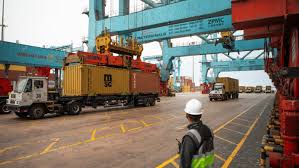 Anticipating Changes in Shipping Demand for 2026 After an Exceptional Year in Global Trade">

Record Highs in Global Trade Set the Stage
The global trade landscape is gearing up for a remarkable milestone in 2025, with projections indicating that worldwide trade will exceed US$35 trillion, marking the highest level ever recorded. This surge, representing around a 7% growth over the previous year, is fueled by significant increases in both goods and services sectors—goods trade climbing by approximately US$1.5 trillion, while services add around US$750 billion, nearly 9% growth.
This explosive expansion isn’t evenly spread across all regions or sectors; East Asia, Africa, and flourishing South–South trade corridors are taking center stage in driving these explosive cargo flows. Intra-regional trade in East Asia alone is climbing by 10%, with Africa enjoying noticeable import and export surges that encourage a rethinking of traditional global shipping routes.
Shifting Dynamics: Shorter Routes Gain Ground
These emerging regional trade hubs are reshaping the global shipping map. There’s a visible tilt toward shorter-haul, intra-regional networks rather than the classic long-haul intercontinental routes. However, longer routes aren’t entirely out of the picture. Agricultural shipments and manufacturing exports like iron and steel—up by a striking 40% in recent quarters—continue to support sustained volume on many long-distance trade lanes.
Table 1: Key Growth Drivers in 2025 Cargo Flows
| Regiunea | Trade Growth | Key Sectors |
|---|---|---|
| Asia de Est | +10% intra-regional trade | Manufacturing, electronics, steel |
| Africa | Broad import/export gains | Agriculture, raw materials |
| South-South Corridors | Growing trade links | Commodities, manufactured goods |
A Slowdown on the Horizon for Late 2025
Despite this bullish performance, late 2025 reveals signs of a market cooling off. Growth in goods trade slowed to 1.8% in Q3 from a more robust 3.6% in Q2, with Q4 expected to hold barely above half a percent. Services growth is following a similar trend, easing down to a forecasted 2.2% by year-end.
This deceleration reflects a subtle but significant change: whereas inflation in trade values had propped up revenues, the current trend is increasingly volume-driven rather than price-driven. For shipping companies, this spells less wiggle room in terms of freight rates, especially with commodities like mineral fuels experiencing declines that chip away at tonne–mile demand precisely when global fleet capacities are expanding.
Chart 1: Quarterly Growth Rates in Goods and Services (2025)
| Trimestru | Goods Growth (%) | Services Growth (%) |
|---|---|---|
| Q2 | 3.6 | 4.9 |
| Q3 | 1.8 | 4.0 |
| Q4 (Forecast) | 0.6 | 2.2 |
Entering a Transitional 2026
Looking toward the upcoming year, expectations point to a softer trade environment. Several factors — including slower overall economic growth, mounting debt burdens, increased costs of trade, and lingering uncertainties — are expected to dampen the momentum from 2025.
The year 2026 is poised for redistribution rather than collapse. Shipping demand is forecast to shift more favorably toward emerging manufacturing routes, especially involving developing economies in South-South and East-West corridors. Operators who position themselves strategically on these routes may find opportunity amid a more fragmented trade landscape.
Key Forces Shaping 2026 Shipping Demand
- Economic slowdown impacting volume and value
- Rising trade costs reshaping logistic choices
- Geopolitical shifts altering traditional shipping lanes
- Resilience of developing economies driving demand redistribution
China’s Role Remains Central but Changing
China continues to be a powerhouse in global trade, having posted a massive goods surplus of close to US$1.1 trillion through the first 11 months of 2025 — the highest level for any year on record. While some quarters have seen slight softening, overall export figures are climbing, supported by stronger performance in November after a brief contraction in October.
However, there’s a notable shift in export destinations. Shipments to the United States have plummeted by nearly 29% year on year, marking the eighth straight month of double-digit decline. Meanwhile, China is rerouting exports towards Southeast Asia, Africa, Latin America, and the European Union, reflecting a diversification strategy that could have lasting effects on shipping routes and cargo demand globally.
Meanwhile, commodity-specific trends show growth in Chinese steel product exports by 6.1%, while oil product exports are down 3.3%. Imports like bauxite and alumina are surging by 30%, with increases in iron ore, soybeans, sugar, and crude oil, even as grains, oil products, LNG, and coal sectors experience double-digit drops.
Table 2: Notable Export and Import Changes in China (2025)
| Categorie | Schimbare (%) |
|---|---|
| Steel product exports | +6.1 |
| Oil product exports | -3.3 |
| Bauxite and alumina imports | +30.0 |
| Grain imports (corn, wheat, etc.) | Double-digit decline |
Implicații pentru sectoarele de logistică éi transport maritim
With the winds of global trade shifting, logistics players must stay nimble. The move towards shorter, intra-regional routes suggests greater demand for flexible, efficient distribution networks capable of handling a variety of cargo types including bulk, containerized shipments, and pallets. Meanwhile, the redistribution of demand presents both challenges and opportunities for fleet managers, forwarders, and freight brokers alike.
Those who maintain a keen eye on emerging manufacturing hubs and adjust their transport naval şi transport terestru de mărfuri capacities accordingly will find themselves ahead of the curve. Similarly, the pressures of slowing growth and rising costs highlight the importance of cost-effectiveness and strategic routing in cargo transport.
How GetTransport.com Supports Efficient Global Shipping
Platforms like GetTransport.com play a pivotal role in this evolving landscape, offering affordable and versatile cargo transportation solutions worldwide. Whether it’s moving household goods, large vehicles, or bulky freight, their service’s global reach and flexibility allow customers to adapt swiftly to changing logistics demands.
The Bottom Line: A Market in Transition with Opportunities Ahead
Global trade is set to close 2025 at an unprecedented peak, yet the signs point to a more nuanced and redistributed shipping demand in 2026. The spotlight shifts to emerging routes, with traditional powerhouses recalibrating their trade flows. As with any shipment, the true story unfolds only once boots hit the ground — no amount of analytics can replace firsthand experience.
On GetTransport.com, users can explore extensive shipping options at competitive rates, enabling them to make informed choices without overspending or encountering unexpected hassles. With its broad range of transport services, from office and home relocation to heavy and oversized cargo shipments, the platform offers a transparent and hassle-free booking experience. Book now at GetTransport.com to tap into reliable and cost-effective logistics solutions during these shifting times.
Looking Ahead: What This Means for Global Logistics
While the anticipated redistribution of shipping demand in 2026 might not rock the global logistics boat on a massive scale, it remains highly relevant. The evolving trade flows compel freight operators and logistics providers to stay sharp, agile, and prepared for shifting cargo patterns. GetTransport.com is committed to keeping pace with these global developments, ensuring its customers benefit from the latest trends and competitive transportation options. Start planning your next delivery and secure your cargo with GetTransport.com.
Rezumat
In summary, 2025 has been a banner year for global trade, setting records with a surge in both goods and services shipment. Yet, the landscape is evolving as we move into 2026, marked by slower growth and a redistribution of shipping demand toward emerging trade routes, especially within developing economies. China’s shifting export patterns further underscore these changes, compelling logistics providers to rethink routes and strategies.
For freight and cargo transport, this means increased focus on regional networks, cost-efficiency, and adaptability. Services like GetTransport.com provide practical, accessible solutions tailored for this dynamic environment, facilitating international and domestic shipments of parcels, pallets, bulky items, and even vehicle transportation with ease and reliability. Whether relocating an office, delivering cargo, or managing large freight, the platform simplifies logistics, helping users navigate the complexities of global shipping with confidence and affordability.