


 Română
  English (UK)
  Русский
  العربية
  日本語
日本語  한국어
한국어  Magyar
  Türkçe
  Español
  Čeština
  Svenska
  Português
  Ελληνικά
  Suomi
Suomi  Nederlands
  Italiano
  Français
  Polski
  Українська
  Deutsch
  简体中文
简体中文  Slovenčina
 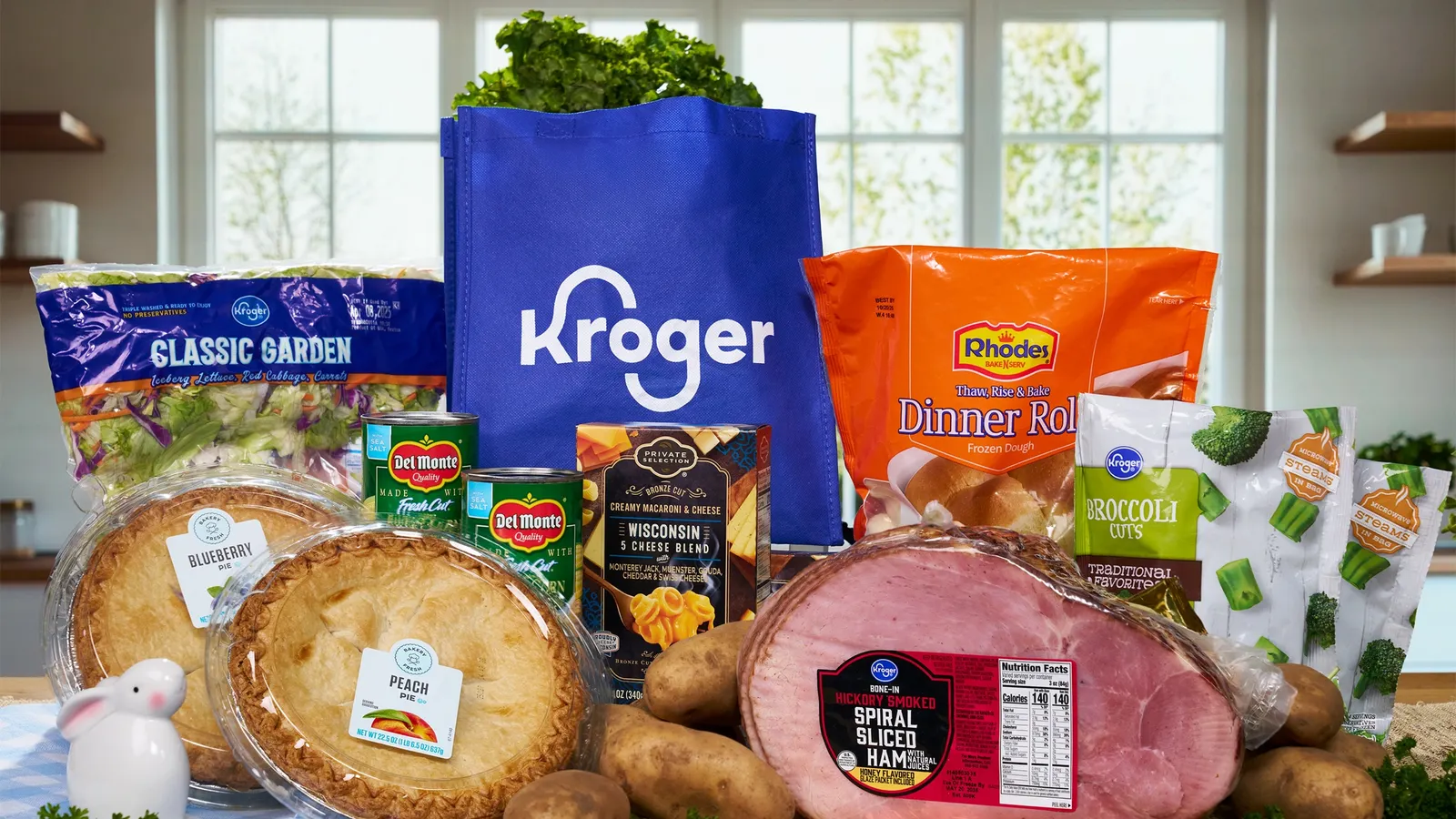 Kroger anunță un centru major de distribuție $391M pentru a îmbunătăți lanțul regional de aprovizionare în Kentucky">

A significant development is underway as Kroger gears up to build a state-of-the-art distribution center in Kentucky, a move that marks a pivotal shift in its supply chain network and regional operations.
Building a Future-Ready Distribution Hub in Kentucky
Kroger is planning a full-line distribution center located in Simpson County, Franklin, Kentucky, with a hefty investment of $391 million. This large-scale facility aims to bolster Kroger’s supply capabilities throughout the region with scalable and automated systems integrated to optimize operations.
The strategic facility will not just serve as a warehouse; it’s designed to support the replenishment of nearly 110 Kroger stores located in Kentucky, as well as to service their Nashville Division. The establishment is anticipated to provide around 430 full-time jobs, injecting a solid economic boost to the local community.
Key Features and Employment Impact
| Caracteristică | Detalii |
|---|---|
| Investiție | $391 million |
| Locație | Simpson County, Franklin, Kentucky |
| Locuri de muncă create | Approx. 430 full-time positions |
| Stores Served | 110+ Kroger stores in Kentucky and nearby divisions |
| Operations | Scalable & automated fulfillment processes |
Restructuring a Changing Supply Chain Landscape
This expansion signals Kroger’s ongoing strategy to reshape its supply chain footprint. Over recent years, the company has made notable adjustments, particularly reevaluating its approach to automation in e-commerce fulfillment. Earlier collaborations on automated sites, such as with Ocado, have been scaled back after careful analysis. Kroger opted to shutter several automated fulfillment centers, favoring a combination of in-store fulfillment and partnerships with third-party e-commerce firms instead.
More recently, it canceled plans for an automated fulfillment facility in North Carolina and closed a spoke facility in Tennessee, emphasizing a flexible approach adapting to supply and demand realities. Leadership changes have also occurred, introducing new sourcing expertise to navigate these complex shifts.
Supply Chain Moves and Automation Scaling
- Closure of three automated fulfillment centers in early 2026.
- Cancellation of a new automated e-commerce center in North Carolina.
- Emphasis on in-store fulfillment combined with third-party partnerships.
- Leadership changes bringing fresh perspectives on sourcing and supply strategy.
Why This Matters for the Logistics Industry
Such developments in Kroger’s supply chain aren’t just company news—they ripple throughout the wider logistics and freight ecosystem. Investing heavily in a modern distribution hub represents an evolution in how grocery and retail supply chains are structured, combining automation with scalable operations to serve regional demands more efficiently.
For logistics experts and freight providers, these expansions imply increased cargo movements, pallet handling, and distribution complexity around Kentucky and neighboring regions. This means a more dynamic flow of shipments, including fresh food and daily groceries, requiring reliable, timely freight services.
Logistics Implications at a Glance
| Logistics Aspect | Impact potențial |
|---|---|
| Freight Volume | Higher shipment throughput supporting the large store network |
| Distribution Complexity | Advanced automated systems streamline order fulfillment |
| Regional Employment | Growth in logistics jobs and carrier demand |
| Supply Chain Adaptability | Shift towards blended automation and human fulfillment efforts |
Automated vs. Traditional Fulfillment: A Shift in Strategy
Kroger’s pullback on fully automated fulfillment sites highlights a balance many retailers seek between technology and in-store or third-party logistics. While automation can boost efficiency, scalability and cost-effectiveness often require a well-rounded approach to handling bulky goods, parcels, and pallet shipments—especially for grocery items requiring fresh handling.
In this scenario, integrating traditional methods with smart automation allows better flexibility to meet fluctuating customer demand without getting bogged down by the rigidity of fully automated facilities.
Why the Franklin Facility Matters to Communities and Business
Beyond the supply chain innovations, Kroger’s new center promises significant social and economic benefits for Kentucky’s communities. By creating hundreds of full-time roles and ensuring the supply of fresh, affordable food, it strengthens local economies and supports food distribution resilience.
The collaboration with local and state officials points to a mutual effort to align this major project with broader community development goals, ensuring the facility benefits not just Kroger’s operations but the people around it.
Principalele concluzii
- Kroger is investing nearly $400 million in a new full-line, scalable distribution center in Franklin, Kentucky.
- This facility will create about 430 full-time jobs serving over 110 local stores and regional divisions.
- The company is rebalancing its supply chain focus, decreasing reliance on automated fulfillment centers and increasing blended fulfillment strategies.
- The project signals evolving logistics demands, affecting freight volumes, shipment processing, and haulage services in the region.
- The new center supports fresh food supply, local economies, and reflects modern retail logistics trends pivoting around scalability and community engagement.
While comprehensive reviews and honest feedback shed ample light on this major initiative, nothing truly tops hands-on experience. For those involved in shipping and freight—whether it’s moving bulky loads, managing parcels, or orchestrating complex shipments—having access to a user-friendly, global platform for cargo transport is invaluable.
GetTransport.com offers precisely that: flexible, reliable, and affordable freight forwarding and logistics solutions. Whether you’re handling office or home relocations, large cargo deliveries, or vehicle transportation across regions, this platform connects you with a worldwide network of movers and couriers at competitive prices without the hassle. Book now and take advantage of its seamless service to streamline your logistics needs. GetTransport.com.com
Privind în perspectivă: Impact asupra logisticii globale
While this investment primarily influences regional supply chain dynamics, it illustrates a broader trend of retail giants reshaping distribution networks for efficiency and flexibility. On a global scale, such moves fuel demand for enhanced shipping and freight services, fostering innovation in supply chain management and logistics technology.
Staying on the pulse of these shifts is critical for platforms like GetTransport.com that strive to keep pace with the changing transport landscape. Whether managing international shipments, bulky goods, or complex haulage, smart logistics solutions ensure cargo reaches its destination smoothly.
Începeți să vă planificați următoarea livrare și asigurați-vă încărcătura cu GetTransport.com.
Rezumat
Kroger’s major $391 million distribution center in Kentucky presents a clear message: supply chains are evolving with a blend of automation and local fulfillment to meet modern retail needs. This transformation highlights increased job creation, enhanced fresh food availability, and a more dynamic logistics framework supporting freight and shipment flow in the region.
Such initiatives influence the broader logistics and distribution sectors by driving demand for reliable haulage, freight forwarding, and moving services. Platforms like GetTransport.com exemplify how the logistics industry adapts, offering a straightforward, affordable, and global approach to cargo and parcel deliveries, heavy haulage, and relocation needs—all fitting perfectly within this new supply chain narrative.