


 Română
  English (UK)
  Русский
  العربية
  日本語
日本語  한국어
한국어  Magyar
  Türkçe
  Español
  Čeština
  Svenska
  Português
  Ελληνικά
  Suomi
Suomi  Nederlands
  Italiano
  Français
  Polski
  Українська
  Deutsch
  简体中文
简体中文  Slovenčina
 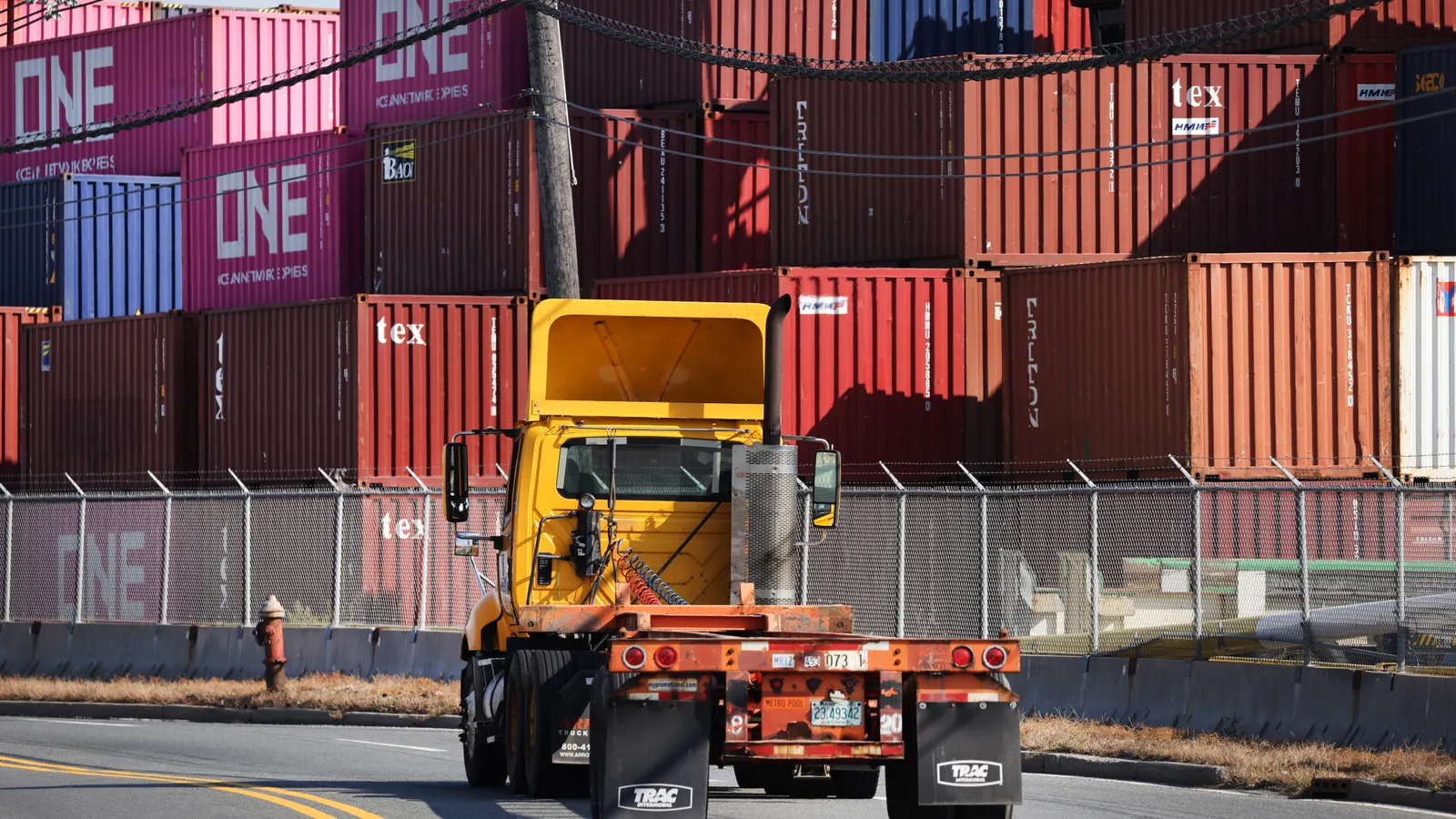 Flattened Manufacturing Growth in August 2025 Reflects Tariff-Induced Hesitation">

Overview of August Manufacturing Trends
August saw U.S. manufacturing activity hold steady compared to the previous month, but not without underlying turbulence. Despite new orders ticking upward, production took a noticeable dip, signaling that businesses remain cautious amid ongoing tariff uncertainties. The Institute for Supply Management’s (ISM) Purchasing Managers’ Index (PMI) painted a picture of an industry waiting for clearer signals before making bold moves.
Key PMI Metrics in Focus
| Indicator | August 2025 Value (%) | Change from July (%) | Implication |
|---|---|---|---|
| Overall Manufacturing PMI | 48.7 | +0.7 | Below 50 indicates contraction; slight month-over-month improvement |
| Production Index | 47.8 | -3.6 | Production fell, eroding new orders’ positive impact |
| Comenzi noi | 51.4 | +4.3 | First expansion in six months, hinting at some demand pickup |
Tariff Concerns: The Elephant in the Room
Many manufacturers are navigating a fog of uncertainty, with tariffs looming large as a “worrisome issue.” A hefty 89% of surveyed industry participants cite tariffs as a pressing concern, influencing decisions across hiring and production strategies.
The hesitation stems from not knowing if tariffs will stick, change, or be overturned. This “waiting game” affects pricing strategies—should companies swallow the costs, pass them on, or face shrinking margins? Decisions are tricky when a Supreme Court ruling potentially looms ahead, further complicating the landscape.
Employment trends reveal that firms are not aggressively replacing departed workers, and some are consolidating operations. As a result, this drags production down and keeps many supply chains on edge.
Demand and Inventory Dynamics
Although new orders have expanded for the first time in half a year, other demand indicators aren’t as rosy. New export orders, order backlogs, and customer inventory levels remain contracted, setting a cautious tone across the board. However, there is a silver lining in inventory behavior as customers are expected to reorder eventually, indicating potential for an upswing if tariff issues stabilize.
Contrasting Global Perspectives: ISM vs. S&P Global
While ISM signals contraction, S&P Global’s manufacturing PMI reported growth with a score of 53% in August, a solid 3.2-point rise from July. This is attributed to increased new orders and inventory buildup, reflecting concerns over future price hikes and supply constraints prompting stockpiling.
Factories report rising warehouse holdings, which paints a picture of protective logistics planning as businesses brace for inflationary pressures and supply chain challenges ahead.
De ce acest lucru este important pentru logistică
Manufacturing lulls and tariff unpredictability send ripple effects across transport and freight sectors. When production dips, shipment volumes can shrink, complicating dispatch schedules and freight management. Conversely, inventory building pushes warehousing and distribution logistics into overdrive, demanding flexibility from haulers and forwarders alike.
For logistics providers, understanding these subtle shifts is crucial. Being nimble is the name of the game—whether that means adapting routes, scaling capacity, or adjusting to cargo demand fluctuations. Platforms like GetTransport.com offer a powerful resource here, connecting shippers to cost-effective, global freight solutions that cover everything from office moves to bulky item deliveries, keeping freight flowing smoothly no matter the manufacturing climate.
Manufacturers’ Outlook and Employment Challenges
Most manufacturers remain in a holding pattern, awaiting definitive tariff resolutions before ramping up production or hiring. The current environment has tilted heavily towards conservative operational models, leaning on existing workforce rather than expanding it. This caution slows the gears of freight movement but acts as a shield against overstretching amid uncertain policy terrain.
Snapshot of Main Challenges
- Tariff uncertainty disrupting pricing and planning
- Production decline despite rising order intake
- Contracted export orders and backlogs signaling cautious buyers
- Employment stagnation with less hiring to replace attrition
- Inventory rebuilding indicating logistical shifts
Summary of the Impact on Industry and Logistics
The manufacturing sector in August shows a mixed bag: a glimmer of strength in new orders shadowed by declining production and persistent worries about tariffs. These murky waters stall full-scale growth but hint that industries are bracing for change rather than retreating outright. For logistics, this means a dance between handling potentially lighter freight volumes and accommodating inventory surges.
The balance of cautious optimism and contraction will require freight, shipping, and distribution providers to stay agile and informed. Efficient movers and couriers who can adapt to shifting cargo loads and schedules will be the ones that stay ahead of the game.
Making Sense of Data: Reviews vs. Real Experience
It’s one thing to rely on glowing reports or honest feedback, but nothing replaces firsthand experience. Since every shipment and cargo request holds its unique quirks, choosing reliable logistics partners who offer transparency and adaptability is key to sidestepping headaches and wasted costs.
GetTransport.com shines by offering a global platform where customers can secure competitive pricing for their freight and shipment needs, whether moving a parcel across town or arranging international haulage of bulky items like vehicles or furniture. The convenience, affordability, and variety that GetTransport.com delivers empower users to make savvy transportation choices without breaking the bank.
Rezervă-ți cursa, GetTransport.com
Privind spre viitor: Efecte asupra logisticii globale
Deși această încetinire a producției, legată de incertitudinea tarifară, s-ar putea să nu fie o schimbare radicală la nivel global, este cu siguranță un semnal important pentru planificarea logistică regională. Lecțiile de aici sunt universale: flexibilitatea și previziunea în operațiunile de transport maritim pot face sau distruge reziliența lanțului de aprovizionare.
La GetTransport.com, a rămâne înaintea acestor schimbări este primordial—asigurându-se că clienții pot adapta rapid la circumstanțe în schimbare și pot menține fluxuri de marfă fără probleme. Începeți să vă planificați următoarea livrare și asigurați-vă încărcătura cu GetTransport.com.
Gânduri finale
Rezultatele activității de producție din august 2025 vorbesc de fapt despre starea de spirit precaută care pătrunde în sector. Creșterile comenzilor noi arată scântei ale cererii care revine, dar producția în scădere și incertitudinile legate de tarife servesc drept obstacole pe drumul către creștere. Ocuparea forței de muncă rămâne conservatoare, iar comportamentul stocurilor sugerează că firmele se pregătesc pentru potențiale șocuri ale lanțului de aprovizionare sau modificări de preț.
Această delicate echilibru impactează logistica la nivel mondial—afectând volumele de expediere, necesitățile depozitelor și dispecerizarea transporturilor. Pe măsură ce companiile navighează în aceste ape, alinierea cu furnizori de logistică de încredere și adaptabili, precum GetTransport.com, poate face călătoria mai lină. Oferind soluții fără probleme pentru transportul de mărfuri, mutări, relocări și transporturi voluminoase la nivel global la prețuri competitive, platforma este pregătită să răspundă eficient și accesibil cerințelor variate de transport.