


 Română
  English (UK)
  Русский
  العربية
  日本語
日本語  한국어
한국어  Magyar
  Türkçe
  Español
  Čeština
  Svenska
  Português
  Ελληνικά
  Suomi
Suomi  Nederlands
  Italiano
  Français
  Polski
  Українська
  Deutsch
  简体中文
简体中文  Slovenčina
 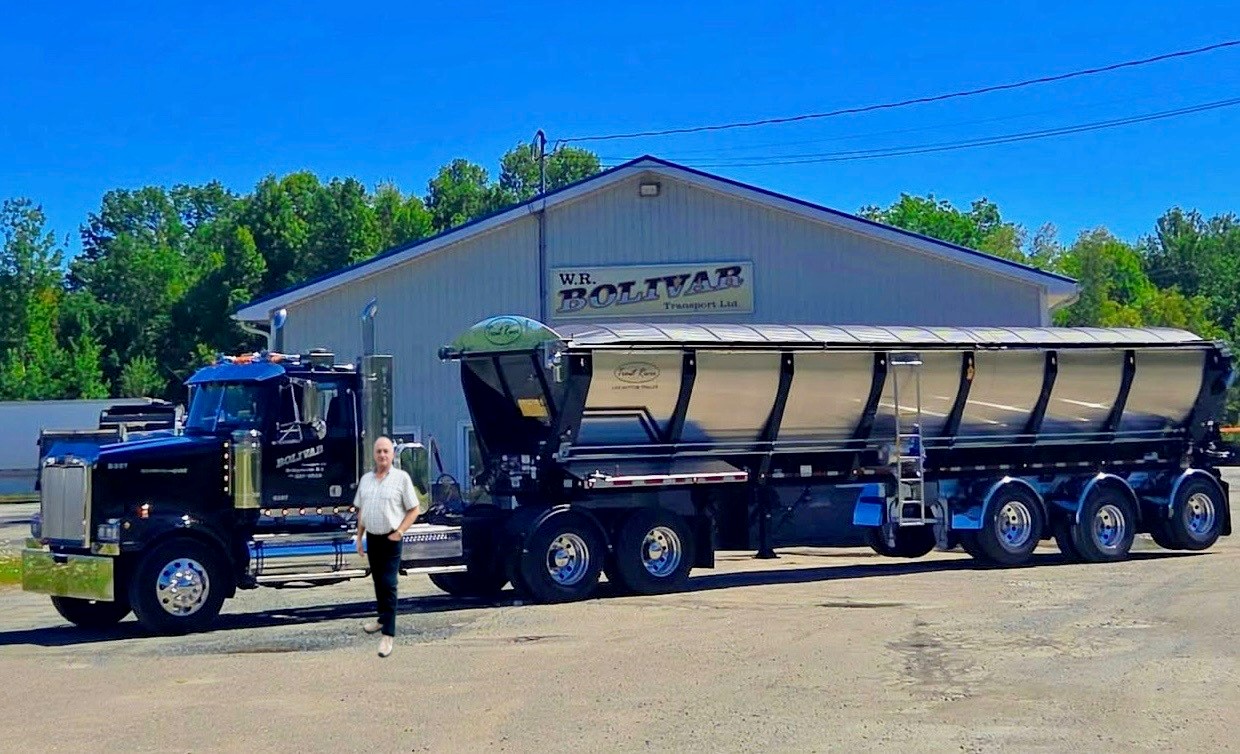 Camionagiii din Nova Scotia se confruntă cu provocări pe măsură ce regula contractului 80/20 se încheie în 2025">

Breaking Down the Shift in Nova Scotia’s Trucking Agreements
The recent move by the Nova Scotia government to terminate the long-standing 80/20 trucking agreement has stirred significant concern among local freight operators and related service providers. This policy, set to end by the close of 2025, requires that at least 80% of trucks employed on provincial road-building contracts be supplied by local businesses at government-regulated rates, while the remaining 20% can be brought in by the contractor from outside.
For decades, this arrangement has formed a backbone for small and medium-sized trucking firms in the province, ensuring steady work and supporting local economies. Its removal, therefore, signals a sharp change in the logistics and freight moving landscape.
Local Owners Fear for Business Survival
Owners like Wayne Bolivar, who runs a fleet of 12 trucks and employs 20 people, are faced with the daunting prospect of a marketplace where every operator might be tempted to cut side deals to secure contracts. The worry? A survival-of-the-fittest scenario that favors large firms, squeezing out smaller, family-run businesses.
Bolivar’s fears represent those of roughly 1,500 truck drivers and hundreds more in associated sectors like mechanics, service providers, and suppliers. If local freights lose guaranteed work, the ripple effects could be widespread, impacting livelihoods across the province.
The Historical 80/20 Rule and Its Role
The 80/20 agreement isn’t new. It was established back in 1994 by the Truckers Association of Nova Scotia (TANS), an organization comprising 475 members ranging from single truck owners to large fleet operators specializing mainly in hauling aggregate and asphalt.
This model has long ensured that local trucks handle a majority share, thus preserving jobs and stabilizing rates under government oversight. In essence, it gave local operators a reliable slice of the pie in public road contracts.
Political and Industry Responses
The decision to scrap this deal stems partly from government efforts pushing for a more market-driven approach in line with broader trade facilitation policies. The government anticipates shifting to a purely market-based model for trucking services starting with Capital Highway contracts in 2026.
This pivot was met with calls from political figures like interim Liberal leader Derek Mombourquette and industry leaders urging a rethink and cautioning about the risk to local jobs and businesses, especially during uncertain economic periods.
Industry Groups Speak Out
- TANS President Doug Faulkner criticized the explanation citing free trade as insufficient, noting that the majority of its members rarely haul outside the county, underscoring the local nature of the business.
- Concerns were raised about the lack of consultation with trucking groups and political representatives before the announcement, disrupting the trust between the government and stakeholders.
- Safety is also on the line; local operators, bound by stringent safety checks, fear that a price war could lead to neglected maintenance and potentially hazardous conditions on the roads.
Potential Impact on Logistics and Freight Operations
The elimination of the 80/20 rule can be expected to reshape freight transport logistics in Nova Scotia. Local trucking companies that rely heavily on steady government contracts may find themselves squeezed by larger external firms willing to undercut rates.
This shift could lead to a more competitive but unstable freight market where sustainability becomes a challenge for smaller players—a concern for supply chain consistency and local economic resilience alike.
Table: Comparison of 80/20 Rule vs. Market-Based Model
| Aspect | Under 80/20 Model | Under Market-Based Model |
|---|---|---|
| Percentage of Local Truck Use | Minimum 80% | Determined by market demand |
| Rate Setting | Government-regulated rates | Competitive market rates |
| Market Entry | Restricted for external operators | Open to all operators |
| Job Stability for Locals | Înaltă | Variable, potentially reduced |
| Safety Assurance | Closer industry oversight | Concerns over cost-cutting impacting safety |
Weighing the Safety and Operational Concerns
One of the less overt but vital consequences relates to road safety. The tight-knit association of local fleets often ensures well-maintained vehicles and drivers who adhere to safety standards. Under a more fragmented, cut-throat market scenario, there’s a tangible risk that maintenance could become a cost center to slash rather than a priority, raising hazards for both drivers and the public.
Voices of Caution from Industry Veterans
Associates like Doug Faulkner admit the emotional and operational challenge of focusing on jobs amidst regulatory shake-ups. Such changes test the industry’s resilience and adaptability, especially when consultation appears lacking.
Choosing the Right Path Forward in Freight Logistics
While policy changes hold the promise of increased competition and potentially more dynamic pricing, the flipside remains the survival of smaller trucking firms critical to local economies. Logistics chains thrive on stability and reliability, where well-supported local fleets can offer prompt, trusted services for freight, cargo, and bulky goods.
Cum ajută platformele precum GetTransport.com
In an evolving landscape, tools that help shippers and businesses find affordable, reliable transport serve as a lighthouse. GetTransport.com helps bridge the gap by offering a versatile platform catering to various needs — from office and home relocations to oversized cargo and vehicle transportation — all while connecting customers with competitive freight options worldwide.
De ce Experiența Personală Contează Cel Mai Mult
În ciuda recenziilor amănunțite și a feedback-ului din industrie, nimic nu înlocuiește experiența directă în navigarea unor schimbări logistice atât de complexe. Cu GetTransport.com, poți rezerva transportul de marfă la rate-uri globale competitive, împuternicindu-vă să alegeți soluții inteligente fără a cheltui prea mult sau a suferi dezamăgiri.
Transparența și comoditatea sa vă oferă liniște sufletească, fie că gestionați livrări locale sau transporturi internaționale. Rețeaua vastă a platformei oferă acces la numeroase opțiuni de transport, asigurând transport și distribuție fiabile, care se potrivesc bugetului și programului dumneavoastră. Obțineți cele mai bune oferte pe GetTransport.com.
Perspective viitoare: Implicații pentru logistica globală și locală
Deși impactul direct al modificării politicii din Nova Scotia ar putea fi limitat pe scena globală a logisticii, acesta evidențiază modul în care schimbările regionale în reglementări pot avea un efect de undă prin lanțurile de aprovizionare și piețele de transport. La GetTransport.com, menținerea în ton cu astfel de schimbări asigură un sprijin continuu pentru clienții care se confruntă cu peisaje de transport în evoluție.
Începeți să vă planificați următoarea livrare și asigurați-vă încărcătura cu GetTransport.com.
Concluzie
Decizia Noii Scoții de a încheia acordul de transport rutier 80/20 semnalează o transformare profundă pentru operatorii locali de transport de mărfuri, trecând de la un mediu protejat la o piață competitivă deschisă. Această măsură prezintă provocări — de la potențiale pierderi de locuri de muncă și presiune sporită pe piață până la riscuri pentru siguranță — care necesită o navigare atentă din partea transportatorilor și a planificatorilor logistici deopotrivă.
Transportul de marfă de încredere depinde de soluții consistente, sigure și rentabile. Platforme precum GetTransport.com sunt pregătite să răspundă acestor cerințe, oferind opțiuni flexibile pentru expedierea de mărfuri, relocare, transport de bunuri voluminoase și multe altele. Fie că mutați paleți, containere sau efectuați transport local și internațional, acest serviciu simplifică puzzle-ul logisticei, aliniindu-se perfect cu nevoile unei piețe în schimbare.