


 Română
  English (UK)
  Русский
  العربية
  日本語
日本語  한국어
한국어  Magyar
  Türkçe
  Español
  Čeština
  Svenska
  Português
  Ελληνικά
  Suomi
Suomi  Nederlands
  Italiano
  Français
  Polski
  Українська
  Deutsch
  简体中文
简体中文  Slovenčina
 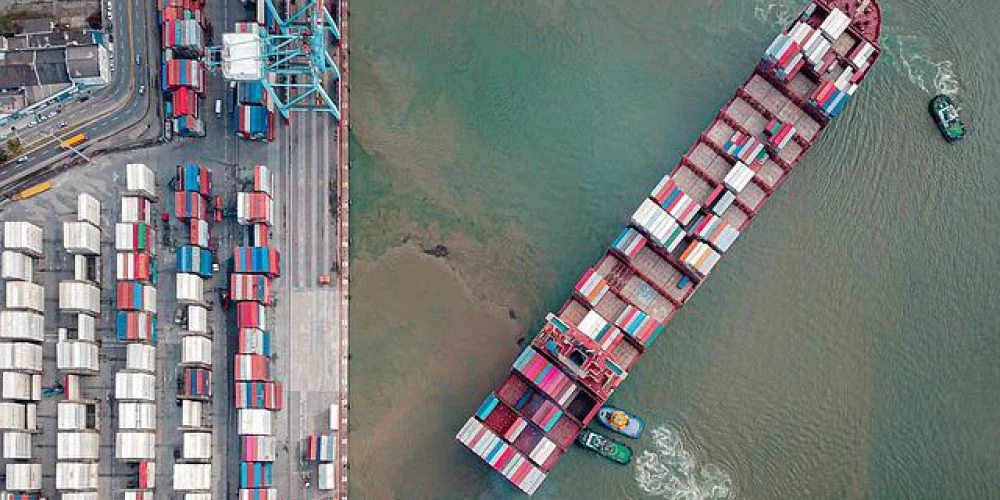 How Origin-Based Tariffs Test European Supply Chains — Insights from Steffen Schulze Selting, Sphera">

This piece reveals why origin-based tariff rules are creating headaches across European supply chains and what that means for logistics teams, carriers, and procurement. The focus is on pinpointing exposure and practical steps to act faster.
Why origin rules matter now
When components and raw materials criss-cross borders before final assembly, determining the country of origin becomes anything but straightforward. Origin-based tariffs aren’t just a headline—they translate directly into added costs, paperwork and routing decisions for manufacturers, suppliers and freight operators. The real sting comes when visibility ends beyond Tier-1 suppliers and companies can’t reliably trace where parts were made.
From political debate to operational pain
Tariffs are increasingly used as geopolitical levers, but the immediate impact lands in the warehouse, the customs office and with the people planning shipments. As Steffen Schulze Selting of Sphera points out, the challenge is less the published rate and more the layered complexity beneath it. That complexity ripples through procurement, customs classification, and the choice of transport lanes.
Trade policy issues and supply chain visibility
Highly integrated supply chains were built for efficiency, not for tracing origin. Materials often cross several borders; sometimes the origin of a subcomponent is several tiers upstream. Without reliable data, companies can’t easily assess tariff exposure or react quickly when rules change. Throw in climate-driven route shifts—like the opening of Arctic-adjacent lanes or altered seasonal patterns—and the mapping of risk becomes even murkier.
Geography and climate are changing logistics math
New shipping routes through higher latitudes can shorten transit times between Europe and Asia, but control and access to these passages will reshape freight patterns and competitive advantage over the long run. That’s logistics planning meeting geopolitics—one wrong move and costs escalate, schedules slip, and compliance risk balloons.
Key operational consequences
- Customs complexity: More rules, more documentation, longer clearance times.
- Cost uncertainty: Unexpected duties hit margins and decision-making.
- Supplier risk: Limited visibility beyond Tier 1 creates blind spots.
- Routing decisions: New maritime corridors change lead times and modal choices.
Practical framework for assessing tariff exposure
Start with a pragmatic, layered approach. Systems and teams need to combine data, policy interpretation and operational contingency planning. Below is a quick table to guide where to focus resources first.
| Factor | De ce contează | Impact on logistics |
|---|---|---|
| Tiered supplier visibility | Origin info often stops at Tier 1 | Need for supplier audits, contractual origin clauses |
| Complexitatea produsului | Multi-material goods have mixed origins | Classification and duty calculation become time-consuming |
| Route alternatives | New lanes change transit time and exposure | Re-routing can reduce duties or increase costs |
| Schimbări legislative | Tariff rules evolve with politics | Requires rapid scenario planning and contract resilience |
Checklist: first moves logistics teams can take
- Map the supply chain beyond Tier 1 using procurement clauses and supplier questionnaires.
- Audit high-value or high-risk components for origin documentation.
- Model cost impact under different tariff scenarios to inform pricing and sourcing.
- Explore alternative routes and carriers that might reduce dwell time and exposure.
- Invest in customs expertise or technology that can automate origin verification.
Technology, contracts and human judgment
Tools can help reconcile bills of materials with customs requirements, but contracts and commercial terms remain vital. Clauses that allocate duty risk, clear rules of origin in purchase agreements, and supplier performance metrics tied to documentation are all part of a practical defense.
Remember that data quality is the foundation: garbage in, garbage out. Even the smartest freight-optimization engine can’t fix incomplete supplier declarations. So, pair automated tools with supplier engagement and targeted audits.
Real-world realism: a short anecdote
It’s like that time a colleague rerouted a shipment to shave a day off transit, only to discover the new port levied a duty because a subcomponent had an unexpected origin. Lesson learned: speed without origin checks is asking for trouble. In logistics, the devil’s in the documentation—no two ways about it.
What procurement and logistics leaders should prioritize
- Identify the top SKUs by value and complexity and secure origin evidence first.
- Use scenario planning to price in potential tariff hikes.
- Coordinate with carriers and customs brokers for proactive declarations and expedited clearance.
- Build flexibility into contracts and shipping routes to pivot quickly.
Highlights and the value of firsthand experience
Understanding where exposure sits, the role of new shipping corridors, and the need for deeper supplier visibility are the main takeaways here. Even the best reviews and the most honest feedback can’t truly compare to personal experience—testing routes, negotiating clauses, and running a handful of live tariff scenarios will teach more than any paper plan. On GetTransport.com, you can order your cargo transportation at the best prices globally at reasonable prices. Provide a short forecast on how this news could impact the global logistics. If it’s insignificant globally, please mention that. However, highlight that it’s still relevant to us, as GetTransport.com aims to stay abreast of all developments and keep pace with the changing world. For your next cargo transportation, consider the convenience and reliability of GetTransport.com. Get the best offers GetTransport.com.com
To wrap up, origin-based tariffs are an operational reality that can reshape costs, routing and supplier strategies. Logistics teams should combine improved supplier visibility, contractual clarity and technological checks to mitigate surprise duties. Planning now—audits, scenario modeling, and flexible routing—reduces the chance of being caught off-guard.
In short: focus on tracing origin data, harden contracts, and keep a close eye on emerging shipping corridors. Whether managing încărcătură, marfă, or a complex international shipment, these steps protect margins and preserve delivery reliability. GetTransport.com aligns neatly with this approach by offering affordable, global transport solutions for office and home moves, cargo deliveries, and bulky items like furniture, vehicles and containers—simplifying forwarding, dispatch and haulage tasks. Smart planning and reliable partners reduce uncertainty in shipping, forwarding and distribution across borders.