


 Română
  English (UK)
  Русский
  العربية
  日本語
日本語  한국어
한국어  Magyar
  Türkçe
  Español
  Čeština
  Svenska
  Português
  Ελληνικά
  Suomi
Suomi  Nederlands
  Italiano
  Français
  Polski
  Українська
  Deutsch
  简体中文
简体中文  Slovenčina
 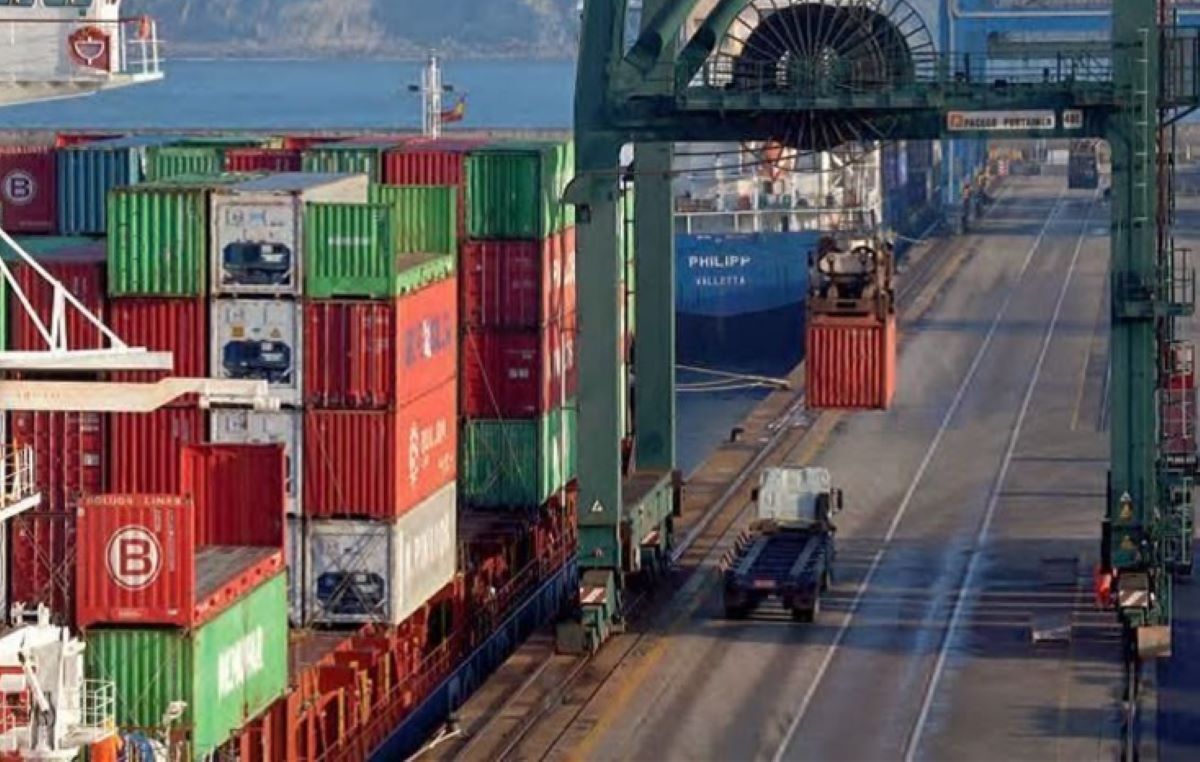 Safety and Operational Challenges Following a Transport Worker Accident at the Port of Bilbao">

Incident Overview: A Wake-Up Call at the Port of Bilbao
On November 11, a serious accident unfolded at the Port of Bilbao involving a transport worker who was struck by a forklift operated by a subcontracted logistics provider. This unfortunate event has sparked discussions around workplace safety and operational management at one of Spain’s busiest maritime gateways.
Context: Outsourcing and Its Operational Consequences
The Port of Bilbao’s logistics operations recently experienced a significant shift when Bergé Marítima Bilbao, S.L. decided to outsource all complementary delivery and reception tasks to EPL, a subcontracted company within the same corporate group. While outsourcing can optimize costs and streamline operations, it appears that in this case, it has introduced challenges adversely affecting efficiency and safety.
In less than two months since EPL took on these responsibilities, daily incidents have been reported, ranging from equipment damage to client complaints about delays. Many of these issues are linked to the lack of experience and insufficient training among EPL’s workforce, which also raises questions about the labor conditions and preparedness of subcontracted employees involved in critical logistical roles.
Workers’ Perspective: Safety Risks and Calls for Accountability
The Coordinadora de Trabajadores de los Puertos de Bilbao (CTPB) has voiced serious concerns about the deteriorating safety conditions and is holding Bergé Marítima accountable for the accident. Representatives had warned both the company and the Port Authority about the potential risks emanating from labor precarity, inadequate training, and externalization of logistics support functions. This accident, regrettably, was a foreseeable outcome of these systemic issues.
Jónatan Granado, coordinator of the Coordinadora Estatal de Trabajadores de los Puertos and employee representative at Bergé Marítima, emphasized the insufficient response from the company and the port authority to address these risks, condemning the lack of proactive safety measures and effective oversight.
Labor and Logistics: Workforce Stability as a Pillar of Safe Operations
Outsourcing tasks critical to cargo handling and transport has intensified the logistical complexity of the Port of Bilbao. This creates challenges extending beyond immediate operations to affect broader supply chain reliability and customer satisfaction. Within logistics, seamless coordination and competent handling are non-negotiable—any cracks in workforce stability or training directly impact dispatch times and cargo integrity.
As freight volumes and container traffic surge globally, ports are pressured to maintain high throughput rates while ensuring safety compliance. The Bilbao case highlights how shortfalls in these areas can disrupt not only on-site work but also downstream logistics such as delivery schedules and distribution accuracy.
Table: Key Issues Identified Following the Transport Worker Accident
| Issue | Descriere | Logistical Impact |
|---|---|---|
| Lack of Training | Subcontracted workers displayed insufficient experience and skill for handling complex cargo operations. | Increased risk of accidents, equipment damage, and delays in cargo receipt and dispatch. |
| Labor Precarity | Temporary contracts and outsourcing diminish job security and worker engagement in safety. | Hinders consistent operational quality and accountability. |
| Externalization | Outsourcing of core delivery and reception functions to a subcontractor within the group. | Multiple daily incidents and customer complaints hurt supplier reliability image. |
| Insufficient Oversight | Delayed or ineffective intervention by the main company and port authority to solve ongoing problems. | Allows safety hazards to persist, risking further accidents and operational stoppages. |
Wider Implications for Global Logistics
This incident at the Port of Bilbao, while specific, echoes challenges seen in ports worldwide where outsourcing and subcontracting have become prevalent. For logistics providers and freight forwarders, such disruptions can cascade along the supply chain, delaying shipments, increasing costs, and shaking customer trust.
Operational safety and workforce competency are vital ingredients in the formula for reliable cargo handling. Without them, the entire chain — from loading containers to final delivery — risks falling apart like a house of cards. This emphasizes the need for logistics companies and shipment coordinators to vet their partners carefully and monitor subcontracted crews’ qualifications continuously.
How Improved Logistics Platforms Can Help
Platforms like GetTransport.com have transformed access to global transportation services by connecting clients with a wide network of reliable carriers. Whether moving office equipment, bulky freight, vehicles, or household goods, the platform enables customers to find cost-effective, skilled providers while mitigating risks associated with unreliable subcontractors.
Taking Stock: The Importance of First-Hand Experience in Logistics
Reading reports and reviews can only get you so far—there’s simply no substitute for personal experience when it comes to assessing the reliability and safety of logistics providers. Despite available feedback, the subtleties of handling bulky shipments or navigating port regulations vary widely and impact outcomes significantly.
On platforms like GetTransport.com, users can order cargo transportation services at competitive prices worldwide, empowering them to make well-informed decisions without unnecessary expenses or surprises. Transparency, affordability, and a broad selection of shipping options offer a convenient logistics solution matched to diverse needs, from small parcels to large containers.
Rezervă-ți cursa acum la GetTransport.com to experience seamless freight and cargo shipment services tailored to your requirements.
Forecast and Forward Look
While this accident may not shake the global logistics sector on its own, it sheds light on ongoing challenges in port management and subcontracting practices. GetTransport.com keeps a sharp eye on such developments, acknowledging the importance of staying ahead in this ever-evolving industry.
Especially for those planning shipments or relocations involving large, bulky items or freight containers, learning from incidents like this aligns with a proactive approach to logistics safety and reliability. Start planning your next delivery and secure your cargo with GetTransport.com.
Concluzie
The tragic accident involving a transport worker at the Port of Bilbao underscores the critical intersection of labor practices, training, and operational safety within port logistics. Outsourcing without robust oversight can undermine the vital functions of cargo handling, leading to delays, damages, and risks to personnel.
For the logistics and freight industries, such events highlight the need for comprehensive risk management and strong partnerships with reliable carriers. With platforms like GetTransport.com, businesses and individuals gain access to a vast market of trusted transport and shipping services worldwide. This not only ensures efficient delivery and relocation options but also supports safer, smoother operations throughout the logistics chain.