


 Română
  English (UK)
  Русский
  العربية
  日本語
日本語  한국어
한국어  Magyar
  Türkçe
  Español
  Čeština
  Svenska
  Português
  Ελληνικά
  Suomi
Suomi  Nederlands
  Italiano
  Français
  Polski
  Українська
  Deutsch
  简体中文
简体中文  Slovenčina
 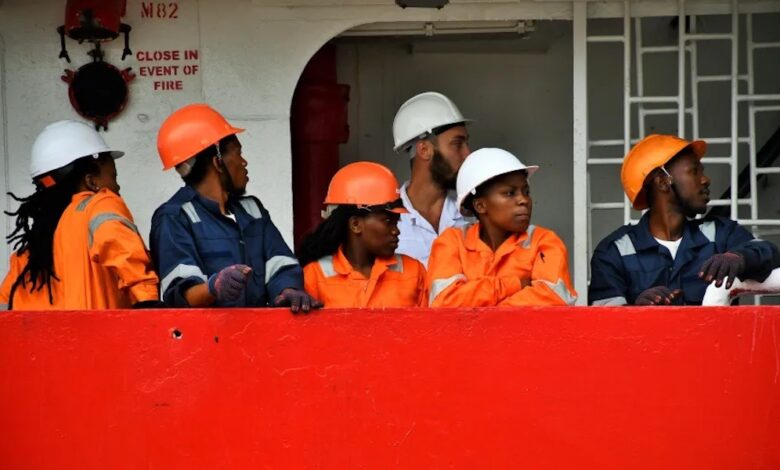 How the Shipping Industry Is Broadening Recruitment and Training to Meet the Growing Global Officer Shortage">

The Growing Challenge of Seafarer Shortages and Industry Response
The shipping world is facing a pressing issue: a widening gap between the demand for qualified crew and the available supply. As fleets around the globe expand and increasingly incorporate advanced technologies like dual-fuel engines and AI-assisted systems, the hunt for skilled seafarers intensifies. Experts forecast a shortfall of nearly 90,000 officers by 2026, squeezing the industry’s capacity to keep pace with global trade demands.
But this challenge has nudged companies to shake up their recruitment strategies. Instead of relying solely on traditional seafarer hubs, firms are casting broader nets internationally, investing heavily in comprehensive training and wellbeing programs to retain talent. This shift underscores a new industry norm: adapting to evolving technical demands while nurturing a workforce ready to embrace change.
Balancing Technology and Talent Readiness
Leading shipowners emphasize the delicate balance between technological evolution and the readiness of crew skills. With innovations raising the technical bar on vessels, seafarers must be quick learners, adaptable to continuous training on digital platforms and AI systems. Such readiness isn’t optional—it’s vital for operational safety and effectiveness in modern shipping.
Company Initiatives in Fleet Expansion and Talent Development
- Expansion of fleet sizes requires proportional increases in quality crew numbers.
- Some companies plan to double their seafarer headcount within the next few years.
- Retention programs focusing on wellbeing, skills development, and career pathways are gaining momentum.
- Establishing manning offices in emerging recruitment centers widens access to new talent pools.
- Strengthening cadetship pipelines and cross-training initiatives aim to future-proof staffing.
The Generational Shift and Realigned Expectations
One of the most subtle hurdles lies in managing the expectations of newer generations. Today’s youth often seek rapid results and prefer careers with more predictable lifestyles. The maritime industry, by contrast, requires patience and long-term commitment. Post-pandemic sentiments have further tilted preferences towards shore-based roles that keep workers closer to home, reshaping recruitment focus and retention approaches.
Training as a Strategic Response
To close this gap, major maritime groups are doubling down on recruitment backed by robust, consistent training programs. By acquiring renowned maritime academies and installing advanced simulators, these companies ensure that new recruits not only meet technical standards but also have clear career progression paths. This comprehensive approach fosters long-term commitment and improves workforce stability.
Addressing the Critical Shortfall of Senior Officers
While recruitment challenges affect all crew levels, the shortage of senior officers like chief engineers and masters is especially alarming. Many experienced seafarers transition to shore roles after short tenures at sea, leading to leadership vacuums onboard. Finding candidates with the right mix of technical competence, leadership skills, and personal integrity has become a growing concern.
Innovative Recruitment and Assessment Strategies
- Incorporating psychometric assessments to evaluate soft skills and leadership potential.
- Diversifying source regions to reduce reliance on one or two nationalities.
- New recruitment initiatives in emerging markets such as Kenya, reflecting an inclusive global talent strategy.
Untapped Potential: The African Frontier and Beyond
Africa’s maritime workforce potential is gaining fresh recognition. Despite possessing only a small fraction of the world’s seafarers, the continent’s vast coastlines and young population offer an exciting reservoir of talent. Training centers are being established, and long-term partnerships forged to stimulate growth in this sector. Moreover, companies are expanding operations in countries not traditionally associated with seafaring, including parts of the Middle East, South America, and Southeast Asia.
Diversity as a Strategic Imperative
Diversity in crew nationality, age, and gender is increasingly viewed not as a luxury but a necessity to tackle workforce shortages. There is particular emphasis on integrating more women, who remain significantly underrepresented. Importantly, quality and cultural fit remain top priorities alongside increasing headcount, ensuring sustainable and effective teamwork aboard vessels.
Navigating Logistics and Safety Considerations
Geopolitical factors and maritime safety concerns also influence recruitment and location strategies. Companies are studying new recruitment hubs that offer long-term stability while steering clear of regions with elevated operational risks. This strategic geographical diversification supports consistent crew availability and upholds safety standards—both critical for seamless logistics and consistent shipment delivery.
Expanding Horizons: Southeast Asia, Eastern Europe, and the New Frontiers
Recruitment maps are evolving fast. Southeast Asia is expanding beyond traditional centers, with new efforts in Indonesia, Vietnam, Myanmar, and island nations. Eastern Europe and Latin America are also coming into focus. This broad geographic approach enhances flexibility in sourcing, vital for meeting fluctuating client demands and maintaining uninterrupted freight services.
The Mindset Shift: Creating Seafarers, Not Just Finding Them
Industry experts highlight that the recruitment challenge isn’t merely about finding existing talent but about cultivating it. Investing in training, mentorship, and career-building opportunities creates a sustainable workforce. Waiting for “ready-made” seafarers often leads to gaps and shortages. Supporting new entrants with sea time and practical experience is critical to close skill and readiness gaps.
Example: Bursary Programs and Cadet Support
Several firms now sponsor bursary programs to help young aspirants overcome financial barriers to maritime education. This approach attracts brighter, diverse candidates and fosters loyalty to companies that invest in their development. The importance of living and working conditions onboard, alongside clear career ladders, is increasingly recognized as key to retention.
Summary of Key Points and Logistics Impact
The global shipping industry is undergoing a transformation in how it addresses the seafarer shortage. By expanding recruitment geographically, embracing diversity, cultivating talent through structured training, and adapting to new generational expectations, the sector aims to secure a resilient workforce for the future.
From a logistics viewpoint, this evolution holds significant implications. Reliable crew availability ensures smooth global cargo movement, timely shipments, and efficient fleet operation. The strategic location of new recruitment hubs also enables better staffing adaptability in an ever-changing international shipping landscape.
Why Personal Experience and Informed Choices Matter
While reviews and feedback offer useful insights, nothing beats firsthand experience when choosing reliable shipping and cargo services. Platforms like GetTransport.com provide access to a wide range of transportation options worldwide, priced competitively, and tailored to diverse cargo needs—from household moves to large bulky goods, vehicles, and freight shipments.
With transparency and convenience at its core, GetTransport.com empowers users to make smart transport decisions without overpaying or facing surprises. The platform’s vast network taps into global logistics efficiently, aligning perfectly with the shipping industry’s current drive to diversify and professionalize talent pools. Obțineți cele mai bune oferte pe GetTransport.com.
Looking Ahead: The Logistics Forecast
Though the seafarer shortage currently centers within the maritime industry, its ripple effects touch the entire global logistics chain. Ensuring a steady flow of qualified crew will be vital to maintaining the continuity of international shipments, dispatch, and forward freight operations. As the shipping sector adapts by spreading recruitment worldwide and enhancing crew welfare, the overall logistics ecosystem will benefit from improved reliability and efficiency.
At GetTransport.com, staying in tune with such developments allows seamless integration of the latest industry standards into cargo transport services—helping clients navigate global challenges with confidence. Start planning your next delivery and secure your cargo with GetTransport.com.