


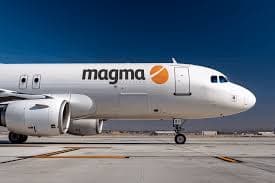

Steady Numbers in the Narrowbody Freighter Fleet
The global fleet of narrowbody freighters has essentially held its ground over the past year, clocking in at 847 active aircraft by the end of the third quarter in 2025. This marks a mere 0.6% increase compared to the previous year, signaling a plateau rather than dramatic expansion in this sector of air cargo transport.
Though that 0.6% might seem like small beer at first glance, it’s often the case that headline figures don’t tell the full story beneath the surface. The narrowbody freighter market is a bustling ecosystem teeming with developments on how existing aircraft are utilized, new conversions, and shifts in operator fleets. Understanding this subtle growth helps paint a clearer picture of global air freight capacity and its ongoing patterns.
Recent Fleet Movements and Customer Expansions
The landscape has seen some noteworthy moves, such as West Atlantic stepping up as the newest customer to bring the 737-800BCF into their operation under World Star's stewardship. These kinds of acquisitions represent a broader pattern where operators maintain their fleets through conversions and selective additions rather than wholesale fleet expansion.
Challenges in Widebody Freighter Operations Impacting Market Dynamics
Meanwhile, some widebody cargo planes like the FedEx MD-11Fs remain grounded, with reports suggesting they might stay inactive until March. These grounding decisions affect how cargo demand gets redistributed, often nudging smaller, narrowbody freighters into more prominent roles to handle particular shipments that widebodies might typically cover.
Understanding the Modest Growth: What’s Driving It?
The key to this teetering growth is a mix of market saturation, evolving demand, and the economics of maintaining versus expanding fleets. Narrowbody freighters, favored for their versatility on short- to medium-haul routes, have become workhorses for e-commerce parcel deliveries, regional cargo runs, and niche bulky item transport.
However, the pace at which new aircraft are converted or introduced hasn't surged dramatically, pointing to logistical and cost considerations. Conversions, where passenger jets are refitted into freighters, continue to be the go-to strategy, balancing fleet renewal with investment prudence.
Table: Narrowbody Freighter Fleet Snapshot 2024-2025
| Year | In-Service Units | Year-on-Year Growth |
|---|---|---|
| Q3 2024 | 842 | — |
| Q3 2025 | 847 | 0.6% |
The Bigger Picture: Implications for Cargo and Logistics
The logistics world watches closely because the size and makeup of the narrowbody freighter fleet can influence service frequency, available capacity, and routing flexibility. These aircraft support quick regional distributions, especially for time-sensitive parcels or moderately sized freight loads.
Given that major widebody jets face operational challenges and extended grounding periods, the steady availability of narrowbody freighters keeps a vital segment of the air cargo ecosystem functioning. It’s like having a reliable workhorse in your stable when the racehorse needs a rest. For companies managing supply chains, this balance is essential to avoiding bottlenecks or over-dependence on fewer, larger planes.
Factors Influencing Narrowbody Freighter Logistics
- Route Flexibility: Narrowbodies can serve both smaller airports and less dense routes, broadening distribution possibilities.
- Cost Efficiency: Operating costs tend to be lower on these aircraft for shorter runs, enabling economic regional deliveries.
- Fleet Conversion Trends: Passenger to freighter conversions extend aircraft life while meeting cargo demand without massive capital expenditures.
- Modal Shift Impact: As global trade dynamics evolve, narrowbody freighters fill niche gaps that would otherwise default to slower shipping modes.
Looking Ahead: Stability as a Growth Strategy in 2025
Instead of pushing for rapid expansion, the strategy seems to lean towards optimizing existing assets and gradual growth. Operators are focused on leveraging the flexibility of the 737-800BCF and similar models, which offer a sweet spot between payload, range, and operating costs. The forecast doesn’t suggest wild growth but rather a measured approach that matches current demand trends.
Analogy: Sustaining the Engine Rather than Adding More Cylinders
Think of it like tuning up your car for better performance rather than slapping on a turbocharger you don’t really need. Keeping the fleet stable with slight growth probably means fewer risks and higher efficiency in cargo delivery schedules. It also helps logistics managers plan better for capacity without the headaches of oversized or idle aircraft.
Personal Experience vs. Industry Data: The Best of Both Worlds
While reports and industry reviews provide crucial data points, nothing quite compares to firsthand experience with freight logistics providers. Platforms like GetTransport.com empower shippers to tap into transparent and affordable cargo transport options worldwide.
Whether moving home or office goods, large furniture, vehicles, or bulky parcels, having access to a broad network of transport solutions backed by real user feedback lets you sidestep unnecessary expenses and surprises. The flexibility and competitive pricing available through GetTransport.com make it easier to test waters for yourself rather than relying solely on reports or hearsay.
Book your Ride at GetTransport.com to experience this convenience firsthand.
Summary: Balancing Stability and Efficiency in Air Freight Logistics
In a nutshell, the narrowbody freighter fleet is quietly holding steady with minimal net growth heading into late 2025. This steadiness reflects a mature market balancing conversion-driven renewal and operational pragmatism. For the logistics and shipping sectors, this means consistent, reliable capacity for regional and short-haul cargo, supporting everything from parcel delivery to bulky freight management.
As widebody freighters face temporary setbacks, narrowbodies fill key supply chain roles, ensuring parcels and shipments keep flowing. Platforms like GetTransport.com sync perfectly with this landscape—they offer cost-effective, versatile transport solutions globally, making cargo forwarding, haulage, and relocation simpler to plan and execute efficiently.