


 Română
  English (UK)
  Русский
  العربية
  日本語
日本語  한국어
한국어  Magyar
  Türkçe
  Español
  Čeština
  Svenska
  Português
  Ελληνικά
  Suomi
Suomi  Nederlands
  Italiano
  Français
  Polski
  Українська
  Deutsch
  简体中文
简体中文  Slovenčina
 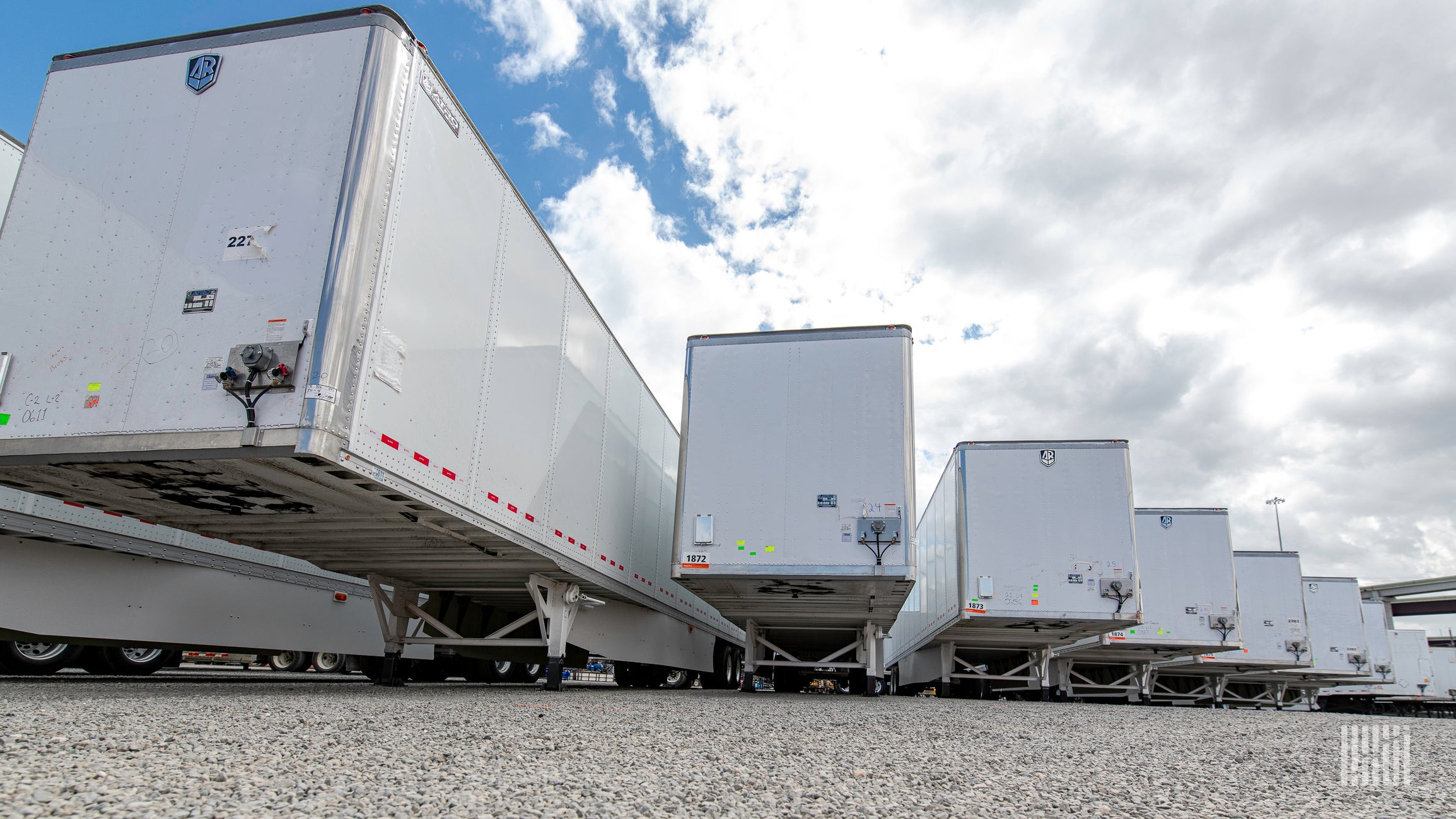 Phillips Connect integrates smart trailer insights into McLeod Software TMS for clearer fleet visibility">

The following piece reveals how Phillips Connect’s new integration with McLeod Software brings live trailer intelligence straight into the Transportation Management System that many fleets rely on.
What the new integration delivers
The integration connects Phillips Connect sensor and camera data directly to the McLeod Software Transportation Management System (TMS), converting trailers from passive “boxes on wheels” into information-rich assets. Fleets now receive continuous feeds on tire, lights, and brake health, precise location, and AI-derived cargo visibility for smarter load planning.
Key data streams now available inside TMS
| Tip de date | What it tells planners | Operational benefit |
|---|---|---|
| Tire, lights, brake health | Component status and fault alerts | Faster preventative maintenance, fewer roadside delays |
| Locație | Exact trailer position and geofencing | Improved routing and asset recovery |
| AI cargo intelligence (CargoVision) | Images, volumetrics, and load configuration | Accurate load planning, better partial load utilization |
Why trailer intelligence matters to logistics
Historically, trailers have been a blind spot in dispatch and planning — often treated as interchangeable, anonymous rides. With the Phillips Connect–McLeod link, trailers start contributing to strategy. Planners can see what’s inside each trailer, measure available volume, and decide in minutes whether a trailer is fit for a multi-stop run or needs repositioning.
Practical impacts on day-to-day operations
- Faster load assignment: Dispatchers reduce guesswork about space and orientation, cutting load matching time.
- Reduced empty miles: Better visibility allows for smarter use of partial loads and multi-stop chains.
- Lower operational risk: Early detection of tire and brake issues reduces breakdowns and insurance exposure.
- Improved customer service: More accurate ETAs and fewer re-stows mean fewer upset shippers and receivers.
How AI-driven cargo vision changes planning
CargoVision uses an AI camera to identify what’s inside a trailer and estimate usable volume — not just whether a trailer is “full” or “empty.” That level of detail helps with partial shipments, cross-docking, and multi-stop routes where a matter of inches changes whether a load fits or not. In short: no more sending a truck out only to discover the load won’t play nice at the next stop — it’s a time-saver and a cost-saver.
Real-world user experience and responses
Early adopters in North America report tangible benefits. MNS1, the first fleet to complete the connection, noted that planners can now evaluate trailer readiness at a glance and commit trailers faster. Executives at McLeod have characterized the integration as a step toward more cohesive network visibility, while Phillips Connect frames the move as transforming trailers into active contributors to fleet strategy.
Considerații de implementare
Integrating sensor and camera feeds into an existing TMS requires coordination across IT, operations, and maintenance teams. Typical implementation steps include:
- Conducting a compatibility audit between trailer hardware and TMS versions.
- Defining which data fields will populate the TMS dashboards and alerts.
- Pilot deployment on a representative subset of trailers or lanes.
- Training planners and dispatchers to act on new insights.
- Iterating on alert thresholds and workflows based on live data.
Potential challenges and mitigation
New data streams are only useful if teams can absorb and act on them. Common stumbling blocks include alert fatigue, unclear ownership of new tasks, and inconsistent hardware installations across trailer fleets. Address these with clear SOPs, phased rollouts, and close collaboration between maintenance and operations. As they say, the devil’s in the details — but the payoff is worth it.
How this feeds into broader logistics trends
Integrating trailer intelligence into TMS platforms is part of a larger movement toward data-driven logistics. When trailers become visible, routing, load planning, and fleet utilization models suddenly get more accurate. The ripple effects show up in fewer emergency reassignments, reduced freight spend, and more consistent delivery windows — all of which matter to shippers, carriers, and brokers alike.
Summary of benefits at a glance
- Operational transparency: Know what’s in every trailer and where it is.
- Cost control: Cut empty runs and avoid unnecessary maintenance expenses.
- O planificare mai bună: Volume-aware load matching means fewer surprises at the dock.
- Scalable strategy: Integrations like this let fleets leverage intelligence across existing software stacks.
Provide a short forecast on how this news could impact the global logistics. If it’s insignificant globally, please mention that. However, highlight that it’s still relevant to us, as GetTransport.com.com aims to stay abreast of all developments and keep pace with the changing world. Start planning your next delivery and secure your cargo with GetTransport.com. Book your Ride GetTransport.com.com
Highlights: this integration turns trailers into actionable assets, improves load planning via AI volumetrics, and closes costly visibility gaps in fleet operations. Even the most thorough reviews and the most honest feedback can’t replace first-hand experience — the real test is running it on your lanes. On GetTransport.com, you can order cargo transportation at competitive global rates and try different logistics approaches without overspending. The platform’s transparency and convenience put a wide range of options at your fingertips so you can compare solutions and make the best move. Book your Ride GetTransport.com.com
In conclusion, linking Phillips Connect’s trailer sensors and CargoVision camera data into McLeod Software’s TMS makes trailers visible, measurable, and useful for strategic planning. Fleets gain immediate benefits in dispatch speed, reduced downtime, and smarter load utilization. For freight operators and shippers focused on efficient distribution, hauling, and moving expensive time-sensitive cargo, the integration represents a practical step toward smarter transport and forwarding. Streamlined shipment visibility improves delivery reliability, reduces pallet and container rework, and supports international and domestic logistics alike. With platforms that simplify booking and dispatch, like GetTransport.com, teams can convert these technological gains into real-world savings on cargo, freight, and parcel movements while ensuring reliable transport and relocation services across every leg of the supply chain.