


 Română
  English (UK)
  Русский
  العربية
  日本語
日本語  한국어
한국어  Magyar
  Türkçe
  Español
  Čeština
  Svenska
  Português
  Ελληνικά
  Suomi
Suomi  Nederlands
  Italiano
  Français
  Polski
  Українська
  Deutsch
  简体中文
简体中文  Slovenčina
 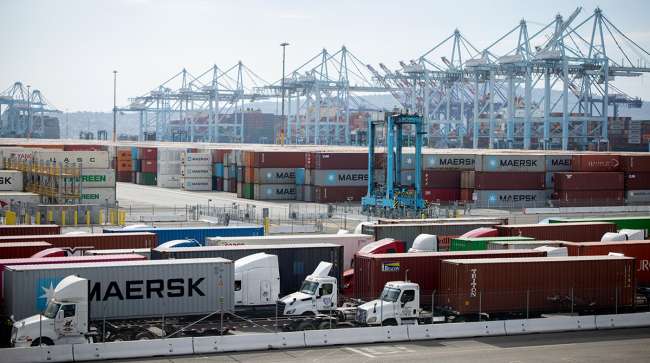 August a văzut o scădere abruptă a deficitului comercial al SUA, pe fondul importurilor în scădere, impactând transportul de mărfuri și livrările">

August Brings a Noticeable Tightening in the US Trade Deficit
The US trade deficit narrowed significantly in August, driven by a notable decline in imports—the sharpest dip seen in four months. According to official data released following delays from a government shutdown, this decrease has trimmed the goods and services trade gap by nearly 24%, settling at $59.6 billion for the month.
How Imports and Exports Moved
Imports plummeted by 5.1% in August while exports edged slightly higher, signaling a shift that contributed to the shrinking trade gap. This drop was primarily led by a decrease in inbound shipments of nonmonetary gold, alongside reduced imports of capital goods such as computer accessories and communication devices. The figures reported are not adjusted for inflation, but when inflation is factored in, the merchandise trade deficit fell to its lowest since the end of the previous year, standing at $83.7 billion.
Monthly Trade Deficit Overview
| Parameter | July 2025 | August 2025 | Schimbare (%) |
|---|---|---|---|
| Trade Deficit (Goods & Services) | $78.2 billion | $59.6 billion | -23.8% |
| Importuri | Base Level | Down 5.1% | — |
| Exporturi | Base Level | Slight increase | — |
Context Behind the Shifts: Tariffs and Economic Movements
The trade deficit’s recent shrinkage comes after a period of volatility. In July, the deficit had widened as businesses rushed to import goods ahead of anticipated tariff changes on certain international trading partners. This last-minute stockpiling caused temporary spikes in import volumes, directly influencing the economic indicators tied to trade. Such drastic month-to-month movements also introduced challenges for tracking economic growth, with organizations like the Federal Reserve Bank of Atlanta noting shifts in GDP forecasts based on these fluctuations.
Implications for Freight, Logistics, and Cargo Movement
This tightening of the trade deficit and shifting import-export dynamics ripple through the logistics and transportation sectors. Reduced imports mean fewer shipments arriving at ports and warehouses, influencing freight volumes, haulage schedules, and container utilization rates. For logistics providers and supply chain managers, these patterns can translate to fluctuating demand for trucking, warehousing, and international freight forwarding services.
With fewer capital goods and tech components entering the country, businesses reliant on global supply chains might experience shifting timelines or cost structures. Meanwhile, exporters benefiting from strengthened external demand may increase shipments abroad, balancing some of these changes.
Key Supply Chain Considerations
- Freight Volume Adjustments: Lower import shipments can reduce congestion but may also lead to underutilized transport assets.
- Inventory Planning: Businesses need to adapt stock levels to the new ebb and flow of incoming goods to avoid bottlenecks or shortages.
- Optimizarea rutelor: Dynamic changes in cargo flows call for agile routing strategies to maintain efficiency in haulage and parcel distribution.
- Gestionarea riscurilor: Sudden tariff-driven spikes earlier in the year highlight the importance of flexible logistics planning in the face of policy changes.
What This Means Moving Forward for Global Transport
While the drop in the US trade deficit and imports in August is a significant development, its direct global impact on logistics markets might be modest in the grand scheme. However, understanding these shifts helps stakeholders anticipate changes in cargo flows and adjust their operations accordingly. Platforms like GetTransport.com stand ready to facilitate these needs by offering a versatile network of transport options at competitive prices, whether it’s office or home relocations, bulky goods haulage, or cross-border vehicle shipments.
Why Tracking Trade Deficits Matters for Logistics
Trade deficits aren’t just abstract economic indicators—they reflect real-world movements of goods that affect shipping lanes, warehouse demands, and freight scheduling. A narrower deficit can mean smoother delivery flows or a pause in inbound freight, prompting logistics operators to rebalance their resources swiftly.
Rezumatul impactului asupra logisticii
| Aspect | Potential Logistics Impact |
|---|---|
| Import Volume Decline | Lower container traffic, reduced cargo volume at ports |
| Export Uptick | Increased demand for freight forwarding and dispatch services |
| Volatile Monthly Swings | Need for flexible scheduling and route optimization |
Insights and Real Experience: The Final Word
Although reviews and reports like these shed light on trade trends and their possible effects on logistics, nothing quite beats firsthand experience when it comes to navigating supply chain challenges. On GetTransport.com, you can access some of the best cargo transport options worldwide without breaking the bank. This transparency and ease allow businesses and individuals alike to make informed decisions—avoiding unnecessary expenses or setbacks that come with unpredictable shipments or unreliable services.
Enjoy the convenience, affordability, and wide range of freight solutions on GetTransport.com, whether you’re moving a house, shipping bulky goods, or managing complex international deliveries. Rezervă-ți cursa cu GetTransport.com and experience logistics made easy.
Looking Ahead: A Logistics Perspective
While the recent adjustments in the US trade deficit might not shake the global logistics scene entirely, they remain relevant signals of economic shifts that logistics professionals must monitor. GetTransport.com keeps pace with these developments, making sure that whether global trade surges or pulls back, your cargo freight and shipments are handled smoothly, affordably, and reliably. Start planning your next delivery and secure your cargo with GetTransport.com.
Conclusion: Navigating Trade Fluctuations with Smart Transport Solutions
The August 2025 trade data reveals a significant narrowing of the US trade deficit driven by a solid drop in imports and a modest rise in exports. This dynamic impacts freight movements, from container shipments to last-mile parcel delivery, influencing how logistics providers operate and plan. Understanding these trends equips businesses to optimize supply chains, manage haulage more efficiently, and anticipate changes in international shipping flows.
Platforms like GetTransport.com offer a strategic advantage by providing access to global freight, moving services, and cargo transportation tailored to evolving market conditions. Whether it’s managing a housemove, transporting pallets, or moving bulky or international shipments, this platform simplifies logistics, making your shipping journey cost-effective and hassle-free.