




Recommendation: Deploy an optimiser-driven planner for long-term planning that matches fleet availability with Pacific transits; this will enable increased capacity utilization, providing more predictable schedule windows for operators.
To address challenges in the water corridor, the model integrates resources from the available fleet, weather forecasts, traffic patterns; this model, they said, emerged from a need to improve resilience in the long-term plan; results from a pilot subset showed increase in on-time transits; idle time decreased; such findings support the optimiser providing operators with visibility to upcoming slots.
Expected outcomes include increase in fleet utilisation; water-time efficiency rises; the plan enables more available slots; with more schedule options, operators gain flexibility, making it possible to switch transits without compromising safety or service levels.
Implementation steps: compile data streams for weather, water, resources; calibrate the optimiser against a long-term horizon with a dedicated planner; run a pilot on a subset of the fleet; track KPIs: on-time transits, idle time, available capacity; scale to the full fleet if targets are reached.
Note Such a strategy reduces constraints, providing a more stable schedule while improving reliability across the Pacific corridors; with increased visibility to operators, they can reallocate resources quickly; a six to twelve month timeline is recommended for deployment; metrics will show increase in available slots and improved transits.
Panama Canal Invests in Optimised Tug and Vessel Scheduling to Boost Throughput and Shipping Performance; Panama Canal invests in optimised tug and vessel scheduling
Adopt a refined schedule model powered by quintiqs to align tugboat deployment with vessels calls, prioritising post-panamax transits and peak windows. Target a rise in utilisation of fleet assets by 15-20% and reduce idle time during peak periods by up to 15%, delivering a significant time savings and faster cargo cycles.
Consolidate input from operators, water level data, weather, and cargo forecasts into a single quintiqs-enabled model that explains how resources should be allocated into the schedule. This approach enhances adequacy and ensures there is enough capacity to handle peak transits in the east and pacific corridors, while reducing contingency time spent awaiting clearance.
Pair the analytic framework with upgraded tugboats and modular support vessels to extend reach into post-panamax operations. A long-term plan should envision a scalable fleet mix that aligns with capacity requirements, enabling the waterway to move more cargo per day and improve utilisation of assets across seasons.
Leverage self-learning algorithms to adjust the schedule as patterns evolve; forecast accuracy improves, reducing disruptions from weather or maintenance. The result is a significant impact on time to move and on overall performance, with resources directed to where they create the greatest impact for transits, especially in the east and pacific routes.
Key performance indicators should track utilisation rates, number of cargo transits, average time per move, and dwell times, alongside input from marine teams. Recommend establishing a quarterly review cadence to verify model accuracy, validate data quality, and adjust the plan to meet future requirements while maintaining agility for long-term growth.
Plan: practical angles for reporting on optimised tug and vessel scheduling at the Panama Canal
Recommendation: should publish a concise weekly performance brief focusing on transits; cargo flow; fleet utilisation; highlight forecast accuracy, real-time reallocations; impact of the planning engine on time, resources, capacity.
Key metrics (targets): transits per week (6–8); vessels in motion; post-panamax arrivals; dwell time at berths (target ≤ 60 minutes); cargo into yards; resources available; idle time reduced (≥20% year over year); forecast accuracy trend (mean absolute percentage error ≤ 12%).
Data sources include quintiqs input; terminal-operation systems; weather feeds; operators reports; crew reports; daily signals exceed 500; all providing enough available signals to support decision making.
Forecast modelling: describes how the optimiser leverages historical data to shape sequences; self-learning adjustments reduce dwell times (12–18%); enable 1–2 extra transits weekly.
Future readiness: outline post-panamax fleet growth (8–12% annually); capacity gains (15–20%); year-by-year forecast; resources planning supports sustained higher transits.
Operator-focused angles: show how the system trims idle time for tugboat operations; elevates crew productivity; improves cargo pickup to drop-off sequence; provide concrete numbers such as turn-time reductions; on-time berthing percentages.
Journalist guidance: request before/after charts; include forecast-error metrics; quote the planning team lead; supply raw data where permitted; include time stamps for every figure.
Safety and transparency: note weather scenario modelling; risk controls; ensure figures reflect basis; avoid sensational claims; present limitations.
Data sources and inputs powering the scheduling model
Recommendation: adopt a unified input set comprising live AIS streams; port call histories; cargo manifests; weather forecast; optimised data routing to enable more reliable plans.
Inputs include fleet performance metrics; cargo mix; post-panamax constraints; east region terminal queues; tugboat assignment history; marine weather with tide data; time-in-port logs; pilot walk times; berthing windows; forecast quality indicators; input adequacy checks; time stamps; that data enough for model calibration.
Data governance emphasizes timeliness; inputs come from multiple operators; this cross-enterprise feed reduces latency; then the model can respond to changed conditions with increased speed. The east fleet, if enriched by post-panamax vessel data, improves the forecast accuracy and reduces risk of bottlenecks.
Gaviria said this collaboration expands the input base; operators share data on post-panamax movements; there, timeliness and adequacy rise; with richer signals, forecast error declines; east region terminals benefit from earlier visibility.
gaviria noted this shift supports long-term planning with better input adequacy.
Real-time decision loop: how live data shorten ship wait times
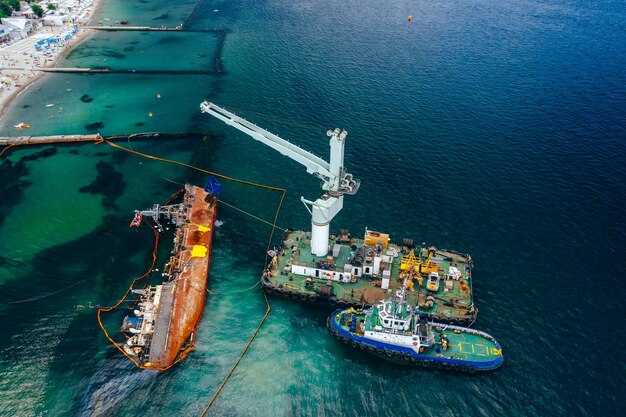
Implement a live data loop feeding sensors; AIS; berth status; weather into an optimiser model; this move provides real-time status; to enable planners to reallocate resources.
Future, providing real-time visibility across east, pacific corridors will enable operators to adjust schedule; this yields measurable results.
Through optimiser-driven timetable, the planner directs tugboat allocations; this increase in responsiveness to peak demand.
Result: year one should deliver a significant reduction in idle periods; the impact includes lower fuel burn; quicker berth clearance.
Challenges include data latency; sensor gaps; integration with legacy equipment; strategy: staged rollout; dedicated data validation; cross-team governance; to assist analysts.
that solution will provide a significant uplift for operators along the pacific corridor; there will be meaningful improvements there.
There should be enough signals to trigger priority moves during peak windows.
A senior operator said there the impact will be visible across east ports.
Operators gain reduced waiting times; smoother move; the future year should bring more efficient planning.
Tug deployment rules: allocation priorities, safety, and crew constraints
Recommendation: Use quintiqs self-learning optimiser to drive allocation of tugboat resources with a priority ladder based on risk; cargo urgency; vessel type; available crew. Ensure water depth, tidal windows, current conditions function as constraints; maintain enough slack to accommodate post-panamax arrivals.
Priorities: safety-critical moves such as escort in heavy seas; time-sensitive cargo moves; routine moves with adequate lead time. The optimiser assigns vessels by highest utilisation potential; measured by waterway clearance per hour; moves per shift. Result: reduced queue length; enhanced capacity; increased utilisation of this fleet. This framework should deliver predictable results. Rationale explained to crews.
Safety margins: rest periods enforced; shifts capped at 12 hours; mandatory 10 hours off between sessions; two rest days after a 7-day cycle. Crew constraints: licensed personnel; competence on post-panamax equipment; minimum 2 years sea service; training on emergency towing procedures within 12 months; fatigue monitoring via self-learning module; rotation plan ensures sufficient resources in east pacific operations year-long; that will enable resilient marine support; improving capability.
Operational framework: data feeds from quintiqs; real-time status; predictive alerts provide enough time to reallocate; assist crews; results include smoother vessel moves; greater capacity; providing resources to move cargo efficiently through the pacific corridor; this year signals significant resilience; future growth will be supported by upgraded sensors; water depth analytics.
Vessel sequencing and berth coordination: pilot availability and channel traffic
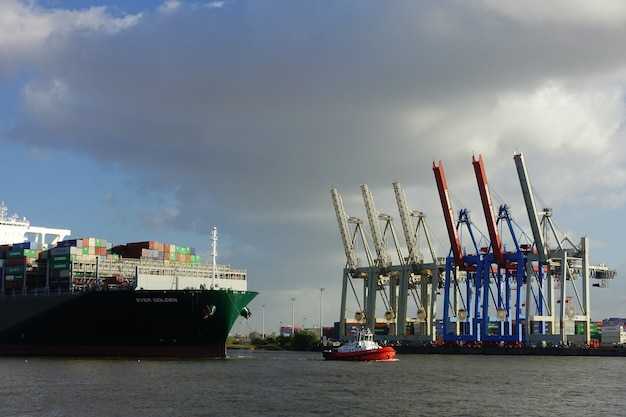
Recommendation: enable a live model that automatically aligns pilot availability, berth occupancy, channel slots; this increases cargo flow through the east pacific corridor, then raises capacity into the future.
- Forecast-driven sequence: a constraints-based model feeds pilot rosters, tide, weather, channel demand into quintiqs; yields best possible order for ships moving through the harbour, with buffers for safety margins, enabling consistent schedule execution, improving utilisation.
- Pilot availability alignment: lock launch windows to pilot rosters; ensure coverage during peak periods; keep at least one pilot on call for back-up slots; weekend rosters expand to 40 hours; then monitor results.
- Berth coordination: allocate quay slots to ships by priority; include transfer time for pilot handover; reserve margins for safety checks; adjust live as traffic shifts.
- Channel traffic management: integrate AIS feed, tide data, currents, water depth; produce a channel plan with time stamps; ensure 20 percent spare capacity for contingencies.
- Data inputs: maintain reliable input streams; implement data governance; meet data quality requirements; feed this year into quintiqs; leverage historical patterns to forecast future demand; monitor performance metrics such as utilisation, capacity, cargo flow.
- Outcomes: improved utilisation, tighter schedule adherence, reduced queue times; cargo moves more efficiently through the east water corridor; result: greater cargo flow and better resource use.
- Future readiness: design for year-on-year growth; input from operators, available resources; plan expansion along the eastern corridor; expect utilisation increase in the pacific east region; will support future traffic growth.
Measuring impact: KPIs for throughput, dwell time, and service reliability
Deploy a live KPI dashboard fed by real-time movement data to the schedule; enable a self-learning optimiser to update automatically using input from the fleet, available resources.
Key performance indicators include cargo flow through the network; dwell time per ship; schedule adequacy.
There remain challenges in aligning data streams with local rules.
To support decision making, implement a model; forecast results reflect pacific corridor realities; capture capacity constraints, tugboat availability, requirements for vessels.
gaviria said planners should focus on adequacy of input data; quality of input used by the optimiser remains focal.
planner verification of input adequacy is part of the process.
The execution team then deploy upgraded routines; automatically adjust resource distribution; reallocate fleet across shifts; assist planners when thresholds are breached.
This reduces time to respond to challenges; increases utilisation of assets.
With this structure, the potential impact includes increased cargo flow in the pacific corridor without compromising safety, maintenance, or service levels.
Focus on measurable outcomes rather than theoretical gains.
| KPI | Definition | Target | Current | Source | Frequency | Owner |
|---|---|---|---|---|---|---|
| Cargo flow through network | Rate of cargo moved across links in the network | 4.0–4.5 million tonnes/month | 3.6 million tonnes/month | ERP, AIS | Daily | planner |
| Dwell time per ship | Time ships spend within key nodes | 12–18 hours | 22 hours | Terminal ops data | Daily | operations team |
| Schedule reliability | Proportion of calls meeting planned windows | 95% | 92% | Yard and port ops | Weekly | scheduler |