


 Română
  English (UK)
  Русский
  العربية
  日本語
日本語  한국어
한국어  Magyar
  Türkçe
  Español
  Čeština
  Svenska
  Português
  Ελληνικά
  Suomi
Suomi  Nederlands
  Italiano
  Français
  Polski
  Українська
  Deutsch
  简体中文
简体中文  Slovenčina
  Probleme in Lanțul de Aprovizionare Stimulează Transformarea – Amazon vs Walmart">

Recommendation: standardize data policies and deploy end-to-end visibility to drive improvement across the Amazon vs Walmart comparison. This approach reduces misalignment between procurement, fulfillment, and store operations, and it pays off in higher service levels and lower costs. Begin with a single source of truth for orders, inventory, and receipt data, and ensure that every node across the network speaks the same language, with similar data definitions used by teams in logistics, merchandising, and stores.
Across both retailers, the biggest constraints are forecast accuracy and on-shelf availability. Amazon relies on dynamic routing and automated sorting to speed online-to-door delivery, while Walmart expands store-based fulfillment and curb-to-store replenishment. Data shows that improving forecast accuracy by 1–2 percentage points can cut stockouts by 3–5 percentage points and reduce expediting costs by 6–9% across both networks. The gains are realized across functions, not only in logistics, and highly actionable policies can lock in gains on the ground, especially when paired with real-time exception handling. If a shepardon anomaly appears in data feeds, trigger a quick investigation.
Implementation steps: build a common data model across suppliers, DCs, and stores, and enforce data-quality policies with automated checks. In para governance, define data latency targets, standard field names, and clear remediation steps. When data remains available across systems, planners can speak in one language and reduce cycle times.
Set up a control tower that triggers actions before a disruption appears on the ground. Preemptive replenishment and proactive sourcing reduce rush orders at the receipt stage. Use scenario planning and improvement metrics to compare the two models, and adjust policies to maintain service across peak periods. When produce or perishables are involved, maintain tighter inventory buffers but not at the cost of working capital.
Start with a 12-week pilot that standardizes data, tests the policy changes, and tracks concrete metrics: fill rate, on-time delivery, and cost-per-order. Ensure leadership speaks with one data-backed voice, across teams and partners. The next step is to extend successful practices to international operations as budgets permit, then monitor impact and iterate.
Global Digital Supply Chains in Times of Disruption
Implement a 24/7 supplier risk watch and standardize data feeds across tiers to reduce disruption impact. When disruption hits, the team went into action with a clear playbook that keeps critical parts flowing and drives decisions away from guesswork. This endorsed approach reduces the chance of causing delays and gives frontline teams a predictable path.
These events are profiled across regions to explain ripple effects: port congestion, extreme weather, cyber incident, and supplier failure. These profiles help teams anticipate ripple effects and align contingency plans with operations during peak demand.
Concerns about data sharing and privacy can slow response. Speak openly with suppliers, civil teams and regulators; those conversations address violation risks. Some partners sued after misreporting data, and others complained about contract terms.
During audits, gender and employment considerations come into play; dont rely on a single supplier. Easily executed checks help minimize risk and support civil labor standards. Those actions protect life and reduce worker exposure during disruption.
Mastering data across sourcing, transport, and distribution yields resilience. Life moments in logistics require transparent reporting, and those insights support governance and reduce disruption-caused losses.
Produced dashboards and cross-functional reviews turn insights into action; those steps are shared with suppliers and logistics teams to maintain service continuity.
| Metrică | Amazon | Walmart |
|---|---|---|
| Vizibilitate în timp real | 72% | 68% |
| On-time distribution | 95% | 93% |
| Inventory accuracy | 91% | 89% |
| Avg. issue resolution (hours) | 18 | 22 |
| Spend with diverse suppliers | 28% | 25% |
Demand Sensing and Forecast Accuracy: Real-time signals used by Amazon and Walmart
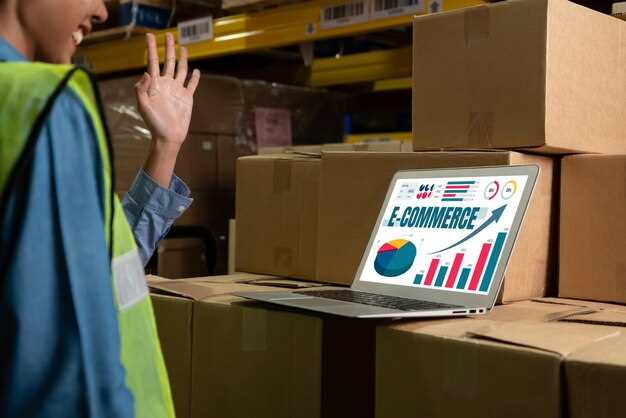
Start by building a data-based, real-time demand-sensing loop that ingests signals from point-of-sale, online orders, supplier confirmations, warehouse inventory, and carrier status. Enter these signals into a centralized platform that spans systems and updates forecasts hourly, so replenishment teams can act before stockouts or excess inventory suffer. This approach sharpens the supply picture and strengthens the operating environment against climate-driven volatility.
Use cutting-edge, probabilistic models to convert signals into actionable alerts. Another signal is climate data and airline capacity that affects transit times; aggregate signals into forecast scenarios, so the team can perceive which products are most sensitive, and which looks vulnerable across routes and facilities. The goal: translate signals into knowable risk and clear, executable steps for every node in the network.
Amazon and Walmart both rely on real-time signals, yet their methods vary. Amazon ties signals from marketplace behavior, fulfillment bandwidth, and carrier status into a tight feedback loop that adjusts delivery windows and inventory positions at the point of decision. Walmart combines store POS, online demand, and supplier performance with cross-docking and store replenishment rules to keep the shelf at the right price and cadence. In both cases, the environment is treated as a living system where repeated signal refreshes reduce lag and improve accuracy.
To govern this capability, appoint a senior officer to lead the program and establish a data governance court that enforces data quality, privacy, and decision rights. A clear, data-based process helps cut failures and aligns labor and employment planning with demand, so the organization can enter new cycles with confidence. When governance is strong, organizations perception of risk improves and the gift is resilience–employees understand what to do, and customers see reliable delivery even under stress from a tough climate or disrupted supply routes.
Practical steps to implement now: define what signals matter (POS, e-commerce activity, supplier confirmations, weather and flight capacity, and warehouse stock), build a unified data layer that integrates these inputs, deploy cutting-edge forecasting that updates hourly, and set measurable goals for forecast accuracy and service levels. Track improvements in forecast error, stockouts, and outbound fulfillment cycles, and pilot changes in a controlled subset of SKUs before scaling. By focusing on the most impactful signals and maintaining tight governance, you reduce the risk of repeated misalignments and build a robust system that supports both supply and labor planning across the network.
Where to Stock: Distribution center strategy, cross-docking, and regional vs national footprints
Recommendation: Build a two-tier network with regional distribution centers within 1-2 days’ drive of major markets and a compact national hub for slower-changing SKUs, paired with disciplined cross-docking to move products through facilities rather than storing them, which keeps shelves stocked and reduces delays.
Overview: A dynamic mix of regional density and centralized replenishment delivers fast shopping experiences while preserving cost control. Align hub location with high-volume corridors and use cross-docking to push items toward stores with minimal handling. This plan relies on sophisticated routing and data-driven decisions to respond to shifts in demand.
research and richey data show that this sophisticated, dynamic approach reduces delays and boosts in-store shelf availability across stores.
- Regional footprint: place 6-8 regional DCs in high-density areas to cover 70-85% of stores within a 1-2 day reach; use mile-based routing data to optimize door placement and reduce per-mile cost.
- National footprint: maintain a compact national core for slow-moving SKUs and seasonal items, supporting replenishment without overstocking shelves across the network.
- Cross-docking: implement dedicated cross-dock lanes for fast-moving categories like cereal and household staples; incoming pallets from suppliers are sorted by store order and moved directly to outbound trailers, minimizing handling and time in the network.
- SKU and packaging: optimize for shelf-ready packaging and clear labeling to ease cross-dock handoffs; maintain alignment with shelves in stores so replenishment matches how they organize products for quick shopping.
Data-driven results from pilots show reductions in delays and improved in-store availability when cross-docking is paired with regional hubs. In tests, dwell times fell by 30-40%, and on-shelf availability rose to 97-98% in target chains. Notorious delay spikes during peak season were damped by 20-25% due to tighter inbound control and improved routing. Acknowledging negative events, teams built a rapid apology protocol to communicate with stores and shoppers when an exception occurs and to outline the corrective steps taken.
Compliance and policies: document standard operating procedures, stay aligned with agencies and regulators, and maintain transparent communication with partners. Use regular compliance checks and audit trails to prevent malfunctions; when failures occur, issue a clear apology to stores and shoppers and adjust policies promptly. The work took a coordinated effort across teams to keep shopping experiences smooth and to follow policies in practice.
- Mapping and design: identify metro corridors and key supplier ecosystems; build a phased plan to add regional DCs and the national core.
- Implementation: install cross-dock facilities, automate inbound sorting, and adopt data-driven routing with real-time mile/travel estimates.
- Execution: train teams, define SLAs, and document all steps to ensure policy adherence and traceability.
Implementation notes: follow a metrics-driven process, track data on each leg, discuss results in regular reviews, and adjust the network to keep costs down while maintaining stores’ availability. Through disciplined testing and iteration, the network can respond to changes in demand, supplier performance, and regulatory requirements without sacrificing service.
Automation and Data Platforms: robotics, warehouse software, and data lake architectures

Perhaps the first step is to deploy a scalable data lake that ingests real-time telemetry from robotics and warehouse software, plus footage from cameras and order data. This data, conveyed through streaming pipelines, informs the control loop to optimize the process. The needed architecture cuts labor, reduces latency to the least possible level, and improves visibility into supply, materials, and throughput.
Automate the pick, pack, and put-away with cobots and WMS that share a common data model, so decisions happen in a single, auditable manner. Establish clear communication protocols and bolster data contracts; accents such as timestamps and event IDs improve correlation across footage and order events. Use an event-driven architecture to scale highly dynamic workloads and optimize the use of labor. These experiences sharpen data science insights and drive actionable metrics, with many facilities reporting arresting increases in throughput and accuracy.
Partnerships with suppliers, carriers, and technology vendors help lock in interoperability, reduce integration risk, and accelerate time to value. Keep a single source of truth to drive supply planning, order forecasting, and materials replenishment. americanblack sensors and modules standardize inputs across facilities; alongside robust security and governance, this approach lowers risk. Note: document data flow, ownership, and access controls; followed by frequent audits. Use analytics to detect anomalies in truck routes and yard footage to flag potential thieves and improve response times.
Resilience Playbooks: supplier risk, dual sourcing, and outage response
Recommendation: implement a dual-sourcing policy for all critical SKUs and create a formal supplier risk rating with quarterly reviews. For the top 20% of spend, require two alternate suppliers per SKU and target a 30% reduction in single-source exposure within 90 days. Establish six weeks of safety stock for high-demand categories like cereal and other essentials, and synchronize weekly with operations to keep stock delivered on time.
Current risk framework starts with a 5-factor score like financial health, capacity, geopolitical exposure, labor stability, and ESG performance. Link data from supplier self-assessments, performance history, and bureaus to a live worldwide dashboard that flags red or yellow risk by region. Maintain weekly updates and a fast-fix play for high-velocity items to prevent bottlenecks in the current network.
Dual sourcing plan: for each critical component, designate two vetted suppliers and run a 60/40 split in orders during stable months, increasing to a 50/50 split when risks rise. Prioritize tangible anchors such as bolts, packaging, and electronics, and ensure alternate sources can meet peak demand in a pinch. If a disruption hits, switch to planes for urgent shipments, reroute by land or sea as needed, and preserve a ready-to-execute air-freight option to keep lead times bounded.
Manual de răspuns în cazul unei defecțiuni: pragurile declanșatoare activează rapid – definește roluri în cadrul departamentelor de achiziții, logistică și operațiuni din magazine, plus un centru de comandă multifuncțional pentru incidente. Negociază în prealabil capacitățile cu transportatorii, depozitele și partenerii de logistică inversă pentru a asigura sloturi prioritare, alocă transporturile către cele mai apropiate centre de distribuție și documentează secvența pentru a minimiza întârzierile. Comunică clar cu clienții și utilizează un scenariu de scuze pregătit atunci când este necesar, executând totodată retururile în mod eficient și menținând clienții informați cu privire la termenele de livrare.
Oameni și parteneriate: investiți în dezvoltarea furnizorilor și în rezolvarea comună a problemelor; colaborați cu universități (universidad) pentru a construi programe de reziliență care să acopere evaluarea riscurilor, planificarea de urgență și îmbunătățirea continuă. Implicați programele sociale și de muncă pentru a proteja lucrătorii și a reduce intensitatea gazelor cu efect de seră în locațiile cheie. Creați o colaborare transparentă cu furnizorii din întreaga lume pentru a alinia standardele și asigurați-vă că disponibilitatea stocurilor sprijină vârfurile de cerere fără a compromite practicile etice.
Guvernanță și indicatori: stabiliți un tablou de bord care urmărește rata de epuizare a stocurilor, livrarea la timp și fluxul de retururi pe furnizor, regiune și familie de produse. Monitorizați durata întreruperilor, costul situațiilor neprevăzute și timpul de schimbare a furnizorilor, plus eficacitatea măsurilor de urgență cu transport aerian. Utilizați informațiile din birourile de performanță a furnizorilor pentru a ajusta mixul și investiți continuu în capacități care scurtează timpii de recuperare, păstrând în același timp calitatea și nivelurile de servicii.
Mentalitate de execuție: tratați reziliența ca pe un program de schimbare continuă, nu ca pe o soluție punctuală. Valorificați învățămintele din fiecare perturbare pentru a rafina planurile, similar modului în care echipele de mare viteză iterează ca răspuns la evenimente aflate în mișcare rapidă. Inspirați-vă de la liderii care prioritizează viteza și flexibilitatea și concentrați-vă asupra clienților – asigurându-vă că stocul ajunge acolo unde este nevoie, cu scuze minime și o comunicare clară atunci când apar excepții. Planificați investiții continue, recunoașteți valoarea pregătirii și creați o cultură care dorește să rămână înaintea riscurilor, mai degrabă decât să reacționeze după fapt.
Excelență în Livrare: opțiuni pentru ultimul kilometru, la bordură și fluxul de retururi
Adoptă ridicarea de la bordură și "cumpără online - ridică din magazin" (BOPIS) ca opțiuni esențiale pentru ultimul kilometru și aliniază-le cu centrele de micro-fulfillment în zonele urbane dense. Această combinație reduce drastic numărul de kilometri parcurși pe comandă la ultimul kilometru, accelerează termenele și reduce riscul de furt, menținând verificarea la ridicare strictă. Conectează pur și simplu comenzile online la cel mai apropiat punct de ridicare, trimite clienților actualizări în timp real și direcționează retururile prin același traseu simplificat.
Optimizarea rutelor trebuie să fie dinamică și direcționată către cea mai apropiată fereastră disponibilă, cu intervale de livrare flexibile care valorifică dulapurile, benzile de livrare la bordură și zonele de preluare din magazin. Conectați aceste opțiuni la inventarele existente, astfel încât clienții să vadă conținut exact despre ce este gata acum, unde și când. Ajustările frecvente ale planificatorilor reduc erorile și mențin comenzile în mișcare în timp ce echipele din toate funcțiile împărtășesc o singură strategie.
Fluxul de retururi ar trebui integrat în aceeași rețea, cu centre de retur dedicate care se ocupă de sortare în funcție de stare și de dispoziție. Articolele returnate sunt mutate rapid către recondiționare, revânzare sau casare, minimizând inconvenientul pentru clienți și eliberând spațiu în centrele de distribuție. Acest lucru permite deblocarea mai rapidă a inventarului invers și îmbunătățește fluxul de numerar pe diverse canale, conservând banii care altfel ar putea sta inactivi în tranzit sau pe rafturi.
Capturați și difuzați instrucțiuni clare de ridicare, actualizări ETA și opțiuni alternative printr-un strat de conținut consistent în aplicație. Consolidați relația cu clienții oferind opțiuni predictibile în momentul achiziției și imediat după, reducând abandonarea călătoriilor și crescând loialitatea. Directorii executivi obțin vizibilitate asupra valorilor metrice care contează: ridicări la timp, rata de returnare pe centru și impactul vânzărilor pe canale multiple.
Folosiți avioane și rețele terestre pentru a muta comenzile de prioritate înaltă între centre, după nevoie, echilibrând viteza cu costurile. În practică, livrările transcontinentale folosesc avioanele pentru distanța lungă, în timp ce ultimii kilometri sunt gestionați terestru. Această abordare oferă performanțe stelare atât în centrele urbane, cât și în zonele rurale, cu mai puține probleme cauzate de vreme sau defecțiuni ale drumurilor și un flux mai constant pe toate piețele.
Monitorizați progresul cu KPI-uri simple: timp de la comandă la pregătire, timp de așteptare la bordură, tentative de ridicare eșuate și durata ciclului de retur. Construiți o cultură puternică, bazată pe date, în care claritatea conținutului, vizibilitatea în timp real și iterațiile rapide permit echipelor să respecte termene strânse, protejând în același timp mediul și rezultatul financiar. Rezultatul este un motor de livrare rezistent, orientat spre client, care menține vânzările în creștere și banii în circulație, fără a sacrifica calitatea serviciilor.