


 Română
  English (UK)
  Русский
  العربية
  日本語
日本語  한국어
한국어  Magyar
  Türkçe
  Español
  Čeština
  Svenska
  Português
  Ελληνικά
  Suomi
Suomi  Nederlands
  Italiano
  Français
  Polski
  Українська
  Deutsch
  简体中文
简体中文  Slovenčina
  Viitorul transportului feroviar de marfă în Europa – Tendințe, reglementare și creștere durabilă">

Adoptarea imediată a unei strategii de coridor electrificat de transport de marfă la nivel de rețea va spori fiabilitatea, va scurta termenele de livrare și va reduce emisiile provenite din transportul feroviar. Alinierea investițiilor TEN-T cu bugetele naționale și capitalul privat pentru a moderniza punctele de trecere și nodurile intermodale. Obiectiv linked segmente de coridor care conectează major ports cu zone de producție în interiorul țării, permițând circulația facilă a mărfurilor.
Reglementarea impulsionează decarbonizarea și transferul modal, dar incertitudini să rămână în procedurile transfrontaliere și în planificarea capacității. Un clar direcție pentru a simplifica coordonarea orarelor, a standardiza regulile de circulație și digitizează documente de marfă pentru a reduce timpii de staționare la granițe.
În UE, aproximativ estimated cifrele arată că transportul feroviar de marfă reprezintă o parte minoritară din transportul intern, often sub 201€ în multe țări. Creșterea va depinde de livrare fiabilitate și paritate de cost cu transportul rutier, cu investiții concentrate pe coridoare centrale care fac legătura cu ports către regiunile de producție. Tendința continuă ca operatori privați și ports show disponibilitatea de a adopta trenuri complete și blocuri mai lungi care reduc manipularea.
Pentru a moderniza, concentrați-vă pe modernizează sisteme feroviare cu material rulant cu frecare redusă, semnalizare digitală și tracțiune eficientă energetic. Achizițiile coordonate pot reduce costurile marginale cele mai mici prin cumularea cererii între state, permițând livrare de transporturi mai curate, fără întârzieri. Avantaje Pentru transportatori includ orare predictibile, risc redus de congestie și acces la servicii consolidate care a acomoda producție just-in-time și movement de bunuri de la ports.
Europa va beneficia de hub-uri mai eficiente unde se intersectează legăturile feroviare, rutiere și maritime. Conectat rețelele și schimbul standardizat pot crește randamentul la ports, să scurteze livrarea în hinterland și să creeze o rețea rezilientă care continuă pentru a absorbi șocurile cererii. Părțile interesate ar trebui să acorde prioritate câtorva coridoare de înaltă capacitate și cel mai scăzut interfețe de frecare pentru a menține costurile competitive cu transportul rutier, care rămâne un movement risc în sezoanele de vârf.
Factorii de decizie se confruntă cu incertitudini din ciclurile de investiții, prețurile energiei și impactul evolutiv al vremii. O abordare pragmatică combină sprijinul public cu finanțarea privată pentru a accelera electrificarea, a urmări energia regenerabilă și show progrese măsurabil în ceea ce privește emisiile și cota modală. Strategia ar trebui să fie directat reducerea opririlor inutile, minimizarea staționării încărcăturii și deschiderea de noi ports unde logistica axată pe calea ferată creează avantaje clare.
Ghid de implementare: coridor de hartă movement modele, investește în semnalizare interoperabilă și dezvoltă material rulant care poate funcționa cu tensiuni multiple pentru a a acomoda traficul transfrontalier. Concentrându-ne pe livrare Prin fiabilitate și capacitate determinată de cerere, sistemul european de transport feroviar de marfă poate menține avântul pentru a atinge obiectivele de sustenabilitate fără a sacrifica calitatea serviciilor.
Transportul feroviar de marfă în Europa: Perspectivă practică
Lansarea unui program dedicat de capacitate la Zeebrugge și de-a lungul coridoarelor RFC cu cel mai mare trafic, pentru a oferi orare săptămânale și sloturi transfrontaliere predictibile. Această abordare reduce incertitudinea pentru transportul de marfă de înaltă frecvență cu aproximativ 15–20% și scade timpii de staționare la punctele de frontieră.
Priorități pentru anul acesta: transferarea unei cantități mai mari de mărfuri pe rutele transfrontaliere către transportul feroviar, ca răspuns la cererea generată de urbanizare, asigurând în același timp servicii de înaltă calitate și timpi de tranzit constanți.
Modernizarea coridorului estic: coordonarea investițiilor în rețelele naționale pentru a crește capacitatea vest-est și est-vest; concentrarea pe intervale de traversare mai fluide și planuri comune de întreținere pentru a menține circulația trenurilor.
Poarta Zeebrugge: Zeebrugge rămâne un centru cheie pentru transportul de mărfuri în containere către Europa Centrală, cu o creștere anuală a volumului de containere de aproximativ 3–5% și o încărcare feroviară în creștere dinspre rutele estice și nordice.
Beneficii ecologice: transportul feroviar de marfă reduce emisiile comparativ cu transportul rutier; în centrele cu legături intermodale puternice, amprenta ecologică scade, iar orașele beneficiază de o calitate mai bună a aerului.
Politici și operațiuni: UE a lansat un program în 2024 pentru a standardiza vămuirea prealabilă, interoperabilitatea și schimbul de date transfrontalier; implementarea unei abordări de tip ghișeu unic pentru a reduce întârzierile la frontieră și a îmbunătăți coordonarea națională.
Capacitate și planificare: menținerea unei capacități adaptabile a depozitelor și terminalelor în punctele cheie; luarea în considerare a presiunilor urbanizării și a ciclurilor de cerere; planificarea pentru operațiuni pe tot parcursul anului și creșteri sezoniere.
Cross-border Corridor Planning and Core Network Expansion
Adopt a Europe-wide corridor portfolio managed by a permanent governance body, with a 2026 milestone and a funding framework that blends euros from the EU budget, national investments, and private capital. This approach will contribute to reliable schedules and stimulate cross-border transport flows.
In the particular context of freight corridors, align main german and italiane nodes with neighbors to connect production hubs with ports and inland terminals. Use a standard for interoperability across loading units, signaling, and safety to simplify cross-border moves.
- Create a corridor map with clearly defined links, responsibilities, and milestones for each segment.
- Harmonize cargo preferences and unit loading to support packages and products flows, prioritizing high-volume routes for coal, gases, and other energy-related cargo where appropriate.
- Invite operators like wascosa to supply standard wagons and integrated solutions that improve reliability and rail capacity on bottleneck links.
- Develop a connected data platform that links timetable information, asset tracking, and terminal operations across borders, a factor that enables faster decision-making.
- Establish funding rules that combine euros from EU funds and national budgets, complemented by private investments and public-private partnerships, to accelerate core network expansion and to play a central role in corridor delivery.
- Target critical bottlenecks at border crossings, terminals, and rail corridors with upgrades such as double-tracking, electrification, and improved signaling to raise throughput.
- Set performance metrics focused on schedule reliability, container and pallet handling times, and emissions reductions from shifting freight off road.
- Engage customs, operators, and shippers to collect ongoing feedback on product mix, packaging requirements, and service preferences to refine the corridor design.
Addition to these steps, address the factor of border clearance time and build buffer capacity where needed, so the core network remains connected during peak periods or disruption scenarios, including covid-19 rebounds.
The outcome supports a prime option for European transport needs, with targeted investments and credible partnerships among german, italiane, and other national players, while demonstrating impact through reduced energy use and lower greenhouse gas emissions.
Digitalization, Open Data, and Improved Scheduling
Recommendation: Implement a unified Open Data platform that standardizes rail-freight schedules and live statuses across European corridors, with data feeds opened to operators, shippers, and terminals within six months. This move reduces disruptions by enabling proactive planning, improves visibility for the team, and cuts the time managers spend on reconciling sources across chains of operations. In year one, disruptions were most costly on long-haul corridors, proving that a shared data backbone is sufficient to unlock smoother flows.
Adopt a common data model and open APIs that connect sources from regional terminals, network operators, and commercial partners. Start with high-impact corridors and destinations, ensure sufficient metadata and quality controls so data remains reliable at the regional level. In the italiane context, align with EU and national specifications to facilitate cross-border moves. The context supports transparency and traceability across suppliers and customers.
Link the data platform to an optimization engine that generates and re-optimizes schedules in near real time. This approach yields uniform departure windows and reduces idle times at key nodes, improving reliability at destinations and across chains. In disruptions or crisis moments, the system suggests safe alternative routings and informs the involved team to act quickly, following clearly defined aims and performance metrics.
Implementation plan focuses on regional pilots first, then a broader rollout. The sources include operators, terminals, and shippers; the products delivered range from timetable feeds to predictive alerts and KPI dashboards. Managers should provide support across the organization and maintain a uniform level of data quality. When opened to a wider audience, the platform enables commercial teams to track market demand and respond with matched services.
To measure success, track year-over-year reductions in disruptions, decreases in pollution, and improved on-time performance by route and by level (regional vs national). Set a timeline with milestones: six months for core platform, nine to twelve months for cross-border integrations, and year-long reviews of implementation. The coordination team should document lessons learned with sources, ensure ongoing follow-up with stakeholders, and follow a monthly review cycle.
Regulatory Reform: Market Access, Charging, and Unbundling
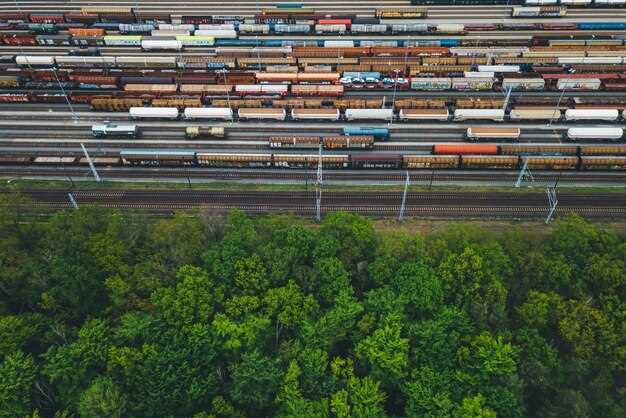
Adopt a unified EU-wide framework for market access with transparent, non-discriminatory track-usage charges and a rapid dispute process, all within 12 months. This policy should define objective service criteria, standardize applications, and ensure independent monitoring of performance.
Three action streams guide implementation:
- Market access and positioning: Create open access rights for providers that operate on interoperable corridors. Use a single electronic portal for licensing, safety certificates, etcs qualification, and performance data to reduce bottlenecks. Ensure positioning data is shared in real time to support reliable scheduling and minimize relative delays. This strengthens the role of rail in the main supply chains and keeps active operators competitive.
- Charging reforms: Move toward cost-reflective, time-variant charging with transparent tariff methods published across corridors. Tie charges to capacity usage, environmental benefits, and maintenance needs to keep the system well maintained. Use revenue to fund upgraded infrastructure and foster stable service levels. The driver here is to capitalize on modal shift and improve reliability across decades.
- Unbundling and governance: Promote functional unbundling and consider independent system operators where appropriate, with clear separation between infrastructure and train operations. Regulators should enforce non-discrimination and ensure policy coherence across cross-border flows. The triple objective remains: access fairness, pricing transparency, and service reliability. Providers compete on quality, not on inherited access rights.
To close gaps, regulators should map bottlenecks by corridor, align etcs deployment with upgrades, and share electronic data standards across providers. This remains priority as policy adapts to evolving rolling stock and signaling technologies, while the overall framework ensures reach to european markets and sustainable growth in shipping and inland freight. This framework also supports african corridors that capitalize on rail’s environmental benefits, linking ports to inland shippers and creating more resilient supply chains. The main benefit is a simpler, faster market-entry path for active operators and new entrants.
Financing GreenRail Projects: Grants, Loans, and PPPs
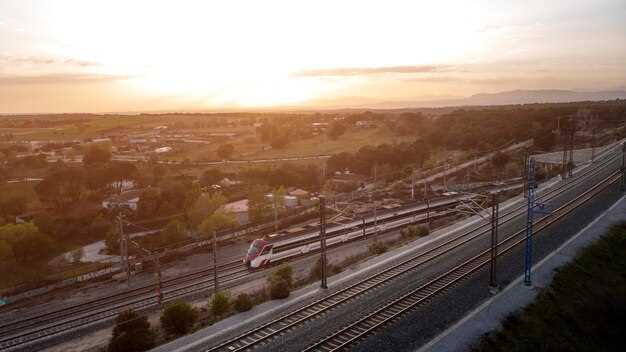
Adopt a blended funding plan that combines grants, low-interest loans, and PPPs to move GreenRail projects from plan to service at a larger scale. This approach showed how mixed funding can accelerate deployment and resulted in faster service for cargo, with immediate benefits for shippers and communities.
Developments in EU grants programs and national climate funds create a wider pool of capital to cover early design, de-risking, and pilot builds. A major upgrade in funding structures lets authorities pool small projects into larger pipelines, keeping a friendly financing climate for municipalities and rail operators alike.
Use modular financing packages divided by stage–planning, procurement, construction, and commissioning–to tailor terms, spread risk, and significantly align with budgets and timelines.
Clarify roles of public authorities, lenders, and private consortia to manage risk, share data, and align incentives with railroads’ ambitions. Transparent governance reduces affect on schedules and helps track progress across compartments.
Grants support case-level feasibility studies, environmental upgrades, and invention of new maintenance regimes that extend asset life and reduce lifecycle costs.
Loans cover core capex and locomotive procurement, with lower rates and longer tenors to reduce per-tonne costs and improve cash flow for operators.
PPPs enable risk sharing, provide predictable cash flows, and attract wide private participation, including a fifth-wave of partnerships and a second wave of collaborations.
Each instrument should offer performance milestones and flexible repayment options to affect project pacing without freezing capital for other rail needs.
Case studies across European corridors show that well-structured financing reduces cost per tonne-km and expands serving capacity, creating remarkable momentum for railroads and the ambitions of freight operators.
To maximize impact, authorities should publish standardized templates, share learnings, and maintain a larger, more cooperative market for rail freight finance that supports continued invention and global competitiveness.
Key Performance Indicators for Sustainable Growth in Freight Rail
Implement a standardized KPI framework nationwide with public dashboards and performance-linked funding.
Historically, freight rail performance relied on a narrow set of measures. A design-driven approach, with a catalog of indicators, sharpens ambitions and improves transparency. This framework supports sustainable growth by linking operational decisions to ambitions to reduce fossil emissions and boost modal share.
Current situation and uncertainties in demand, energy prices, and regulatory changes require a flexible set of targets that can adapt to fluctuations while keeping long-term goals in sight.
To spot improvement opportunities around corridor networks, monitor flows and trips, and track the rise of intermodal transfers, use a combined set of process and outcome indicators that reflect both efficiency and service quality.
Around nationwide networks, the freight sector grew heavily with expansion of cross-border traffic and urban consolidation, yet remains exposed to energy price shocks and aging infrastructure. Public reporting and clear accountability help stakeholders align capital, operations, and maintenance plans.
Implementation rests on digital data collection, interoperable systems, and open data where possible. This enables timely diagnostics, cross-operator comparisons, and evidence-based adjustments to plans and incentives.
The opening of new financing tools and regulatory support will accelerate the future trajectory of rail freight, especially where investments target decarbonization and reliability gains that affect trips and flows across the network.
Key driver metrics should address energy use, environmental impact, and service quality, with targets anchored in national and regional ambitions to reduce emissions and improve competitiveness.
Typical KPI design includes a balanced mix of leading and lagging indicators, with a focus on improvement over time and a clear link to operational decisions, maintenance cycles, and rolling-stock design and replacement choices.
| KPI | Definition | Target (example) | Data source | Note |
|---|---|---|---|---|
| On-time delivery | Ponderea trenurilor care sosesc în intervalul programat | ≥ 92% anual | Sisteme de operare feroviare, date de control al trenurilor | Reflectă fiabilitatea și calitatea planificării |
| Fluxuri de mărfuri (tone-km) | Volumul transportat per rută sau coridor, ponderat în funcție de distanță | Creștere anuală de 5–8% TP3T, acolo unde este fezabil | Înregistrări ale tranzacțiilor, jurnale de flotă | Măsurarea impulsului activității economice |
| Intensitate energetică (MJ/tonă-km) | Consumul de energie per tonă-kilometru transportată | -151 TEP până în 2030 față de nivelul de referință | Consum de combustibil, contoare de energie de tracțiune | Indică îmbunătățiri de eficiență și alegeri de design |
| Emisii de CO2 per tonă-km | Emisii împărțite la tone-kilometri parcurși | -251 TP3T până în 2030 comparativ cu nivelul de referință | Date privind emisiile, evaluări ale ciclului de viață | Indicator cheie de mediu pentru dependența de combustibili fosili |
| Ponderea intermodală din transportul total de mărfuri | Ponderea fluxurilor transportate intermodal feroviar față de alte moduri de transport | ≥ 401 Mt de mărfuri până în 2030 | Date de origine-destinație, rapoarte de distribuție modală | Sprijină schimbarea cererii și creșterea eficienței |
| Rata de funcționare în gol | Procentul de curse retur goale vs. total curse | < 12% | Jurnale operaționale, telematică | Reduce capacitatea nefolosită și consumul de energie. |
| Productivitatea locomotivelor | Tone-km per oră-locomotivă | ≥ 350–450 tone-km/locomotivă-oră | Sisteme de gestionare a activelor, telematică | Ghidează deciziile de proiectare și mentenanță |