


 Română
  English (UK)
  Русский
  العربية
  日本語
日本語  한국어
한국어  Magyar
  Türkçe
  Español
  Čeština
  Svenska
  Português
  Ελληνικά
  Suomi
Suomi  Nederlands
  Italiano
  Français
  Polski
  Українська
  Deutsch
  简体中文
简体中文  Slovenčina
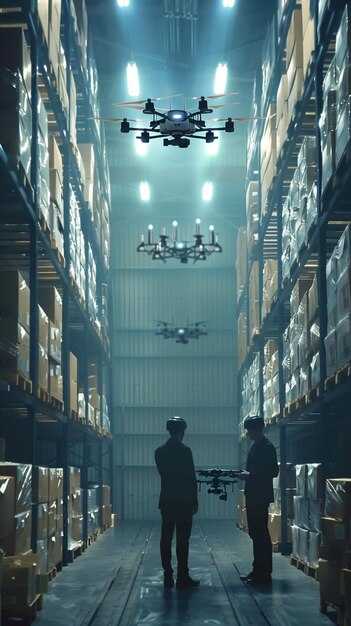
Rulează o perioadă de 90 de zile pilot în california depozitele pentru a valida financial ROI și captură actionable date cu care te poți compara astăzi, cu etape clare pentru test și învățare.
Efortul conjugat offers Tehnologie drone RFID care se integrează cu their sisteme pentru a oferi cap la cap view de inventar peste depozite.
Cu această configurație, identify discrepanțe rapid: dronele detect deplasări greșite, verificarea locațiilor de containere și declanșarea actionable alerte care informează zilnic work.
Proiectează integration cu fluxurile dumneavoastră de lucru pentru gestionarea depozitului: test datele curg de la drone către WMS, view numărări în timp real și identificare evenimente pentru audituri.
Testele pe teren confirmă o precizie ridicată; according la teste pe teren, o precizie ridicată este realizabilă cu calibrarea și instruirea adecvată, și o etapizare california Lansarea poate fi extinsă la multiple site-uri, menținând simultan perturbarea la minimum.
Proiect pilot Verity și Maersk cu drona RFID pentru inventarul din depozite
Recommendation: Lansați un proiect pilot cu dronă RFID bazat pe date pentru inventarierea produselor cu prioritate ridicată, cu scanări calibrate cu precizie, permițând o vizualizare a stocului și accelerând succesul timpuriu.
Setează domeniul: două depozite, 2-3 drone și un de șase săptămâni se va executa. Proiectul pilot va produce un summary o imagine asupra stării inventarului, dezvăluind constatări referitoare la lacunele de acoperire și la eficiența procesului de scanare.
Integrează dronele cu sisteme sursă la scară Maersk și maersk fluxurile de date intră în sistemul de gestionare a depozitului pentru a alimenta informațiile în WMS, permițând decizii dincolo de numărarea manuală și îmbunătățind logistică în rețelele mondiale.
Operați cu bazat pe vedere localizare și RFID eticheteobiecte analiză pentru a număra fiecare element precisely, asigurându-se că produsele sunt etichetate și împăcate. Acest lucru permite o numărătoare de înaltă precizie și reduce numărarea dublă.
Primele constatări arată un data-driven corelația dintre scanările cu drone și înregistrările ERP, acuratețea inventarului îmbunătățindu-se la niveluri ridicate, iar timpii de ciclu fiind reduși semnificativ. Abordarea face informații accesibile clienților și echipelor operaționale și ajută la luarea deciziilor care aduc beneficii. logistică.
Privind în perspectivă, extindeți-vă dincolo de locațiile inițiale prin standardizarea traiectoriilor de zbor, a gestionării etichetelor și a conductelor de date. summary constatările vor sta la baza unei implementări în depozite suplimentare din întreaga lume, fiecare echipă fiind aliniată și pregătită să acționeze pe baza informațiilor bazate pe date.
Verity testează tehnologia RFID cu drone autonome pentru gestionarea inventarului într-un depozit pilot Maersk
Recomandare: Implementați un program pilot în faze, care combină tehnologia RFID Verity cu drone autonome dronedj pentru a reduce costurile și a crește acuratețea identificării în timpul inventarelor într-o singură facilitate strategică, apoi extindeți la locații suplimentare.
Anunțat de Maersk, proiectul utilizează un sistem de drone bazat pe viziune și citiri RFID de înaltă rezoluție pentru a reduce verificările manuale și a accelera ciclurile de reaprovizionare. Configurația sprijină deciziile logistice cu date în timp real, îmbinând cititoarele RFID portabile și fixe cu drone autonome pentru a crea o singură înregistrare verificabilă pentru fiecare articol.
Planul include instruirea personalului de la bord și un regim de testare care protejează calitatea datelor, oferind în același timp îmbunătățiri măsurabile ale nivelurilor de servicii pentru clienți. Operatori seniori supraveghează testul, asigurând siguranța, conformitatea și reproductibilitatea între schimburi.
- Identificare: fluxurile video de înaltă rezoluție combinate cu citirile RFID ating rate de identificare care depășesc 98% la prima trecere, cu o reconciliere la a doua trecere care scade variațiile sub 0,5%.
- Reducerea costurilor indirecte: automatizarea reduce efortul de numărare manuală cu 30-40% în unitatea pilot, diminuând deplasările și timpul de mers al operatorilor.
- Progresul etapei: Etapa strategică 1 acoperă o unitate emblematică; Etapa 2 se extinde la două locații regionale în termen de 90 de zile, permițând îmbunătățiri rapide bazate pe date.
- Articole și densitatea facilităților: rutele dronelor optimizează scanarea rafturilor dense, îmbunătățind fiabilitatea citirii pentru articolele stocate în compartimente de înaltă densitate.
- Data integration: reads feed directly into Maersk’s services platform, enabling real-time inventory visibility and easing reconciliation with customers’ ERP and WMS systems.
- Commercial metrics: the project tracks rates of discrepancy detection and time-to-count reductions to justify broader deployment and onboarding of additional customers and facilities.
- Vision and advancements: the approach uses a vision-based navigation stack that learns from each flight, pushing advancements in object identification and route planning.
- Test and training: a dedicated training program covers drone operations, safety checks, and data validation; the test schedule allows rapid iteration while maintaining compliance.
The pilot also explores how Verity’s platform can handle returns, damaged items, and exception handling, ensuring that the drone layer augments, not replaces, human oversight. After the initial stage, an independent review assesses cost-to-serve and service-level improvements before deciding on a broader rollout to additional customers and facilities.
Pilot scope: locations, facilities, and pilot duration
Launch the pilot at three facilities across two regions, including a dockside hub that interfaces with vessels, to compare RFID drone performance across inbound, storage, and outbound flows. Define a single contract with clear milestones, service levels, and data-sharing rules to minimize questioned assumptions and keep the team aligned throughout the test.
Duration spans twelve weeks: two weeks for installation and operator training, eight weeks of live testing across all sites, and two weeks for data consolidation, analysis, and recommendations to management. This cadence keeps changes controlled and enables accurate trend analysis.
Locations and facilities: Site A (DC North) handles high SKUs and dock access; Site B (DC West) features a multi-aisle layout for cross-dock; Site C Port Hub tests yard scanning near vessels and outbound packaging. Each location includes receiving, storage, and picking zones, with three scanning zones tested per site to measure rates and accuracy under real-world pressure. We will use cutting-edge drones with integrated RFID readers and decoupled power taps to ensure continuous coverage that reduces errors and downtime. This setup supports sustainability by cutting manual checks and travel during the process.
Contract governance and data taps: The project relies on a stated contract with defined SLAs, data access, and privacy guarantees. Operator responsibilities cover weekly maintenance checks and incident reporting. Management oversight ensures alignment with decarbonization goals and overall sustainability targets. The testing at three facilities provides a differentiator in how scanning, management, and warehousing services work together throughout the process.
Test design and success criteria: We measure accuracy (target 99.5%), rate of scanned items per hour, and error rate reductions (target at least 40%), plus process cycle time improvements. Rates and scanning data will be aggregated to determine if the pilot makes the business case for full deployment. At each site, operator feedback and management reviews will guide the next steps.
| Locație | Facility Type | Pilot Window (weeks) | Setup Window (weeks) | Coverage Zones | Key Metrics | Risks & Mitigations | Responsibilities |
|---|---|---|---|---|---|---|---|
| DC North | Regional Distribution Center | 12 | 2 | Receiving, Put-away, Picking | Accuracy target 99.5%; Errors down 40%; Scanning rates 60–80 scans/hour | Dock congestion; mitigations: scheduled buffers and power backup | Operator, Management |
| DC West | Regional Distribution Center | 12 | 2 | Receiving, Staging, Replenishment | Same targets; cross-dock throughput focus | SKU variance; mitigations: tag calibration and reader calibration sessions | Operator, Management |
| Port Dockside Hub | Dockside Hub | 12 | 2 | Inbound, Yard, Outbound to Vessels | On-time handling; rates 50–70 scans/hour | Weather impacts; mitigations: weather protections and rapid charging stations | Operator, Management |
RFID tagging strategy: tag types, read ranges, and data capture cadence
Deploy a dual-tag strategy immediately: attach passive UHF EPC Gen 2 tags to pallets and cartons for bulk read efficiency, and equip high-value items with active or semi-passive tags to gain long-range visibility without line-of-sight. Implement the dronedj module onboard drones to perform autonomous overhead scanning, delivering actionable updates into your warehouse management system (WMS) and control dashboards.
Tag types and use-case alignment: Passive UHF for bulk goods and pallets; Passive HF for near-field reads inside rack interiors; Active/battery-assisted tags for high-value items or assets requiring continuous visibility beyond passive reach. Radio compatibility and anti-collision handling help ensure that reads stay reliable and reduce tedious reads.
Read ranges by tag class: Passive UHF typically 4-8 m in clear warehouse aisles with overhead readers; HF 0.5-1.5 m; Active 15-100 m under optimal power and antenna design. In practice, drone scans can be affected by reflections from metal and by vertical stacks; plan to deploy multiple readers to maintain sight lines and reduce data gaps where vessels moving in the yard disrupt radio propagation.
Data capture cadence: set a cadence that matches dock and in-yard flow. Overhead sweeps should target 1-3 s per pass; drone-based scans at 2-5 Hz across aisles; item-level reads in transit batch every 5-15 s. Use taps into ERP to provide actionable, real-time data and reduce tedious tasks.
Operational steps: align tagging with the announced contract with Maersk, map tag types to product families according to risk and handling; pilot in the green stage to test scanning under real dock pressure. Meanwhile, monitor for challenges such as metal interference and tag detachment, and adjust ranges and cadence accordingly. Capture data into the ERP and inventory module without disruption to the business flow; ensure to detect anomalies early and trigger alerts.
Autonomous workflows: drone navigation, obstacle avoidance, and worker hand-off

Recommendation: Adopt onboard decision-making to navigate warehouses with three core routines: pre-mission planning, real-time obstacle avoidance, and seamless hand-off to workers. This setup reduces dwell time, improves order accuracy, and can lift income by lowering labor costs and mis-picks across their facilities.
Navigation relies on onboard SLAM, RFID cues, and facility maps to localize inside aisles with approximately 5 cm accuracy under good lighting. The system computes the most direct route, avoids restricted zones, and reroutes instantly if a forklift or worker blocks the way. In a dronedj deployment, fleets explore complex layouts across their warehouses, tracking vessels and shelves to ensure the right SKU is picked for every order, while sustaining high throughput and consistent service across all orders.
Obstacle avoidance combines technologies such as LiDAR, stereo cameras, and ultrasonic sensors to predict motion of people and machines up to 1–2 seconds ahead. It maintains a safety margin of approximately 0.3–0.5 m, pauses when a hazard is detected, and re-plans routes within 200–500 ms to prevent delays in the work flow. These capabilities reduce risk on the floor and keep workers focused on value-added tasks.
Worker hand-off defines a tight protocol: when the drone completes a pass, it signals a nearby worker via BLE beacons and their handheld terminal, confirms the targeted bin and its RFID tag, and updates the order status inside the WMS. The hand-off typically resolves within approximately 1–2 seconds, allowing the worker to receive the notification, verify the item, and resume the workflow without redundant steps. This process supports the work floor and helps teams maintain discipline on every contract.
Management across their warehouses requires synchronized data and three performance pillars: accuracy, cycle time, and safety incidents. Integrate with existing technologies (RFID readers, docking stations, and WMS) and set clear SLAs for each contract. Managers looking to improve reliability should monitor dronedj-enabled metrics, focusing on products in motion, orders completed per shift, and incident-free execution across all warehouses. The result is excellence in services and products across their facilities.
Data and systems integration: syncing RFID streams with WMS/ERP and analytics
Start by building a centralized data hub that ingests RFID reads in real time and pushes updates to WMS and ERP through event-driven messages. This keeps inventory records inside the warehouse systems in sync and delivers immediate visibility for operations.
Adopt an open, modular architecture that uses standard APIs, message queues, and a streaming analytics layer to handle RFID streams. Implement a mapping layer that matches each tag read to the corresponding SKU, batch, and location in WMS, and then propagate changes to ERP for financial records.
Define governance and data quality checks, error handling, and data lineage. Ensure collected data remains consistent across platforms, and build dashboards that blend RFID-derived metrics with ERP financials to reveal real-time inventory visibility and throughput inside the supply network.
Stage the program as an early pilot in california and a few select markets, then scale to other countries as you prove value. Track KPIs like cycle time, inventory accuracy, stock-outs, and completed orders to guide the team and project decisions without disrupting ongoing operations.
Plan for the future with advancements in RFID technologies and autonomous warehouse workflows. Align data models to support cross-functional analytics, ensure the data can scale, and take actions that are more agile and stronger. Collected insights fuel ongoing improvements across america and uncovered inefficiencies, turning data into measurable financial and operational gains.
Security, privacy, and regulatory considerations for drone inventories
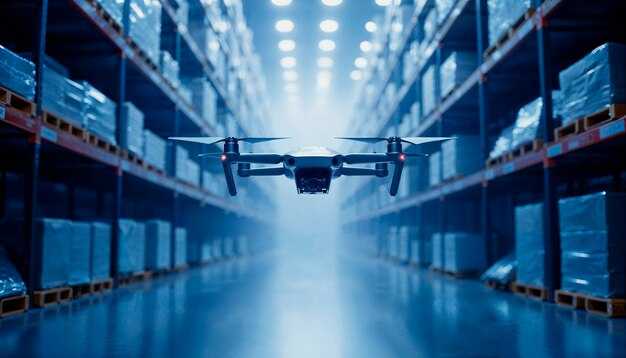
Implement end-to-end encryption for drone video and RFID data streams, and enforce role-based access to dashboards and logs. Automated key management, enabling secure, auditable workflows across the operation, strengthens the process from field to warehouse management and beyond. This approach enhances security posture.
Aplică principiul confidențialității încă de la proiectare, minimizează datele colectate și stabilește perioade de păstrare aliniate cu legile locale; când datele traversează frontiere, implicațiile financiare și de reglementare cresc, iar acordurile obligatorii de prelucrare a datelor sau clauzele contractuale standard ghidează transferurile. Definește ce elemente de date sunt colectate de la articole și în ce scop și documentează profilul de risc pentru fiecare tip de date pentru a sprijini utilizarea responsabilă la nivel global. Conformitatea necesită piste de audit clare și revizuiri periodice de către echipa de management.
Condițiile de iluminare și zgomotul senzorilor influențează fidelitatea datelor; proiectați fluxuri care păstrează vizibilitatea chiar și atunci când iluminarea este limitată. Instruirea periodică și modurile de testare integrate mențin dispozitivele funcționând conform așteptărilor. Verificările ghidează concentrarea asupra controalelor de confidențialitate, asigurându-se că verificările manuale obositoare sunt reduse la minimum, adesea automatizate pentru a răspunde anomaliilor.
Programul explorează modele de politici, compară capabilitățile furnizorilor și urmărește performanța în raport cu KPI-urile definiți într-un tablou de bord central. Aproximativ 99,5% din sarcinile utile stocate ar trebui să fie criptate în repaus, în timp ce monitorizarea de ultimă oră detectează anomalii în timpul transmiterii și capturii de date. Scopul este de a echilibra securitatea cu eficiența operațională, în special pentru implementările Verity și Maersk Pilot RFID Drone Technology for Warehouse Inventory Management la nivel global.