


У статьи есть несколько публичных языковых версий. Выберите нужную ниже.
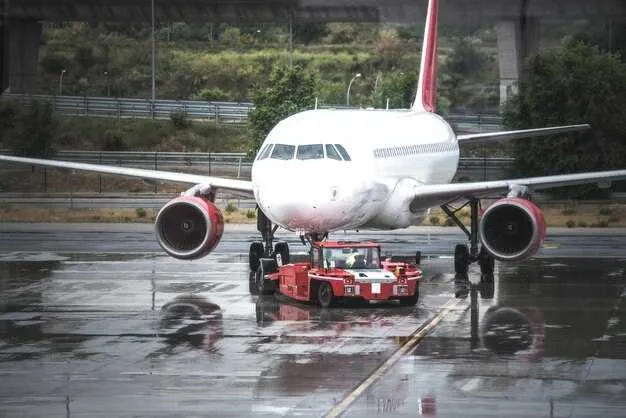
Рекомендуется, чтобы Boeing связал любое предложение о приобретении с измеримыми производственными и безопасностными вехами; не завершать условия, пока Spirit не решит выявленные производственные проблемы, не завершит документальные проверки установки и не примет обязательства по гарантии на уровне производителя, которые защищают клиентов и поставщиков.
Установите финансовые рычаги сейчас: разместите 150 миллионов долларов в условном эскроу для финансирования немедленного инструмента и ремонта установки, а также 75 миллионов долларов в резерве на рабочую силу и обучение, всего 225 миллионов долларов, чтобы ограничить денежные сюрпризы. Требуйте поэтапных корректировок поставок, которые соответствуют запланированному увеличению объема производства с проверенными качественными порогами, чтобы существующие заказы оставались защищенными, а затраты на доработку оставались ниже заявленной оценки в миллион долларов на срочные исправления.
Структурируйте управление вокруг независимого аудита и четкой отчетности для соответствующей администрации, с первым планом интеграции на 12 месяцев, основанным на внешних инженерных обзорах и еженедельных метриках. Включите сильное представительство совета для Boeing, позвольте Spirit сохранить операционную автономию в качестве поставщика и продолжайте исследовать кооперативные соглашения с другими производителями для совместного использования инструмента и запасной мощности. Настоятельно требуйте представления связанных корректирующих планов в течение 60 дней и связывайте будущие платежи с проверенными результатами для затронутых моделей, чтобы защитить сроки программ и долгосрочную стабильность поставок.
Стратегическая обоснованность предлагаемого приобретения Spirit Aero
Одобрите покупку, если сделка ограничивает денежные расходы для сохранения ликвидности, устанавливает цену, которая обеспечивает 12% IRR и сохраняет операционную автономию компании для обеспечения непрерывности обслуживания клиентов.
Обеспечьте емкость фюзеляжа и аэроструктур, где Boeing сталкивается с наибольшим риском поставок: детали Spirit критически важны для количества самолетов, поставляемых каждый квартал, а связь собственности снижает риск единственного поставщика, который может отразиться на расписаниях полетов, несмотря на то, что другие поставщики работают. Сохраните производственные слоты, чтобы клиенты видели меньше отложенных поставок, а рынок регистрировал стабильность, а не накапливание задолженности.
Получите маржу и предсказуемый денежный поток: синергия, ожидаемая на уровне 1,0–1,5 миллиарда долларов в течение 18–24 месяцев, более чем компенсирует затраты на приобретение, если интеграция удерживает неповторяющиеся расходы ниже 500 миллионов долларов. Структурируйте выплаты, связанные с своевременными поставками и качественными метриками, так, чтобы то, что платится, отражало фактическую ценность, а не амбициозные цели.
Управляйте операционным и репутационным воздействием проактивно: назначьте руководителя интеграции (назовите роль; рассмотрите Дэвида в качестве внутреннего спонсора) с сильным контролем программы, показателями KPI на уровне площадки и публичным планом обеспечения клиентов. Составьте карту, где находятся ключевые инструменты и рабочие доли, защитите соглашения с профсоюзами и проведите параллельный план смягчения для любых расследований аварий или задержек сертификации, которые все еще могут повлиять на графики испытаний полетов.
Установите временные рамки и точки принятия решений: завершите окончательные предложения к ноябрю, завершите глубокую проверку ранее для критических инструментов и контрактов с поставщиками и требуйте, чтобы условия закрытия включали регуляторное одобрение и согласие клиентов, где это имеет значение. Не предполагайте, что баланс компании Boeing сам по себе поглощает операционные риски; рассматривайте приобретение как целенаправленное промышленное хеджирование для клиентов и рынка, а не просто как финансовую арбитраж.
Какие возможности Spirit Aero закрывают текущие пробелы в поставках Boeing?

Приобретите Spirit, чтобы зафиксировать немедленную емкость фюзеляжа и композитных подсборок, что непосредственно снижает краткосрочные нехватки поставок Boeing и предоставляет платформу для стабилизации производства.
Spirit AeroSystems предлагает проверенные линии с высокой производительностью для секций фюзеляжа узкофюзеляжных самолетов и больших композитных панелей; эти линии обрабатывают сложные рамы, стрингеры и кожухи, которые в настоящее время создают узкие места для Boeing. Перенесите ту же работу по среднему фюзеляжу 737 и 787 в операции Spirit в Уичите и Кинстоне, чтобы освободить финальную сборку Boeing от повторяющихся задержек поставок и сократить время серийного потока для клиентов.
Оперативно приоритизируйте три действия: (1) расширьте емкость Spirit, финансируя целевой инструмент и скромный план найма рабочей силы для работы во вторую смену, где время такта показывает наибольшую вариацию; (2) перенесите последовательности сборки и испытательные приспособления в Spirit, чтобы консолидировать рабочие пакеты и сократить межсайтовый транспорт; (3) согласуйте инженерные и закупочные процессы с поставщиками, такими как Safran и другие Tier 1, чтобы облегчить передачу компонентов. Эти шаги ограничивают последствия предыдущих проблем с качеством и уменьшают количество задержек поставок, попадающих на финальные сборочные линии Boeing.
Установите четкие KPI и управление: руководители должны создать совместный производственный совет с еженедельной частотой, публиковать общие цели по своевременной доставке и работе в процессе, а также предоставлять следователям доступ к записям отслеживаемости для более быстрого разрешения коренных причин. Ожидайте измеримых улучшений в производительности в течение двух кварталов и смягчения рисков в течение 12 месяцев, если инвестиции в инструменты и набор рабочей силы будут продвигаться активно.
Сбалансируйте краткосрочные исправления с среднесрочной устойчивостью: преобразуйте временные рабочие переводы в постоянную емкость, где метрики улучшаются, используйте приобретение для централизации сложного структурного производства и держите клиентов в курсе с текущими графиками поставок, произведенными из консолидированных операций. Несмотря на затраты на интеграцию и одноразовые нарушения, этот подход превращает производственные возможности Spirit в предсказуемые поставки и снижает влияние программ для Boeing.
Какие продуктовые линии Spirit следует приоритизировать для интеграции?
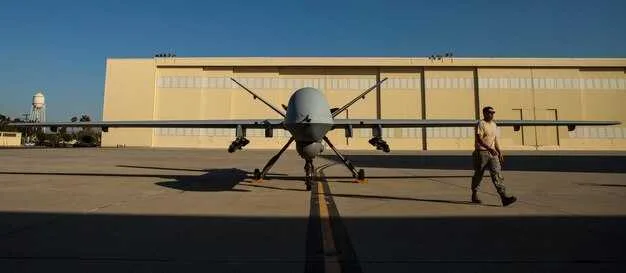
Приоритизируйте высокообъемные аэроструктуры Spirit – сборки крыльев (закрылки, предкрылки, центральный фюзеляж), ноздри и средние секции фюзеляжа, а не низкообъемные интерьеры и системы кабин; интегрируйте электронные системы и интерьеры позже, чтобы минимизировать нарушения.
Квантифицируйте приоритеты: крылья обычно обеспечивают наибольшую маржу вклада и сложность производства, представляя примерно 40–50% дохода от аэроструктур, сообщаемого Spirit, ноздри около 20–30%, секции фюзеляжа 15–25%, а интерьеры менее 10%; интеграция первых двух категорий захватывает наибольшие потенциальные сбережения и снижает подверженность постоянным нехваткам производства.
Установите временные рамки и темпы увеличения: завершите планы интеграции инженерии и качества в течение 6 месяцев, достигните первоначальных этапов передачи технологий к 9 месяцу и достигните устойчивого темпа производства в течение 12–18 месяцев. Нацеливайтесь на контролируемое увеличение на 3–5% в месяц, чтобы ограничить риск того, что нарушения передачи повлияют на поставки клиентам.
Защитите поставки и денежный поток во время передачи: сохраняйте существующие контракты с поставщиками в качестве резервного варианта и заменяйте единственных поставщиков только после того, как квалификационные испытания достигнут целевой доходности. Назначьте следователей для контроля за изменениями и отслеживаемостью на протяжении всего процесса передачи, чтобы снизить вероятность убытков и задокументировать соблюдение требований для регуляторов и клиентов.
Оцените финансовое воздействие: консервативное моделирование показывает, что интеграция крыльев и ноздрей в первую очередь может обеспечить 250–450 миллионов долларов ежегодного операционного улучшения к второму году после закрытия, с точкой безубыточности по затратам на интеграцию, как правило, достигаемой в течение 12–24 месяцев; этот результат улучшает будущую маржинальную устойчивость и снижает подверженность крупным штрафам.
Согласуйте управление и взаимодействие с клиентами: уведомите каждого крупного клиента и зафиксируйте согласованные темпы производства и испытательные вехи в контрактах; согласно ранним отзывам клиентов, минимальные изменения конфигурации предпочтительны, чтобы поставки оставались предсказуемыми. Руководство считает, что поэтапная интеграция с частыми контрольными точками для клиентов является правильным подходом.
Оперативный контрольный список: 1) Зафиксируйте объем – крылья, центральный фюзеляж, ноздри; 2) Назначьте 400–600 инженеров для систем и процессов передачи; 3) Определите ежемесячные KPI для доходности, уровня отходов и своевременности поставок от поставщиков; 4) Поддерживайте параллельные производственные потоки, пока не будут достигнуты качественные пороги; 5) Держите следователей и команды QA встроенными в течение первых двух лет, чтобы поймать постоянные проблемы и предотвратить избежание убытков.
Принимайте решения на основе измеренных вех, а не календарных целей: если показатели доходности и поставок все еще ниже порогов после согласованного периода увеличения, приостановите дальнейшие перемещения линий и сосредоточьтесь на исправлении коренных причин, чтобы интеграция обеспечивала устойчивое влияние на удовлетворенность клиентов и денежный поток компании.
Какие регуляторные одобрения и антимонопольные риски столкнется сделка?
Требуйте обязательных, исполнимых отчуждений конкретных линий фюзеляжа Spirit, а также многолетнего, недискриминационного соглашения о поставках и независимого надзора со стороны доверительного управляющего, прежде чем регуляторы одобрят сделку.
Процесс и риски в США: подайте уведомление Hart–Scott–Rodino (30-дневный период ожидания) и ожидайте детального обзора DOJ или FTC; регуляторы будут исследовать вертикальное исключение и обмен информацией, поскольку Boeing получит системную информацию и видимость заказов и поставок других производителей. Чтобы смягчить, предложите защитные меры, предотвращающие доступ закупок Boeing к коммерческим данным Spirit, и гарантируйте емкость для клиентов, не относящихся к Boeing, как минимум на 24 месяца. Предоставьте ежемесячные метрики производства, задолженности и графиков поставок, чтобы антимонопольные группы могли моделировать влияние на спрос и поставки.
Сроки в ЕС и Великобритании: Фаза I ЕС длится 25 рабочих дней, а Фаза II может продлиться около 90 рабочих дней; Фаза 1 CMA Великобритании составляет 24 рабочих дня, Фаза 2 до 24 недель. Регуляторы там будут проверять, снижает ли связь конкуренцию между поставщиками для авиакомпаний и может ли Boeing предпочесть свои собственные фюзеляжи и детали, усугубляя проблемы с поставками авиакомпаний. Предложите отчуждение перекрывающихся программ, где масштаб Spirit дает Boeing одностороннее преимущество, а также исполнимые условия недискриминационного ценообразования для как устаревших, так и новых платформ.
Китай, Бразилия и Канада: ожидайте более длительных проверок – SAMR Китая обычно занимает 9–12 месяцев, CADE Бразилии и Бюро Канады 3–6 месяцев в сложных случаях. Подготовьте целевые предложения по средствам для каждой юрисдикции: гарантии емкости для местных производителей, передачу прав на интеллектуальную собственность для отчужденных линий и местных доверительных управляющих для мониторинга соблюдения. Используйте прецеденты из сделок в области здравоохранения и других производств, где поведенческие меры не сработали, если они не поддерживались структурными отчуждениями.
Конкретные антимонопольные риски и меры:
| Риск | Доказательства, которые хотят регуляторы | Практическое решение |
|---|---|---|
| Вертикальное исключение (предпочтительное снабжение) | контракты, ценообразование, доступ к системной информации, недавние данные о поставках | отчуждение линий фюзеляжа; долгосрочные квоты поставок для третьих сторон; права на защитные меры и аудит |
| Снижение доступа конкурентов к частям/емкости | ежемесячные отчеты о емкости, задолженность по клиентам, сроки выполнения | гарантии емкости, варианты производства третьими сторонами, надзор доверительного управляющего |
| Координация и обмен информацией | внутренние коммуникации, общие ИТ/системные ссылки, рабочие процессы закупок | разделите команды, запретите потоки данных о конкурентах, независимый мониторинг |
| Концентрация рынка в конкретных сегментах | доли рынка для фюзеляжей и ключевых частей, затронутые клиенты (авиакомпании и производители) | структурное отчуждение перекрывающихся активов; лицензирование критической интеллектуальной собственности |
Практические шаги для команд по подаче заявок: предоставьте досье с точными цифрами для производственных линий, недель задолженности, ежемесячного объема, дат начала запланированных увеличений производства и предполагаемого воздействия компании на других производителей; включите контракты на поставку с сроками выполнения и историей цен. Параллельно взаимодействуйте с Джонатаном и Дэвидом (старшими бизнес-руководителями), чтобы подготовить заверенные декларации, ограничивающие доступ Boeing к коммерческим потокам Spirit, и обязать их к исполнимым планам диверсификации для клиентской базы Spirit.
Переговорная позиция: сначала предложите структурные меры, поддерживаемые узконаправленными поведенческими мерами; регуляторы предпочитают отчуждения, когда они и их конкуренты в противном случае столкнутся с долговременным ущербом. Отслеживайте сопоставимые результаты слияний в области здравоохранения и аэрокосмической отрасли, чтобы количественно оценить приемлемые сроки и системы мониторинга средств, и обязуйтесь к публичной отчетности о метриках соблюдения в течение как минимум трех лет после закрытия.
Как можно распределить риски интеграции между сторонами в условиях сделки?
Распределите риски интеграции, разделив обязанности на категории операционной непрерывности, миграции систем, удержания рабочей силы и емкости поставщиков и назначив владельца контракта для каждой категории.
Защитите денежный поток с помощью многоуровневого финансового удержания: 10–15% эскроу на 18-месячный период выживания, выплачиваемого в три транша, связанных с измеримыми KPI. Требуйте, чтобы продавец был уведомлен в течение 30 дней с момента пропуска KPI; если корректирующие действия не будут выполнены в течение окна исправления, средства автоматически переходят к средствам покупателя.
Структурируйте Соглашение о переходных услугах (TSA), которое указывает ежедневные SLA, пути эскалации и постоянную интеграционную панель с представителями обеих сторон. Не оставляйте неопределенным перекрытие: у каждой команды есть один руководитель интеграции, и участники панели получают письменные полномочия на принятие решений, чтобы избежать остановки операций. Представитель сказал, что встречи по интеграции должны проводиться еженедельно, ссылаясь на прошлые задержки, когда частота встреч снижалась.
Распределите долгосрочные риски через сочетание индемнитетов, ограниченных убытков и выплат, связанных с емкостью и показателями производительности. Переговорите о корзине и лимите, которые отражают количественно оцененный риск: оцените количество затронутых поставок, затем умножьте на стоимость за единицу, чтобы получить предел убытков. Юристы часто считают, что страхование R&W должно рассматриваться среди этих инструментов для ограничения двустороннего риска на основе определенных окон выживания репутации.
Определите права на вмешательство, кредит на услуги и триггеры прекращения для постоянных неудач: позвольте покупателю вмешаться в ключевые контракты с поставщиками, если цель не может увеличить емкость, и разрешите замену руководителей интеграции после фиксированного количества пропущенных вех. Отслеживайте метрики в общей панели управления с реальными данными, чтобы споры разрешались на основе данных, а не мнений.
Используйте бонусы за удержание и гарантии повторного найма, чтобы защитить передачу знаний и моральный дух сотрудников: свяжите часть цены покупки с порогами удержания и требуйте отчетности о численности, текучести кадров и производительности. Этот подход согласует стимулы и снижает неожиданные сюрпризы после закрытия для обеих сторон.
Операционное воздействие на производство и цепочку поставок Boeing
Создайте кросс-функциональную группу быстрого реагирования сейчас: создайте команду по интеграции поставщиков, опубликуйте пересмотренную политику буферов деталей (цель: 8 недель для критических комплектов) и уведомите клиентов и правительство, включая необходимые одобрения, в течение семи календарных дней.
- Краткосрочные операции (0–3 месяца)
- Стабилизируйте поток, перераспределив запасы из менее приоритетных программ на узкофюзеляжную линию; держите как минимум 2 месяца впереди для долгосрочных позиций, чтобы избежать задержек поставок.
- Заморозьте набор на стратегические роли, затем увеличьте набор рабочей силы, если текучесть превышает 6% в год; отслеживайте текучесть на производственном этаже еженедельно и финансируйте целевые бонусы за удержание.
- Увеличьте коммуникацию с поставщиками: уведомите различных поставщиков о новых окнах графиков, задокументируйте последствия и запросите обязательства по емкости к контрольным точкам ноября.
- Краткосрочные действия (3–12 месяцев)
- Увеличьте двойные источники, где растет риск единственного источника; приоритизируйте поставщиков, которые производят структурно аналогичные детали (например, крепежи, кронштейны), чтобы восстановить непрерывность операций.
- Переговорите временные гарантии поставок со стратегическими партнерами – Safran для сборок, связанных с двигателями, и другими Tier-1, и формализуйте штрафы и стимулы, связанные с своевременными поставками.
- Корректируйте график производства, чтобы отразить реалистичный объем: примите контролируемое снижение объема сейчас, чтобы предотвратить каскадные задержки поставок позже, затем увеличьте объем перед пиковым рыночным спросом.
- Среднесрочная устойчивость (12+ месяцев)
- Инвестируйте в модернизацию емкости у критических поставщиков и ускорьте одобрения капитальных затрат на инструменты, которые делают поток менее чувствительным к сбоям на одном сайте.
- Создайте резерв запасных частей, рассчитанный на покрытие 12 недель неожиданной текучести или перебоев в поставках, пока темпы программ увеличиваются до целевых уровней.
- Координируйте с правительством сроки сертификации и контингентные отказы, чтобы повторная сертификация не создавала задержек в поставках.
Конкретные метрики для отслеживания еженедельно: скорость потока деталей (штуки/час), недели критических деталей в наличии, доступность рабочей силы (FTE на линии), процент своевременности поставок от поставщиков и тенденция текучести. Установите пороговые значения: снижение потока деталей >10% вызывает экстренное источение; OTD поставщика <85% вызывает эскалацию; рост текучести >2 процентных пункта месяц к месяцу вызывает целевые действия по удержанию.
Операционные воздействия, которые бизнес должен управлять сейчас:
- Увеличивающаяся задолженность, которая сжимает гибкость графика и увеличивает давление на логистику и послепродажное обслуживание.
- Высокая текучесть на производстве, которая снижает производительность; выделите бюджет для снижения текучести и инвестируйте в обучение, чтобы ускорить квалификацию новых сотрудников.
- Перебои в потоке цепочки поставок, которые делают поздние поставки более вероятными; создайте временные буферные линии и варианты сверхурочной работы в выходные дни, чтобы восстановить ритм.
Коммерческие и рыночные действия: пересмотрите обязательства по поставкам для рынка с прозрачными вехами, объясните пересмотренные сроки крупным клиентам и лизингодателям, и сделайте целевые предложения (компенсационные рейсы, скидки за поздние поставки), где это позволяет контракт. Boeing ожидает, что нарушения снизят краткосрочные поставки, но увеличат конверсию заказов позже, если надежность улучшится.
Управление и коммуникация: публикуйте еженедельную оперативную панель, пусть руководители программ информируют заинтересованные стороны перед ключевыми этапами, и держите регуляторов и государственные закупочные офисы в курсе материальных изменений. Четкие, частые уведомления снижают вторичные последствия и помогают поставщикам планировать рабочую силу и капитал.
Рекомендация по завершению: действуйте быстро, чтобы создать интеграционную группу, обеспечьте 8-недельный буфер критических деталей и выполните диверсификацию поставщиков с партнерами, такими как Safran и несколько Tier-1; эти шаги сделают операции достаточно устойчивыми, чтобы соответствовать пересмотренным графикам и защитить экономику программ, пока рынок восстанавливается.