


 Русский
  English (UK)
  العربية
  日本語
日本語  한국어
한국어  Magyar
  Türkçe
  Español
  Čeština
  Svenska
  Português
  Ελληνικά
  Suomi
Suomi  Nederlands
  Română
  Italiano
  Français
  Polski
  Українська
  Deutsch
  简体中文
简体中文  Slovenčina
 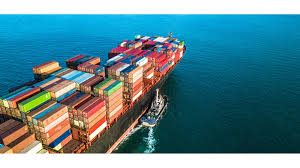 South Africa Prepares to Launch Africa’s First Ammonia-Powered Green Shipping Corridor from Saldanha Bay to Rotterdam by 2029">

The Dawn of Africa’s Green Shipping Corridor
South Africa is embarking on an ambitious journey to develop Africa’s first green shipping corridor, envisioning ammonia-powered iron ore carriers plying the route between Saldanha Bay and Rotterdam as early as 2029. This effort positions the country as a potential trailblazer in zero-emission maritime trade between the Global South and Europe, setting a precedent with far-reaching implications for sustainable logistics and global freight operations.
Feasibility and Vision for Zero-Emission Maritime Trade
Recent studies by the Global Maritime Forum and the Rocky Mountain Institute spotlight the technical and commercial viability of the Saldanha–Rotterdam iron ore corridor, projecting full decarbonization by 2035. This detailed analysis incorporates insights from stakeholders including Anglo American, CMB.TECH, Freeport Saldanha, VUKA Marine, and ENGIE, outlining a clear timeline for shipowners and fuel suppliers.
Key to this phased approach is synchronized progress across policy, infrastructure, and business collaboration. Blending public and private funding is emphasized as vital for spurring infrastructure investments while mitigating early financial risks—something stakeholders describe as a “must” for accelerating the transition.
Saldanha Bay’s Strategic Role in Global Bulk Shipping
Saldanha Bay serves as South Africa’s principal iron ore export terminal and a powerhouse in bulk shipping, handling roughly 30 to 32 million tonnes annually—accounting for almost 96% of the country’s iron ore exports. The Netherlands, with about 8.3 million tonnes received in 2023, anchors Rotterdam as a European strategic hub, reinforcing the corridor’s importance in international green logistics.
| Ключевая статистика | Данные |
|---|---|
| Annual Iron Ore Export via Saldanha Bay | 30-32 million tonnes |
| Port’s Share to the Netherlands (2023) | 8.3 million tonnes (~25%) |
| Projected Green Ammonia Demand by 2035 | 89-350 kilotonnes annually |
Driving the Hydrogen Economy Forward
The green corridor is not just a shipping initiative but a catalyst for the emerging hydrogen economy in South Africa. Linking renewable energy production potential with Europe’s demand for clean industrial inputs, this corridor could become the backbone for green ammonia production, electrolyser manufacturing, and storage infrastructure, particularly in the Western Cape. The mid-range demand estimate of 147 kilotonnes of green ammonia annually signals significant industrial growth opportunities.
Commercial Availability & Voyage Plans
Ammonia-fueled bulk carriers are expected to hit the commercial market in 2028, with the corridor’s inaugural voyage targeted for 2029. Under high-demand scenarios, the corridor could facilitate up to 22 ammonia-powered shipments annually by 2035. Coordinated policy efforts could see the first zero-emission shipment sailing before 2030, marking a pivotal moment in maritime logistics.
The Economic Challenge: Cost of Green Ammonia
One cannot ignore the elephant in the room — green ammonia costs currently run two to three times higher than traditional heavy fuel oil. This price discrepancy inflates vessel lifetime costs from an estimated $236 million to up to $452 million. However, tightening emissions regulations in Europe, including the Emissions Trading System and FuelEU Maritime initiatives, are expected to shrink this cost gap by about 60% by 2026. Forecasts indicate potential cost parity between green and fossil fuels could be achieved by 2035 if carbon prices climb and technology advances as anticipated.
Port Infrastructure and Operational Readiness
Initially, bunkering for ammonia-powered vessels will be based in Rotterdam, leveraging its advanced ammonia handling setup. Meanwhile, Saldanha Bay is aggressively developing its infrastructure to become the corridor’s long-term green ammonia production and refuelling hub. Although domestic production costs stand higher than imports—at around $2,740 per tonne compared to $1,820–2,000 from Texas—these costs may decrease as renewable energy capacity and logistics improve locally.
Policy and Coordination: The Critical Hurdles
The greatest challenge for this green corridor lies in effective coordination. Shipowners bear the brunt of upfront investments, yet the carbon reductions favor miners and buyers. Without stable demand through long-term agreements, producers hesitate to commit investments. This calls for innovative financing models such as joint ventures and shared-risk partnerships to bridge gaps.
Another blockade is the need for clearer regulations, especially around ammonia handling and expedited port permits. Waiting for international consensus could mean losing the lead to other regions. Recognition of ammonia as a marine fuel and establishing solid long-term contracts between producers, miners, and shippers are urgent. Additionally, blended funding from institutions like the European Investment Bank is critical to lower capital costs.
Green Shipping Ambitions Across Africa
This pioneering spirit is not confined to South Africa. Across the continent, countries like Namibia, Morocco, Egypt, and Mauritania are spearheading large-scale hydrogen and ammonia projects. Collectively, these are setting up a network of green fuel hubs that could reshape the future of regional and international shipping routes.
- Namibia’s Hyphen and Enertrag-backed projects target gigawatt-scale renewables and green ammonia exports.
- Марокко is moving forward with over $30 billion in hydrogen and ammonia investments.
- Egypt’s Ain Sokhna projects focus on ammonia exports and fueling ships passing through the Suez Canal.
- Mauritania is accelerating large hydrogen initiatives to energize shipping lanes in West Africa.
Building Momentum at Home and Beyond
Back in South Africa, the Saldanha Bay Special Economic Zone incubates early hydrogen and ammonia ventures with partners including Freeport Saldanha and ENGIE. Nearby regions, such as Boegoebaai and Namibia’s Erongo, are expected to complement these efforts, together surpassing an estimated 700 kilotonnes of annual green ammonia production by 2035. This output would sufficiently meet corridor demand while stimulating local industries.
Summary of Key Insights and Moving Forward
This ground-breaking project could redefine South Africa’s role in maritime logistics — not merely exporting raw minerals but providing clean fuel, cutting-edge technology, and new economic credibility. If executed well, it would enhance the country’s export competitiveness, secure the future of vital port infrastructure, and anchor a hydrogen-driven industrial sector, closely aligning with sustainable energy transitions worldwide.
Почему это важно для логистики
Clearly, the move toward ammonia-powered shipping reshapes global freight dynamics, but this transformation isn’t just about the big players—it’s about making the whole supply chain greener, more sustainable, and far-reaching. Saldanha Bay’s green corridor is poised to set a benchmark in forwarding, haulage, and bulk shipping, impacting international freight and parcel logistics, especially for heavy and bulky cargo. The timing aligns with increasingly stringent shipping regulations and the demand for decarbonized maritime transport, signaling a future where zero-emission vessels could be the new standard in global distribution.
Personal Experience vs. Reviews: The Final Word
While comprehensive studies and expert reviews give us a solid glimpse into the future of green shipping corridors, nothing quite beats firsthand experience. On platforms like GetTransport.com, customers can tap into reliable, affordable global cargo transportation services that cater to everything from office and home relocations to bulky items like vehicles and furniture. The convenience and transparency offered here allow you to make smart choices without breaking the bank or getting stuck in red tape.
Забронируйте поездку на GetTransport.com to experience efficient, worldwide freight services tailored to the demands of an evolving logistics landscape.
Looking Ahead: Impact on Global Logistics
The South Africa–Europe green shipping corridor is still a regional initiative but carries outsize significance as a model for zero-emission maritime trade. While the immediate global impact may be modest, it signals how shipping routes can evolve sustainably, encouraging other regions to follow suit. As GetTransport.com keeps pace with such developments, it ensures customers access to innovative, eco-friendly solutions across international logistics. Start planning your next delivery and secure your cargo with GetTransport.com.
В заключение
The plans for Africa’s maiden green shipping corridor reflect a remarkable fusion of innovative technology, policy support, and strategic partnerships aimed at redefining maritime freight from Saldanha Bay to Rotterdam. This corridor promises a future where emissions are slashed without sacrificing commercial viability, catalyzing local hydrogen economies while anchoring global supply chain sustainability.
Whether it’s bulk iron ore shipments or other cargo movements, embracing green fuels like ammonia will transform shipping logistics—aligning perfectly with the ethos of platforms like GetTransport.com, which offer affordable, dependable global freight solutions catering to diverse transportation needs. From house moves to bulky item shipments, leveraging such platforms ensures that logistics professionals and customers alike are armed with smart, environmentally conscious choices for efficient transport.