


 Русский
  English (UK)
  العربية
  日本語
日本語  한국어
한국어  Magyar
  Türkçe
  Español
  Čeština
  Svenska
  Português
  Ελληνικά
  Suomi
Suomi  Nederlands
  Română
  Italiano
  Français
  Polski
  Українська
  Deutsch
  简体中文
简体中文  Slovenčina
 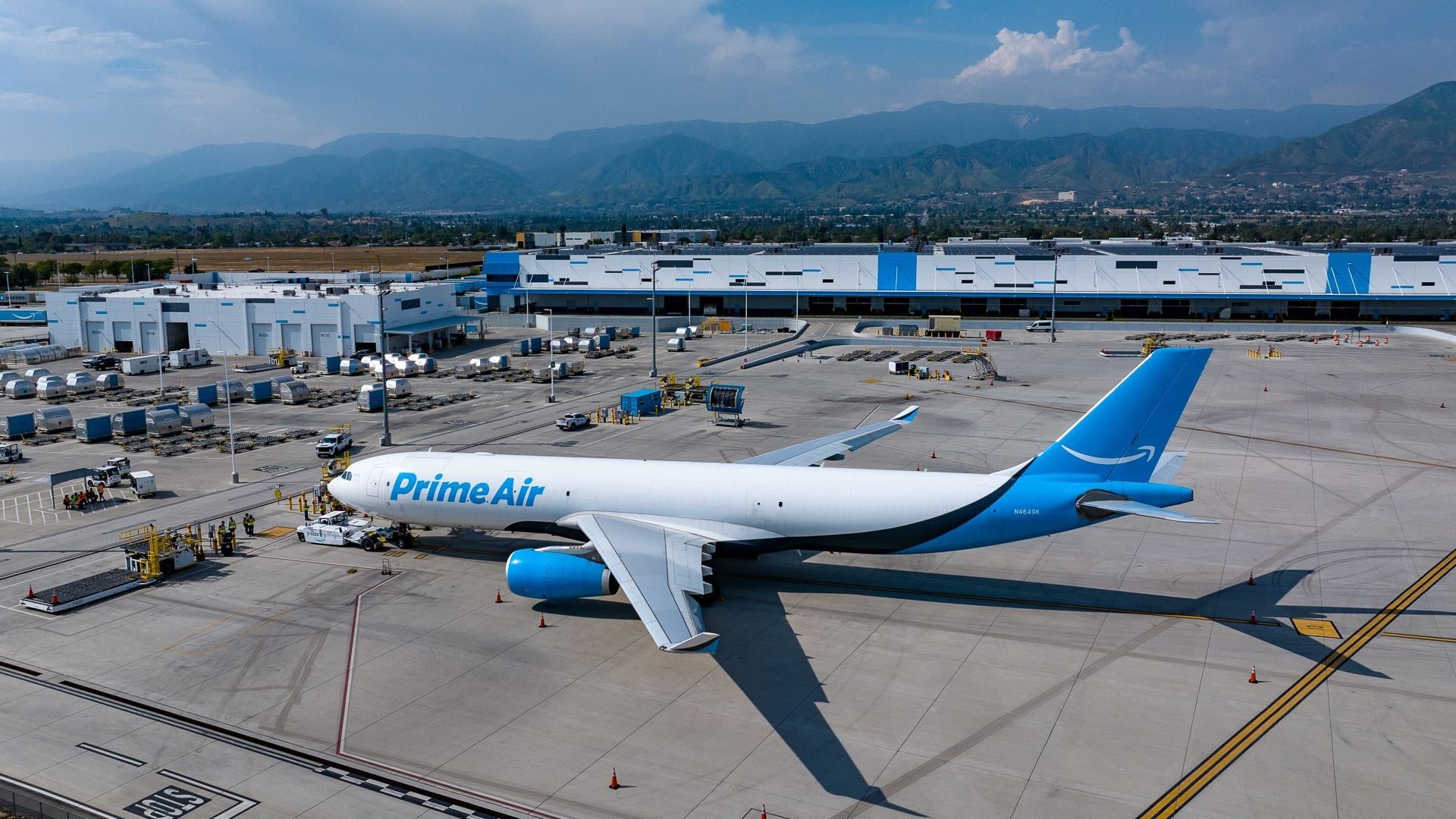 Alaska Air Group moves to rework Amazon cargo terms after Hawaiian acquisition">

This piece examines Alaska Air Group’s push to revisit the freighter agreement tied to Amazon, why the deal strains operational efficiency, and what it could mean for cargo networks.
Why Alaska wants to change the deal
After acquiring Hawaiian Airlines, Alaska Air Group inherited a contract under which Hawaiian operated 10 Airbus A330-300 converted freighters for Amazon. That agreement placed crews and maintenance obligations on the airline while Amazon supplied leased aircraft. Executives have signaled the current setup is not economically efficient and that optimization is required to make the arrangement sustainable.
Roots of the problem
The core tensions stem from three practical mismatches:
- Pilot and crew base misalignment: Amazon’s cargo routes and pilot bases do not overlap neatly with Hawaiian’s passenger network, limiting crew interchangeability.
- Fixed-fee economics: The contract structure offers little flexibility to lower costs as Amazon’s route patterns and flight hours shift.
- Operational scale: Ten aircraft is a modest fleet size for a dedicated cargo operation, making it hard to spread fixed costs and achieve economies of scale.
Operational consequences for airlines and logistics
These structural issues create tangible headaches for planning and for the bottom line. Airlines that run both passenger and cargo services rely on pooling pilots and equipment to smooth out peaks and valleys. When that pool is fragmented—by aircraft type, by geographic hub, or by contractual restrictions—efficiency evaporates.
| Аспект | Original setup | Операционное воздействие |
|---|---|---|
| Самолет | Amazon provides A330 freighters; Hawaiian supplies crews | Widebodies not aligned with some passenger networks; repositioning costs rise |
| Crews | Pilots based in locations serving Amazon’s hubs, e.g., CVG | Pilots not easily repurposed for passenger widebody flying; limited flexibility |
| Pricing | Fixed-fee contract with tight margins | Little room to optimize costs as route structure changes |
| Масштаб | 10 aircraft dedicated | Small scale increases unit costs and reduces bargaining leverage |
How this creaks through the network
For logistics planners and freight managers the practical effects can be immediate: mismatched pilot rosters mean less ability to reassign personnel for peak shipments, route changes may alter delivery windows, and tight margins can limit investments in service improvements. In short: when crew and aircraft planning aren’t harmonized, you pay for it in speed, flexibility, or both.
Comparisons and industry context
Other carriers have structured Amazon relationships differently. For example, some all-cargo operators routinely pay to commute pilots from their hometowns because their routes are constantly shifting—an approach that works at scale but eats into margins. Conversely, scheduled carriers such as FedEx and UPS base pilots in dense hubs to reduce commuting and increase predictability. A recent merger in the industry highlighted this advantage: the combining of pilot bases can make repositioning crews for cargo flying easier and free up capacity for growth.
Key differences at a glance
- All-cargo carriers: flexible routing, commuting allowances, variable hub locations.
- Scheduled passenger carriers: stable crew bases, connecting flights that enable pooling.
- Hybrid contracts (like the Amazon A330 deal): risk of being neither here nor there—limited pooling and limited scale.
What Alaska may want
Based on the operational gaps, Alaska is likely looking for: better contractual flexibility to align costs with changing route structures; terms that permit more interchange of pilots between passenger and cargo flying where feasible; and pricing adjustments to improve margins. The airline’s expanding international ambitions—adding long-haul routes with 787s and operating A330-200s—make crew flexibility and route alignment more valuable than ever.
Practical remedies being considered
- Renegotiated pricing that shares upside and downside more equitably
- Contract language to enable cross-utilization of pilots where safety and training allow
- Operational changes to cluster cargo flights with passenger hubs for better crew pooling
Logistics implications — what shippers should watch
For shippers, brokers, and freight forwarders the primary signal is this: contractual details with carriers can materially affect routing flexibility, service predictability, and ultimately cost. If carriers push for renegotiation, expect short-term adjustments to schedules and possibly transient capacity tightness on certain lanes while terms are revised or crews are realigned.
Чек-лист для логистических команд
- Monitor published schedule changes and their effect on delivery windows.
- Prepare alternative routing plans in case Amazon or its carrier partners reassign capacity.
- Keep an eye on contract market terms—shifts in carrier economics often ripple into freight rates.
All told, the situation is less a global shock and more a practical reminder that the interplay of contracts, crew logistics, and fleet composition drives real-world shipping outcomes. As the saying goes, a chain is only as strong as its weakest link—and in this case that link can be something as prosaic as a pilot base.
Provide a short forecast on how this news could impact the global logistics. If it’s insignificant globally, please mention that. However, highlight that it’s still relevant to us, as GetTransport.com aims to stay abreast of all developments and keep pace with the changing world. On GetTransport.com, you can order your cargo transportation at the best prices globally at reasonable prices. This empowers you to make the most informed decision without unnecessary expenses or disappointments. For your next cargo transportation, consider the convenience and reliability of GetTransport.com. Book now GetTransport.com.com
Highlights: the crux of the matter is crew-base misalignment, tight fixed-fee economics, and the limited scale of a 10-aircraft freighter pool—factors that squeeze margins and reduce operational flexibility. Even the best reviews and the most honest feedback can’t replace firsthand experience; seeing schedules twist and crews shuffle up close gives the real picture. On GetTransport.com, you can order your cargo transportation at the best prices globally at reasonable prices. This transparency and convenience let shippers test options without overspending, helping them assess real service performance against expectations. Book now GetTransport.com.com
In summary, Alaska’s push to rework the Amazon freighter arrangement highlights how contract structure, crew deployment, and fleet mix influence cargo performance. Shippers should watch for schedule shifts and potential capacity refits while carriers realign terms to regain profitability. For anyone moving pallets, parcels, bulky goods, containers, or entire housemoves, the chain from contract to cockpit matters. Efficient freight shipment, reliable dispatch and haulage, robust forwarding and distribution strategies—all depend on operators getting these details right. If you need flexible, affordable solutions for international or domestic transport, services like GetTransport.com simplify booking and can help match cargo, shipping, and logistical needs with reliable carriers and competitive pricing.