


 Русский
  English (UK)
  العربية
  日本語
日本語  한국어
한국어  Magyar
  Türkçe
  Español
  Čeština
  Svenska
  Português
  Ελληνικά
  Suomi
Suomi  Nederlands
  Română
  Italiano
  Français
  Polski
  Українська
  Deutsch
  简体中文
简体中文  Slovenčina
 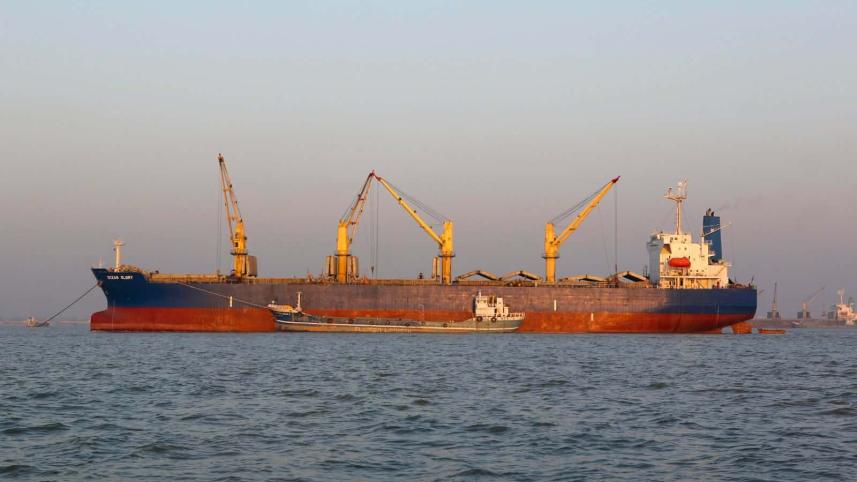 How Bangladesh Can Elevate Its Shipping Registry to Boost Maritime Jobs and Global Trade">

Bangladesh’s Maritime Identity and Its Current Limitations
With a coastline stretching approximately 700 kilometers and a rich maritime heritage, Bangladesh is naturally positioned to be a significant player in global shipping. The country boasts established marine academies and one of the largest ship-recycling industries worldwide, making its maritime workforce a valuable asset. However, the national maritime policy firmly remains tethered to an outdated system that restricts growth and foreign cooperation.
Presently, the shipping registry of Bangladesh is essentially a closed book, allowing only vessels majority-owned by Bangladeshi entities to register under the national flag. This model has inadvertently boxed the country into a corner, with just 95 ships flying its flag as of 2023. In comparison, countries like Panama, Liberia, and the Marshall Islands, despite fewer geographic advantages, have opened their registries internationally and reaped massive economic and strategic benefits.
Consequences of a Closed Ship Registry
Bangladesh’s restrictive ownership requirement discourages foreign-owned vessels from registering, as they can find friendlier waters elsewhere, with lower taxes and less red tape. Domestic shipowners often sidestep the national registry in favor of Panama or Malta, where the process is streamlined and global support is plentiful. This trade-off means that Bangladesh’s flag is mostly seen on coastal or small domestic vessels, leaving a vast ocean of opportunity untapped.
The impact cascades beyond just numbers—this narrow registry results in lost revenue, limited diplomatic influence in international maritime forums, and arguably the harshest blow: stifled employment opportunities for Bangladeshi maritime cadets and officers who face a shortage of training berths and sea time essential to progress their careers.
The Workforce Dilemma: Talent vs. Opportunity
Bangladesh annually produces a considerable number of skilled maritime graduates through rigorous academic and practical training. Yet, their ability to gain necessary off-shore experience is bottlenecked by the small size of the national fleet. Consequently, many qualified young professionals find themselves either unemployed or underemployed, a paradox given the cyclical global shortages of trained officers.
This talent-versus-opportunity mismatch is a glaring systemic flaw. To strengthen the maritime sector, Bangladesh must simultaneously grow its fleet and ensure a steady pipeline of employment and training platforms for its workforce.
A Roadmap for Reform: Embracing an International Open Registry
The way forward lies in adopting a public-private partnership (PPP) model to create a modern, internationally open ship registry. Such a system would welcome foreign-owned ships under the Bangladeshi flag while maintaining stringent regulatory oversight and sovereignty. This approach has been successfully implemented by nations like Liberia, the Marshall Islands, and Panama, allowing them to leap into the global registry arena without building everything from scratch.
In this partnership, the state’s role focuses on control and standard enforcement, while an experienced private partner handles marketing, customer service, digital certifications, and compliance assistance. This balance fosters efficiency, profitability, and international acceptance.
| Страна | Registry Model | Основные характеристики | Преимущества |
|---|---|---|---|
| Панама | Open international registry with PPP | Streamlined taxation, global service networks | Largest ship registry worldwide, strong economic influence |
| Liberia | Public-private partnership | Global marketing, strict oversight | Rapid fleet growth, seafarer employment opportunities |
| Marshall Islands | PPP with international operators | Efficient digital certification, regulatory compliance | Strategic shipping hub, training platforms |
| Bangladesh (Current) | Closed registry, majority local ownership | Limited foreign participation | Small fleet, limited training berths, revenue loss |
Learning from Regional Leaders: India’s Shipping Renaissance
Close neighbor India has shown what focused intent and policy reform can achieve. Through updated cabotage laws, revamped merchant shipping legislation, targeted incentives, and digital registration processes, India attracted global shipping giants like MSC to re-flag dozens of vessels to the Indian registry. The result? More ships under its flag and increased job opportunities for Indian seafarers.
India’s ambitious plan to re-flag at least 300 foreign ships by 2030 is part of a broader strategy to lower freight costs, build logistics resilience, and develop a formidable maritime workforce. This example underscores a vital lesson for Bangladesh: growth stems not from chance but from deliberate, strategic policy intent.
Boosting Maritime Employment through Registry Incentives
A reformed registry for Bangladesh could incorporate built-in requirements or incentives to employ Bangladeshi cadets and officers. Measures such as mandatory cadet berths, officer training quotas, and fee reductions for compliant vessels would turn every newly registered ship into a floating classroom and job platform.
This concept has proven effective in similar registries worldwide, including Liberia and Cyprus, aligning maritime workforce development with registry expansion.
Reconsidering Criticisms of Open Registries
Detractors sometimes paint open registries as schemes benefitting foreign shipowners at the expense of national interests. But modern registries are sovereign services offering legal order, regulatory oversight, and compliance infrastructure that strengthen, not weaken, national capacity. The true risk is clinging to old, closed models and watching neighboring nations surge ahead, reaping benefits in revenue, influence, and human capital.
Steps Toward a Maritime Future: Policy and Implementation
For Bangladesh to catch the maritime tide, political will is essential. Legal reforms should enable a dual registry system—a closed registry for domestic vessels and an open registry for foreign-owned ships. A transparent, competitive process should appoint an experienced global registry operator under state supervision to manage daily activities.
Moreover, digitalization must be embedded as a standard practice to ensure fast, paperless, and accessible global services. Coupled with strict compliance and authorized inspections by recognized classification societies, these measures form the foundation of a modern, competitive maritime registry.
Summary and Logistics Relevance
Bangladesh stands at a maritime crossroads: with considerable geographic advantage and a skilled workforce, it could become a notable flag on international shipping lanes. However, current registry restrictions have confined the nation to a marginal role, forgoing revenue, limited influence, and lost talent development opportunities.
Opening the registry through a modern PPP structure would unlock economic benefits, maritime job growth, and enhanced global stature. The country could leverage models proven successful by others, with India’s recent reforms offering a vivid example of focused strategic planning.
From a logistics perspective, such developments can make a substantial difference. A bigger, internationally recognized Bangladeshi fleet would increase freight traffic options, create reliable ship availability, and enhance operational flexibility for cargo movement. This would have positive ripple effects on global shipping routes, international forwarding, and haulage services, directly impacting freight logistics efficiency worldwide.
Making Informed Choices with GetTransport.com
While expert reviews and data offer valuable insights, nothing beats firsthand experience when it comes to cargo transport decisions. GetTransport.com empowers shippers with access to competitive prices for global cargo transportation, offering a versatile platform for diverse needs—from office and house moves to bulky goods and vehicle shipping.
This transparency and convenience help users avoid unnecessary expenses and surprises. With its extensive choice of transport providers and services, GetTransport.com aligns perfectly with the theme of expanding global maritime and logistics opportunities. Book your Ride with GetTransport.com and experience effortless cargo shipment coordination today.
Looking Ahead: The Impact on Global Logistics
The transformation of Bangladesh’s shipping registry might seem a small ripple on the vast sea of global logistics. Yet, it embodies the forward momentum critical for emerging maritime nations aiming to leave a bigger footprint. Though the immediate global impact may be modest, keeping pace with such developments signals readiness to participate actively in international freight, forwarding, and distribution systems.
As GetTransport.com continues to monitor such trends, it remains committed to offering clients reliable, affordable, and efficient transport solutions worldwide, helping business and personal movers alike navigate the evolving landscape. Start planning your next delivery and secure your cargo with GetTransport.com.