


 Русский
  English (UK)
  العربية
  日本語
日本語  한국어
한국어  Magyar
  Türkçe
  Español
  Čeština
  Svenska
  Português
  Ελληνικά
  Suomi
Suomi  Nederlands
  Română
  Italiano
  Français
  Polski
  Українська
  Deutsch
  简体中文
简体中文  Slovenčina
 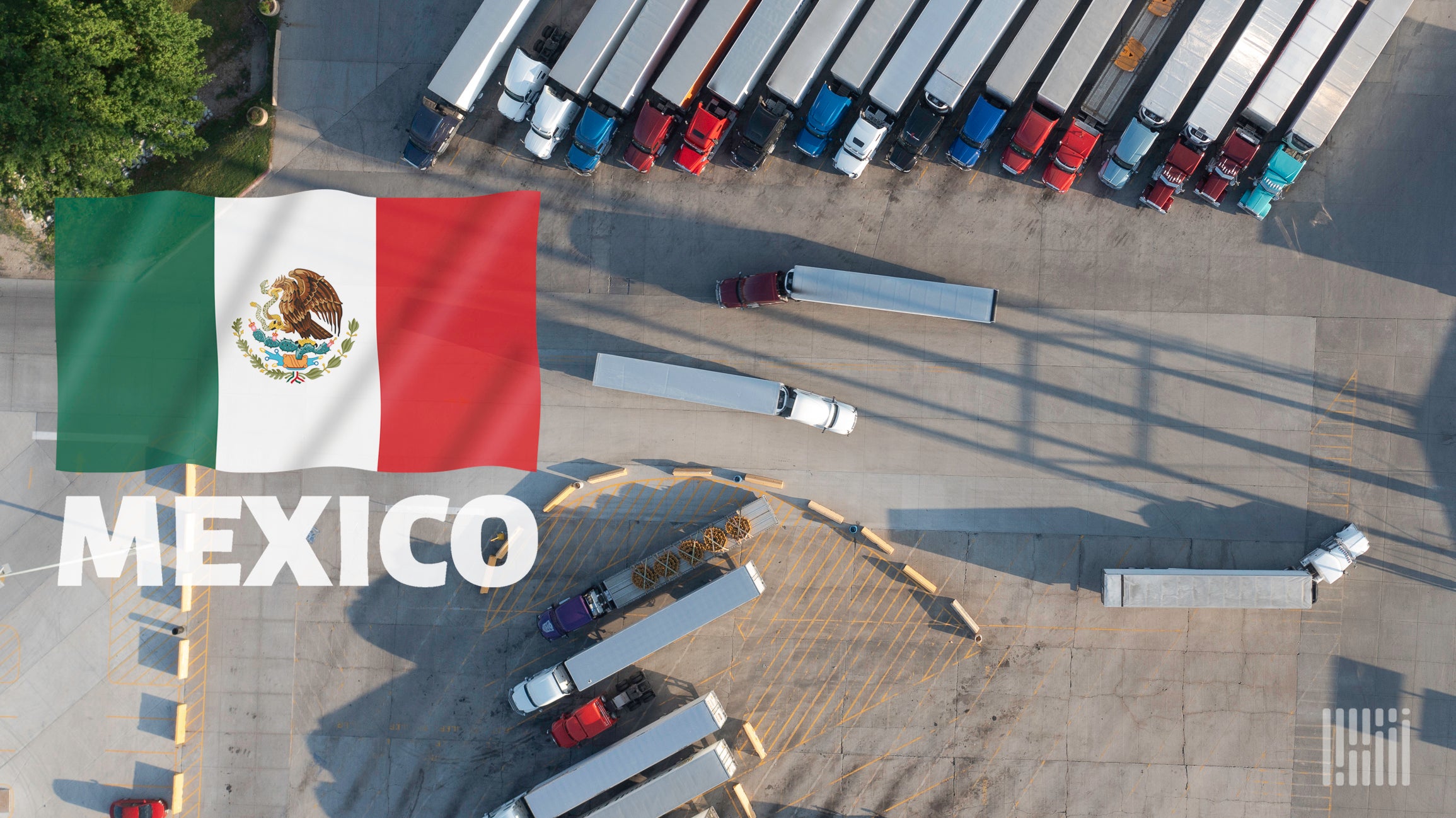 New $430M Intermodal Terminal in Cancún to Enhance Cargo Flows and Regional Connectivity">

A New Freight Hub in Cancún Integrates Key Rail Corridors
Construction is underway on a massive $430 million intermodal cargo terminal in Cancún, designed to be a crucial link between the burgeoning Mayan Train and the much-anticipated Interoceanic Corridor of the Isthmus of Tehuantepec (CIIT). Spanning 645 acres, this terminal aims to revolutionize freight transport in southeastern Mexico by facilitating smoother cargo flow across regions and even into the U.S. market.
Strategic Connections: Mayan Train and CIIT
The Mayan Train, a rail project threading through Chiapas, Tabasco, Campeche, Yucatán, and Quintana Roo, has primarily been targeted at boosting tourism. However, freight facilities like the new Cancún terminal provide an added dimension—stimulating economic growth by integrating passenger and cargo rail services.
The CIIT complements this by upgrading a 188-mile rail line across the narrowest stretch of Mexico at the Isthmus of Tehuantepec, connecting the Gulf of Mexico and the Pacific Ocean. Its grand vision is to serve as a maritime transport alternative to the Panama Canal, with a projected capacity to handle up to 1.4 million TEUs annually by 2026.
Infrastructure Designed for Efficiency and Capacity
The Cancún Multimodal Terminal is set to become the first of several cargo hubs planned along the Mayan Train. The project blueprint includes a comprehensive suite of 28 support facilities, ranging from public and bonded warehouses to hazardous waste storage, fuel stations, truck access points, and weigh stations. These amenities ensure the terminal is equipped to handle diverse cargo types effectively.
| Характеристика | Описание |
|---|---|
| Site Area | 645 acres |
| Инвестиции | $430 million |
| Support Facilities | 28, including warehouses, fuel stations, hazardous material storage |
| Возможность подключения | Linked to Mayan Train and Interoceanic Corridor |
Bigger Picture: Regional Economic Growth and Cargo Diversification
Transportation hubs along the Mayan Train route, including Palenque, Poxilá, and Progreso, will complement Cancún’s growing terminal network. These nodes are expected to handle a broad variety of freight such as fuel, steel, cement, grains, perishables, and automobiles, facilitating an intermodal system unlike any the region has seen.
By linking the eastern and western coasts of Mexico, the CIIT will especially benefit U.S. shippers by offering faster, more scalable routes to East and West Coast markets via Mexico. The development is anticipated to become a logistical growth pole, attracting increased cargo volumes and boosting local economies along the corridor.
Environmental Considerations Stir Debate
While the economic and transport benefits are evident, the project has sparked environmental concerns. The clearing of 645 acres of rainforest for terminal construction threatens local biodiversity, with environmental groups warning about risks to native species. This echoes a familiar tension between infrastructure development and environmental preservation.
Environmental impact assessments have been conducted, and although the Mexican Secretariat of Environment and Natural Resources granted approval, the challenge remains to balance growth with ecological stewardship. The way forward involves monitoring, mitigation efforts, and perhaps innovative logistics solutions that minimize the environmental footprint.
Table: Benefits vs. Environmental Concerns
| Аспект | Positive Impact | Environmental Challenge |
|---|---|---|
| Экономика | Job creation and regional economic stimulation | Potential disruption to local ecosystems |
| Логистика | Streamlined freight flows, alternative to traditional shipping routes | Land and resource use concerns |
| Инфраструктура | Modernized, large-scale cargo facilities with multiple services | Deforestation and habitat loss during construction |
Logistics Implications: A Game Changer for Freight Transport
This development signals a strategic shift in Mexico’s freight and cargo landscape. The integration of rail corridors with cutting-edge terminals like Cancún’s multimodal hub promises to enhance haulage efficiency, reduce transit times, and ease pressure on maritime chokepoints.
For global supply chains, this means new options for dispatching goods, especially bulky and containerized shipments, with potential cost savings and improved reliability. Service providers involved in international shipping, forwarding, and freight moving stand to gain from diversified routes and faster turnaround.
Logistics planners and cargo operators should watch closely as these developments mature, particularly in relation to cross-border trade facilitation and distribution networks spanning Mexico, the U.S., and beyond.
Key Freight Benefits Summary
- Alternative to Panama Canal shipping with rail options
- Increased inland port capabilities to handle large cargo volumes
- Intermodal connectivity reduces handling delays
- Improved routes for perishables, industrial materials, and vehicles
Experience Is King – Why Personal Insight Matters
Despite glowing reports and well-meaning reviews, there’s no substitute for firsthand experience when it comes to choosing logistic pathways and services. Getting cargo from point A to point B involves trust and reliability, and that’s where platforms like GetTransport.com shine. Offering affordable, global cargo transportation solutions, the platform opens up a world of options for those moving everything from household goods to bulky freight or vehicles.
Whether it’s office or home moves, freight delivery, or bulky item transport, users can tap into competitive offers with transparent pricing and a wide network of verified movers. This accessibility and convenience make it easier than ever to avoid surprises—no more wasted time, money, or headaches. So, when it comes to making your next shipment, why not compare real options and snag the best deal?
Забронируйте поездку с GetTransport.com чтобы лично оценить удобство и доступность.
Взгляд в будущее: влияние на глобальную логистику и местные рынки
Хотя канкунский терминал для грузоперевозок является в первую очередь региональной инициативой с прямыми последствиями в Мексике и соседних рынках, его эффект влияния на глобальную логистику может быть заметным. Предлагая железнодорожную альтернативу традиционным морским маршрутам, он может снизить перегруженность на основных судоходных линиях и предоставить грузоотправителям больше возможностей для эффективной перевозки грузов.
На внутреннем фронте такие проекты подчеркивают растущую важность интеграции мультимодальных транспортных решений и современных объектов обработки грузов для формирования устойчивости и гибкости цепочек поставок.
На сайте GetTransport.com, существует стремление не отставать от этих изменений в мире транспорта. Для всех, кто планирует свою следующую доставку или переезд, использование платформ, соответствующих динамичной природе логистики, бесценно.
Начните планировать следующую доставку и обеспечьте безопасность груза с помощью GetTransport.com.
Заключение: Смелый шаг к модернизированным грузовым сетям
Терминал межмодальных перевозок Канкун, поддержанный инвестициями в размере $430 миллионов, призван стать ключевым элементом логистической и грузовой транспортной сети Мексики, соединяющим Поезд майя и Межгосударственный коридор Истмуса Теуантепек. Благодаря своей обширной инфраструктуре и стратегическому положению, он обещает стимулировать экономический рост, увеличить грузоподъемность и создать надежную альтернативу существующим судоходным путям.
Тем не менее, проект не лишен проблем, в особенности воздействия на окружающую среду, что подчеркивает постоянный поиск баланса между развитием и сохранением. Для международных и региональных перевозчиков этот новый терминал потенциально может упростить процессы экспедирования, доставки и доставки грузов, а также предложить большую надежность и гибкость.
В конечном итоге, сервисы, такие как GetTransport.com seamlessly integrate into this evolving landscape, providing a reliable, cost-effective and transparent platform to meet diverse shipping and moving needs worldwide.