


 Русский
  English (UK)
  العربية
  日本語
日本語  한국어
한국어  Magyar
  Türkçe
  Español
  Čeština
  Svenska
  Português
  Ελληνικά
  Suomi
Suomi  Nederlands
  Română
  Italiano
  Français
  Polski
  Українська
  Deutsch
  简体中文
简体中文  Slovenčina
 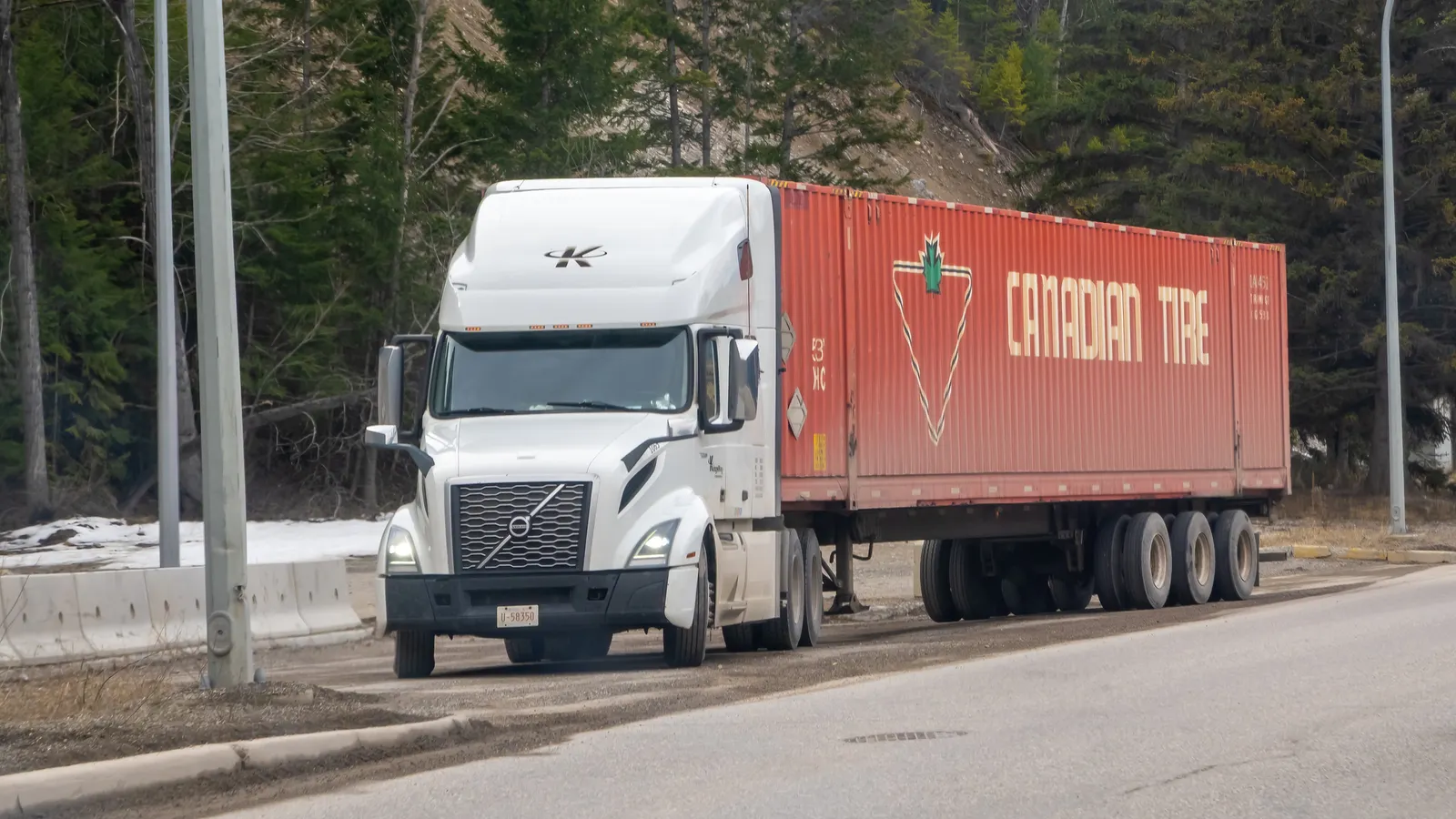 Volvo Trucks North America Discusses Freight Market Trends and Fleet Renewal Challenges">

Freight Demand Outlook: Steady But Challenging Times Ahead
The trucking sector’s freight demand continues to navigate a prolonged downturn that’s stretched over the past three years. According to industry leadership, demand in the near future — specifically the first half of 2026 — is expected to remain largely unchanged from current levels. This perspective highlights the cyclical nature of the transport business, where periods of slower activity inevitably give way to growth phases.
This near-term outlook does not come from a place of doom but rather a realistic acknowledgment of the market’s rhythms. The freight industry, tightly interwoven with economic ebbs and flows, tends to mirror broader economic activity. When the economy gains momentum again, the transport sector will naturally experience a rebound, reigniting freight volumes across the board.
The Cyclical Dance Between Economy and Transport
The relationship between economic cycles and freight volumes is more than just coincidental; it’s practically scripted. As production ramps up, retail demand surges, and manufacturing output rises, the need for shipping to fulfill these activities spikes accordingly. During downturns, cautious spending and inventory optimization tend to slow transportation needs.
Shippers and logistics providers keep a keen eye on these oscillations, planning fleet operations, equipment purchases, and resource allocation to stay lean but ready when the tides turn. The wise saying, “Make hay while the sun shines,” fits snugly here—not just about seizing good times, but also about preparing through strategic decisions during slower spell.
Concern Over Aging Fleets and Replacement Decisions
One of the pressing concerns voiced by the truck manufacturing leadership is the advancing average age of trucks in North American fleets. Sitting roughly between 6.6 and 6.8 years, the average vehicle age is creeping toward a critical threshold where maintenance expenses escalate, and operational efficiency tends to dip.
When trucks reach around seven years old, many fleet operators find it economically sensible to invest in new vehicles. Older trucks invite increasingly frequent repairs and downtime, which ironically costs more than new acquisition over time. This replacement decision is a key driver for the sales pipelines of manufacturers and a bellwether for future freight capacity expansions.
Table: Average Fleet Age and Replacement Impact
| Метрика | Значение | Implications for Transport |
|---|---|---|
| Average Fleet Age | 6.6 – 6.8 Years | Near critical maintenance threshold |
| Replacement Age Benchmark | Approximately 7 Years | Increased new truck purchases |
| Maintenance Costs | Increase sharply after threshold | Economic case for fleet renewal |
Impact of Regulatory and Tariff Factors
Uncertainties related to changing policies also play a significant role in the logistics and trucking scene. For example, upcoming 2027 emissions regulations present a complex compliance challenge. Currently, the permissible levels of nitrogen oxides (NOx) for heavy-duty trucks are set to drop dramatically from 0.20 grams per brake horsepower-hour to a mere 0.035 grams. This tightening standard demands innovation in engine designs and after-treatment technologies.
Additionally, tariff policies impact production costs and supply chains. However, the fact that Volvo Trucks produces all its vehicles domestically in the U.S. shields it from some tariff complications expected to hit competitors relying on Mexican production facilities. That said, the import of certain parts still introduces cost pressures, though Volvo has absorbed much of this expense so far.
Key Factors Influencing Truck Manufacturing
- Domestic Production: Full U.S.-based truck assembly minimizes tariff exposures.
- Parts Importation: Essential parts imported increase production costs.
- Emissions Compliance: Looming 2027 NOx limits enforce stricter engineering requirements.
- Competitor Challenges: Some rivals affected more by cross-border manufacturing.
What This Means for Logistics and Freight Transport
The present landscape hints at a tricky period for freight logistics, marked by steady but unimpressive volumes, aging vehicle fleets on the brink of renewal, and looming regulatory hurdles. For logistics operators, the key challenge is how to remain efficient and cost-effective during these quieter times while positioning fleet capabilities to ramp up quickly when demand recovers.
Efficient planning, flexible capacity management, and strategic investment in newer, compliant vehicles will be crucial. This mix ensures operators can avoid bottlenecks and service gaps when shipment volumes eventually rise again. It’s a juggling act of managing maintenance costs, navigating regulatory compliance, and preparing for market recovery.
Potential Implications Table for Logistics Providers
| Industry Aspect | Текущее воздействие | Будущие соображения |
|---|---|---|
| Freight Demand | Flat to slightly subdued through early 2026 | Expected to rebound with economic growth |
| Возраст флота | Near replacement threshold; increased maintenance | Opportunities for modern fleet incorporation |
| Соответствие нормативным требованиям | Anticipation of stricter emissions standards | Need for investment in green technologies |
| Tariffs and Costs | Some cost pressures via parts imports | Competitive advantage for domestic producers |
Why Personal Experience Beats All — and How GetTransport.com Fits In
Хотя отраслевые отчеты и прогнозы руководства предлагают ценные рекомендации, ничто не сравнится с непосредственным опытом работы с грузовыми и транспортными услугами. Истинное понимание приходит от взаимодействия с поставщиками и освоения реалий перемещения грузов — будь то переезды офисов, перевозка громоздкого оборудования или международные отгрузки.
Платформы, которые агрегируют доступные варианты международной транспортировки, выделяются удобством и прозрачностью. Например, GetTransport.com объединяет широкий спектр транспортных решений под одной крышей. Независимо от того, нужно ли вам перевезти крупногабаритную мебель между штатами или отправить транспортные средства на международный уровень, эта платформа помогает упростить и снизить стоимость перевозки. Это позволяет логистическим планировщикам и владельцам грузов принимать обоснованные, экономически эффективные решения без догадок.
Благодаря широкой сети, конкурентоспособным ценам и удобному интерфейсу, GetTransport.com идеально соответствует требованиям и возможностям современной транспортной среды. Забронируйте поездку на GetTransport.com.
Заглядывая в будущее: прогнозирование рынка грузоперевозок и эволюции логистики
Глобальная логистика постепенно выиграет от восстановления рынка грузоперевозок в синхронизации с экономическим ростом — не от мгновенной трансформации, а от стабильного подъема. Несмотря на едва заметную краткосрочную стагнацию, наблюдатели отрасли признают неизбежность восстановления, что подтверждается заменой флотов и инновациями, обусловленными регуляторными требованиями.
Хотя прямое глобальное влияние замедления роста в сфере автомобильных грузоперевозок Северной Америки может показаться скромным в мировом масштабе, отслеживание этих тенденций имеет решающее значение для любой дальновидной логистической компании. Такие платформы, как GetTransport.com, готовы помочь предприятиям ориентироваться в этих изменениях, предлагая эффективные и экономичные транспортные и логистические решения, адаптированные к постоянно меняющимся потребностям рынка.
Начните планировать следующую доставку и обеспечьте безопасность груза с помощью GetTransport.com.
Резюме
Труковой рынок в настоящее время характеризуется трехлетним спадом спроса на грузоперевозки, который, как ожидается, продлится до начала 2026 года, что отражает более широкие экономические циклы. Стареющий парк, приближающийся к критическому порогу технического обслуживания, сигнализирует о волне предстоящих покупок новых грузовиков, что поддерживается экономической целесообразностью обновлений примерно на седьмом году эксплуатации. Регуляторные трудности, в частности, строгие экологические стандарты 2027 года, добавят сложности, влияя как на производство, так и на обновление парка. Тарифы влияют на стоимость запчастей, но отечественное производство предоставляет некоторым производителям конкурентное преимущество. Участникам логистики необходимо соблюдать баланс между эффективностью затрат и готовностью к подъемам рынка, где платформы, предлагающие универсальные и доступные решения для отгрузки и перемещения грузов, такие как GetTransport.com, играют важную роль. Эти услуги помогают восполнить текущие пробелы и подготовиться к будущим скачкам грузоперевозок, обеспечивая надежную и адаптированную транспортировку для широкого спектра типов грузов в меняющейся экономической и нормативной среде.