


 Русский
  English (UK)
  العربية
  日本語
日本語  한국어
한국어  Magyar
  Türkçe
  Español
  Čeština
  Svenska
  Português
  Ελληνικά
  Suomi
Suomi  Nederlands
  Română
  Italiano
  Français
  Polski
  Українська
  Deutsch
  简体中文
简体中文  Slovenčina
 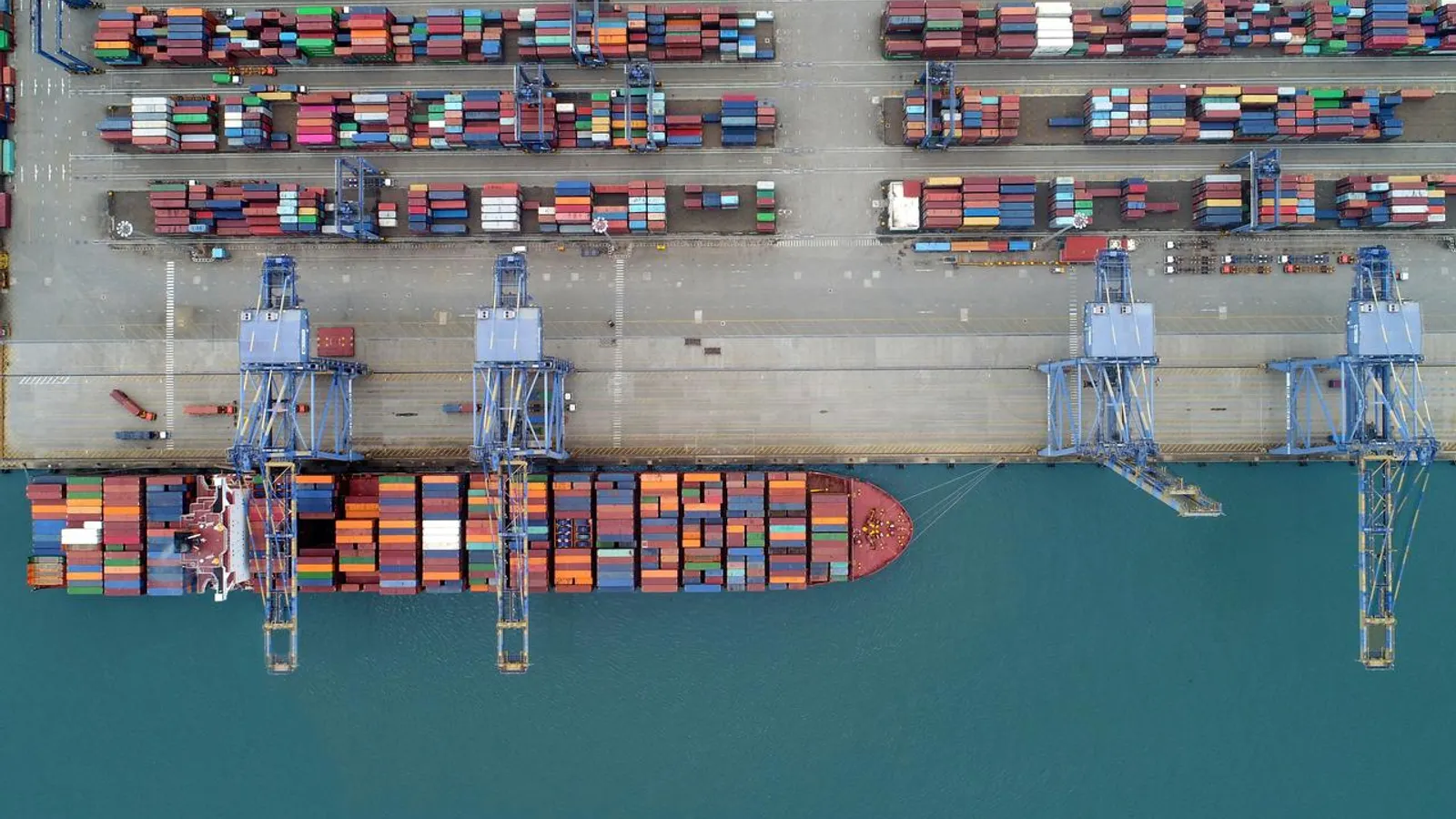 Повышение устойчивости цепочек поставок в условиях растущих геополитических вызовов и их влияния на логистику">

Understanding the Rising Tide of Geopolitical Disruption in Supply Chains
Supply chains today face more than just natural disasters and leftover pandemic effects. Geopolitical turbulence—think shifting trade rules, tariffs, and unpredictable regulations—has become a heavyweight contender shaking the global logistics ring. These disruptions don’t just create a buzz; they push companies to rethink their traditional methods of risk management, revealing that old tricks might not cut the mustard anymore.
Survey responses from a broad mix of supply chain, operations, and IT executives reveal a sobering reality: firms have suffered a median revenue hit of 5% due to supply chain interruptions over the last few years. For some businesses, especially smaller or mid-sized ones, the impact can claw up to 15% of their annual revenue—hardly pocket change. This indicates a clear and pressing need for smarter, more effective strategies.
Geopolitical Risk: A Persistent Reality
Unlike past assumptions that geopolitical issues are temporary hiccups, over 80% of supply chain professionals now acknowledge them as moderate to significant risks, with nearly 78% forecasting these risks to increase soon. High inflation and tariffs stand tall among the main culprits stirring up these supply chain squalls. Yet surprisingly, half of these professionals admit they are only somewhat prepared to weather these geopolitical storms.
Moreover, the strategies that have performed best are often those least embraced, despite their relatively straightforward implementation. This gap signals an opportunity for companies to recalibrate their approaches.
Where Geopolitical Disruptions Sting: Key Effects on Supply Chains
| Зона поражения | Percentage Reporting Effect | Examples |
|---|---|---|
| Materials Pricing Volatility | 36% | Sudden raw material cost spikes disrupting budget forecasts |
| Увеличение стоимости доставки | 36% | Tariffs, fuel price hikes, and logistical hurdles |
| Access Disruptions to Suppliers & Markets | 33% | Restricted access due to sanctions or trade tensions |
Just the whisper of geopolitical upheaval can rattle financial markets, affecting stock prices and company valuations even before any direct impact materializes. This reflects how deeply political landscapes intertwine with economic realities.
Traditional vs. High-Impact Strategies
Supply chain managers often lean on familiar risk mitigators, such as:
- Increasing collaboration with supply chain partners (49%)
- Diversifying suppliers to leverage geographic advantages (47%)
- Allocating more resources to risk management (37%)
However, top-performing strategies that executives report as very effective include:
- Relocating or expanding operations to geopolitically advantageous locations (73%)
- Bringing compliance matters to the boardroom level (67%)
- Increasing influence on policy decisions via investment or advocacy (66%)
- Using comprehensive data on supplier political risks and mitigation practices (66%)
The takeaway: combining time-tested tactics with these less popular but powerful moves creates a robust defense against geopolitical shocks, a must-have in today’s evolving landscape.
Driving Agility with Proactive Measures
Leading organizations take a proactive stance by engaging in scenario planning, real-time risk monitoring, and carefully diversifying locations. These moves aren’t about merely surviving disruption—they’re about building flexibility, enhancing agility, and ensuring continuity no matter the curveballs thrown by the global stage.
It’s not just an internal game. Success depends heavily on a resilient ecosystem. Procurement choices increasingly hinge on the geopolitical savvy of suppliers and logistics providers. Many companies have shifted or added supply partners based on these location-related benefits, such as avoiding penalties or tariffs.
Key Factors in Supplier and Partner Selection
- Geopolitical risk management practices of suppliers (significant/moderate role for 89% of companies)
- Switching providers to gain geopolitical advantage (78%)
Ultimately, geopolitical disruption may be unavoidable, but how supply chains prepare and respond can mean the difference between vulnerability and resilience. It involves aligning leadership, strategy, and partners to tackle risks head-on and future-proof operations.
Implications for Logistics and Global Cargo Transport
For logistics providers, this evolving geopolitical landscape means adapting to new realities where shipment timelines, freight costs, and cargo routes may shift rapidly. Efficient freight and haulage operators must anticipate these challenges, leveraging agile and diversified networks that can flex when borders or tariffs change. Here, digital tools providing real-time data and predictive insights become invaluable assets.
Такие платформы, как GetTransport.com exemplify this adaptive spirit, offering affordable, global cargo transportation solutions ranging from office and home relocations to bulky freight and vehicle transport. The ability to select tailored shipment options across a global network ensures smoother, more predictable deliveries even in turbulent times.
Краткое изложение основных выводов
- Geopolitical disruption now ranks among top supply chain risks, causing significant financial impact.
- Traditional risk mitigation strategies, while helpful, may not suffice alone and must be paired with proactive, data-driven approaches.
- Relocating operations and integrating compliance at the highest levels offer powerful tools for risk reduction.
- Supply chain resilience hinges on ecosystem collaboration, emphasizing supplier geopolitical readiness.
- Logistics and freight transport providers need to be agile, offering flexible and reliable options to handle geopolitical uncertainties.
Why Real Experience Outweighs Reviews: The Advantage of Choice with GetTransport.com
Even the best reviews and candid feedback can’t replace the value of firsthand experience when choosing logistics partners or cargo transport services. On GetTransport.com, users can book shipments worldwide at reasonable prices, unlocking a broad spectrum of options that empower informed decisions without breaking the bank or risking headaches. This platform’s transparency, affordability, and extensive selection make it a frontline ally in securing your freight or bulky cargo delivery with ease and confidence.
Забронируйте поездку today and tap into a world of hassle-free cargo transport at GetTransport.com.
Looking Ahead: Geopolitical Turbulence and the Future of Global Logistics
While geopolitical disruptions might not shake the entire global logistics system to its core, their increasing persistence is impossible to ignore. Staying ahead with smart strategies, continual monitoring, and adaptable networks remains crucial. This matters deeply to services like GetTransport.com, which strives to keep pace with these changes, helping businesses and individuals alike navigate a shifting cargo and freight environment efficiently and affordably.
Начните планировать следующую доставку и обеспечьте безопасность груза с помощью GetTransport.com.
В заключение
Geopolitical developments have reshaped the terrain for supply chains worldwide, demanding a blend of traditional risk mitigation and innovative, proactive tactics. Companies embracing scenario planning, compliance elevation, and geopolitically savvy partner selection stand better poised to maintain smooth operations and protect revenue streams. Meanwhile, the logistics sector must adapt to meet these evolving demands with flexible, reliable, and cost-effective solutions.
GetTransport.com aligns perfectly with this need, offering a comprehensive platform for global cargo, freight, and shipment transport tailored to varying needs, from household moves to bulky industrial deliveries. By simplifying complex logistics and enabling access to affordable, dependable services, it helps businesses and customers safeguard their supply chains and keep goods moving irrespective of geopolitical hurdles.