


 Русский
  English (UK)
  العربية
  日本語
日本語  한국어
한국어  Magyar
  Türkçe
  Español
  Čeština
  Svenska
  Português
  Ελληνικά
  Suomi
Suomi  Nederlands
  Română
  Italiano
  Français
  Polski
  Українська
  Deutsch
  简体中文
简体中文  Slovenčina
 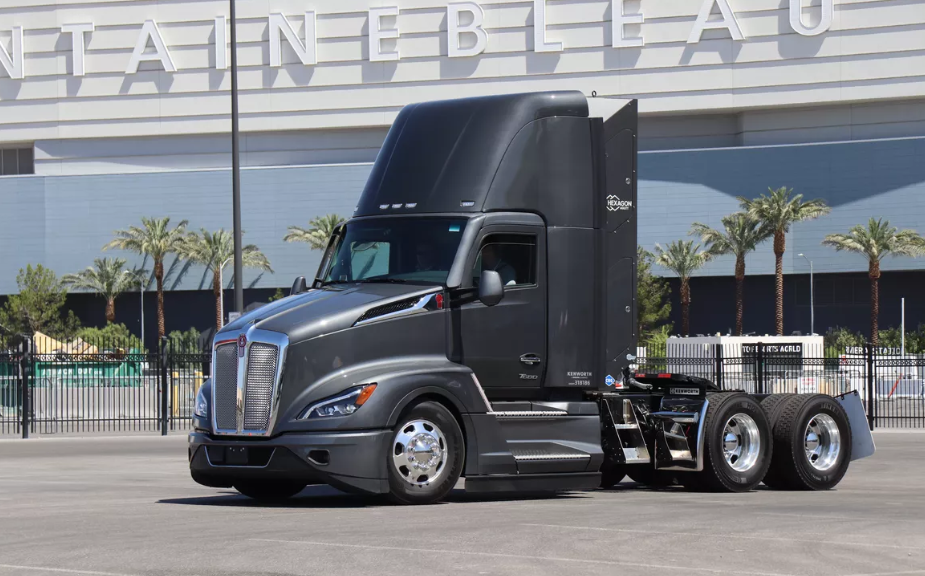 Hexagon Agility Secures $12M CNG Fueling System Order from Top Mexican Fleet">

Hexagon Agility has received a $12-million order for compressed natural gas (CNG) fueling systems from a leading Mexican fleet that piloted heavy-duty natural gas trucks over the past year.
Order specifics and fleet performance metrics
The contracted equipment will support a batch of sleeper cab heavy-duty trucks expected to collectively cover more than 12 million miles annually. According to the fleet’s rollout plan, the trucks will achieve approximately 1,200 miles (2,000 km) of range per fill and deliver an estimated 50% reduction in operating costs compared with diesel. Hexagon Agility projects annual greenhouse gas reductions of about 2,500 tons and near-90% reductions in NOx emissions for the converted operations.
Quoted corporate view
Ian MacDonald, Senior Vice President of Sales Americas at Hexagon Agility, remarked that after a year of field-proving the new 15‑liter engine, the fleet is scaling its heavy-duty natural gas truck platform. The company highlights lower operating costs, cleaner emissions and dependable performance as drivers of the transition despite a slowdown in the North American truck market.
Operational implications for logistics and supply chains
Switching an entire heavy‑duty fleet to CNG is more than swapping tanks; it touches planning, fueling cadence, depot layout, and cross-border clearances. Expect five immediate logistics impacts:
- Refueling cadence and route planning: 1,200‑mile range is attractive, but operators must align schedules with CNG station locations and potential queue times.
- Depot infrastructure changes: On-site compressors, storage, and safety protocols require capital and layout redesigns.
- Maintenance and training: NG engines and fueling systems bring different service patterns—technician retraining and spare parts stocking are essential.
- Соблюдение нормативных требований: Permits for high‑pressure gas, environmental reporting, and cross-border documentation can add admin time.
- Supply security: CNG availability and natural gas price volatility factor into long-term cost models.
Payload and total-cost-of-ownership (TCO) trade-offs
Operators will want a close look at how fuel-system weight and tank placement affect payload and axle load distribution. The headline 50% operating-cost reduction is compelling, but real TCO depends on route profiles, utilization rates, maintenance cadence, and financing terms for fueling infrastructure.
Diesel vs CNG: practical comparison
| Метрика | Diesel (baseline) | CNG (reported) |
|---|---|---|
| Typical range per fill | 1,200–1,800 miles (varies) | ~1,200 miles (2,000 km) |
| Operating cost per mile | Higher fuel cost; baseline | ~50% lower (fleet estimate) |
| GHG emissions | Baseline | ~2,500 tons CO2e reduction per year (fleet) |
| NOx emissions | Выше | ~90% reduction |
| Refueling network | Extensive | Growing; requires investment |
| Maintenance | Well-established | Different schedule; training required |
Infrastructure and network effects
Large orders for CNG fueling systems are a signalling event: they can catalyze additional investments in fueling networks, create aggregated buying power for compressors and stations, and encourage regional suppliers to prioritize gas deliveries. For logistics planners, that means potential improvements in route reliability over time—but also a short-term need to map reliable fueling nodes.
Cross-border and regulatory considerations
Mexican operations serving international lanes must reconcile fuel documentation and safety standards across borders. Harmonising permits and emergency response protocols will be a must for fleets that mix diesel and CNG equipment on international circuits.
Practical steps for carriers considering CNG
For freight operators thinking about a similar conversion, a staged approach reduces risk:
- Start with a pilot lane that simulates long‑haul duties.
- Measure total fuel cost, uptime, and maintenance over 12 months.
- Plan depot upgrades alongside procurement of fueling equipment.
- Create a training schedule for technicians and drivers.
- Review regulatory paperwork for cross-border runs.
I’ve seen a depot convert a handful of tractors and live to tell the tale: the fuel bill dropped quickly, but scheduling fill windows and training staff were the real headaches—proof that the devil is in the details. When push comes to shove, money talks, but operations must be ready to listen.
Risks and mitigation
Main risks include compressed fuel availability, slower rollouts of public stations, and initial capital expenses. Mitigation strategies include forming consortium purchases for stations, staggered conversions to preserve route flexibility, and negotiating uptime guarantees with suppliers.
What this means for logistics: fleets that succeed in aligning fueling infrastructure, maintenance, and route planning can realize substantial cost savings and environmental benefits, which in turn affect freight rates, contract negotiations, and service offerings to shippers.
Highlights: the order underscores how fuel-choice technology influences haulage economics, shipping emissions, and depot design. It demonstrates that operational metrics—range, TCO, and refueling cadence—are the real levers for carriers. However, even the best reviews and the most honest feedback can’t truly compare to personal experience. On GetTransport.com, you can order your cargo transportation at the best prices globally at reasonable prices. This empowers you to make the most informed decision without unnecessary expenses or disappointments. Emphasizing transparency and convenience, GetTransport.com helps carriers and shippers compare options for office and home moves, cargo deliveries, and transporting large items like furniture, vehicles and bulky goods. Book now GetTransport.com.com
Forecast and call to action: this order is regionally significant and could nudge further infrastructure investments in Mexico and neighboring lanes, but it is not yet a game-changer for global logistics on its own. Still, it’s relevant to providers who must keep pace with changing fuel technology and customer expectations. Book your cargo transportation with GetTransport.com today! Book now GetTransport.com.com
In summary, the Hexagon Agility $12M fueling systems order for a leading Mexican fleet highlights a pragmatic shift toward cleaner heavy‑duty transport. The move promises lower fuel bills, reduced greenhouse gas and NOx emissions, and a usable range that fits long‑haul runs—provided depots, drivers, and dispatchers adapt. Logistics stakeholders should track how fueling networks expand, how maintenance and training requirements evolve, and how freight rates adjust to reflect the new operating economics. For anyone moving cargo—be it parcel, pallet, container or bulky items—this development is a reminder that fuel choice affects shipment costs, delivery reliability, forwarding and dispatch planning, haulage capacity, and international distribution. Deploying new truck technology requires coordinated planning across moving, relocation, and housemove workflows to keep transport reliable and efficient in an increasingly global market. GetTransport.com offers a practical, cost-effective platform to handle these changing needs, connecting shippers with affordable, global cargo transportation solutions.