


 Русский
  English (UK)
  العربية
  日本語
日本語  한국어
한국어  Magyar
  Türkçe
  Español
  Čeština
  Svenska
  Português
  Ελληνικά
  Suomi
Suomi  Nederlands
  Română
  Italiano
  Français
  Polski
  Українська
  Deutsch
  简体中文
简体中文  Slovenčina
 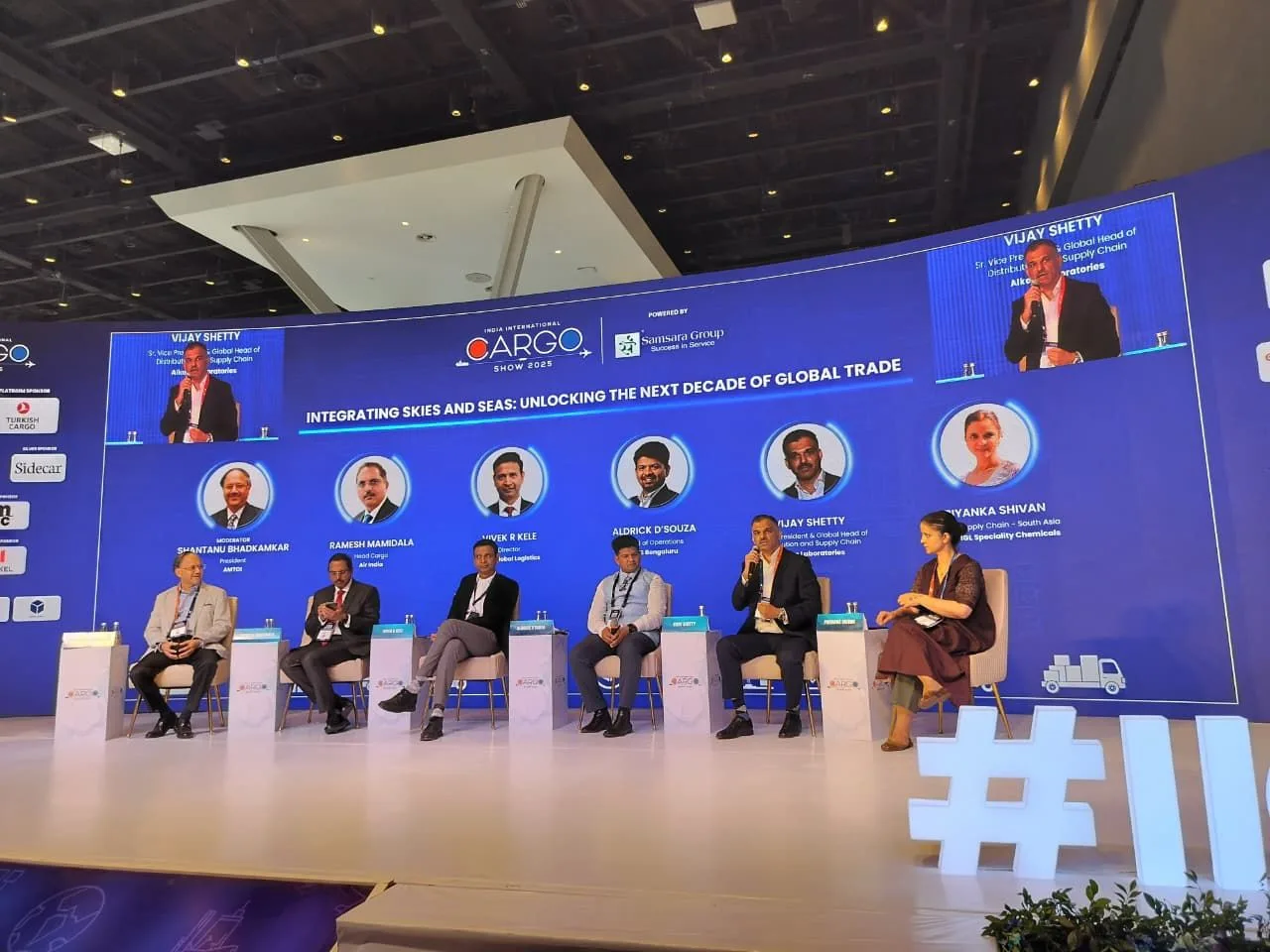 The Rise of Hybrid Air–Ocean Logistics Networks in Strengthening Supply Chains">

Rethinking Global Supply Chains: The Shift to Hybrid Networks
Global supply chains are undergoing a transformative shift. Gone are the days when businesses relied on a single mode of transport. Today, hybrid air–ocean networks have become the go-to backbone for building supply chain resilience, allowing companies to strike the perfect balance between cost efficiency, speed, and reliability.
This development springs from a complex mix of challenges like geopolitical swings, regional shifts in manufacturing centers, and unpredictable transport capacity. The combined strengths of air and ocean freight offer an adaptive approach, making supply chains more robust and nimble in the face of uncertainty.
The New Logistics Playbook: From Single Mode to Seamless Integration
The logistics world is moving away from siloed transport solutions. Instead, the spotlight is on networks that fluently switch between air and ocean freight, supported by digital systems that provide real-time visibility. These integrations foster coordinated decision-making among carriers, freight forwarders, and shippers alike, ensuring shipments move smoothly through their multimodal journey.
Air Cargo’s Expanding Role in Multimodal Systems
Air freight, once viewed as a costly premium service, has evolved into a crucial stabilizer within hybrid networks. As manufacturing hubs decentralize from traditional China-centric routes to more regional hubs, the flexibility of air transport acts like a pressure valve, resolving bottlenecks and tight timelines.
Take it this way: when ocean routes get congested or disrupted, air cargo swoops in to rescue deadlines without breaking the bank. This makes it ideal for businesses needing agility, especially when production shifts or contingency plans spring up on a dime.
Planning for the Future: Freight Forwarders Embrace Hybrid Routing
Forwarders and logistics planners are now embedding hybrid air–ocean routing into their standard operating playbooks. No longer just a backup plan, these hybrid models are key for balancing cost sensitivities with the realities of political tensions and ever-changing customer demands.
Strategic corridors, especially through hubs in the Middle East and Southeast Asia, underscore this trend. Sea–air and air–sea routes optimize transit times while trimming the steep premium of pure air shipments. Digital platforms enhance this by orchestrating modal handovers with precision, translating into more predictable deliveries.
Why Digital Interoperability Holds the Key
The heart of successful hybrid logistics is digital interoperability—ensuring data flows seamlessly along with the cargo. Without aligning physical and digital networks, smooth multimodal integration is like trying to build a puzzle with missing pieces.
Ground handlers, terminal operators, and all involved players now need a constant stream of real-time data to manage exceptions and coordinate actions effectively. Emerging standards and frameworks are paving the way for predictive analytics and automated workflows to take center stage in multimodal logistics.
Sectoral Drivers: Pharmaceuticals and Chemicals Leading the Charge
In industries where stakes are high—think pharmaceuticals and chemicals—the adoption of hybrid air–ocean logistics is accelerating. These sectors demand not just speed and reliability but strict compliance and predictability across the supply chain.
Pharmaceuticals, for example, require exacting temperature control, redundancy, and backup routing options to ensure product integrity. Hybrid networks offer this resilience without compromise. Meanwhile, the specialty chemicals sector relies on flawless documentation and monitoring, making digital accuracy and compliant routing non-negotiable.
Shifting Mindsets: From Mode Competition to Network Cooperation
The logistics industry is witnessing a paradigm shift: moving from a mindset of air versus ocean competition toward intermodal cooperation. This change is pivotal for weathering today’s volatile markets and unpredictable disruptions.
The focus is on building integrated, intelligent transport webs that deliver certainty—even when uncertainty threatens. Digital alignment across stakeholders, combined with sector-specific logistics solutions, is the recipe for future-proof supply chains.
Building Tomorrow’s Global Trade Networks
Hybrid air–ocean networks are rapidly becoming the mainstream strategy for global trade, thanks to technological advances and the evolving structure of production hubs. The future logistics landscape will be shaped less by isolated transport modes and more by the strength of their connections: how well air and ocean freight blend across regions and sectors.
Краткое изложение основных выводов
| Аспект | Влияние на логистику |
|---|---|
| Hybrid Transport Networks | Boost supply chain resilience by balancing cost, speed, and reliability. |
| Digital Interoperability | Enables seamless transitions and real-time visibility across air and ocean modes. |
| Sector-Specific Demands | Pharmaceuticals and chemicals drive adoption due to compliance and risk mitigation needs. |
| Multimodal Cooperation | Shifts logistics mindset from competition to integrated network management. |
Practical Benefits for Modern Logistics
- Экономическая эффективность: Combining ocean and air routes reduces expenses versus all-air freight.
- Enhanced Predictability: Real-time tracking and seamless modal handoffs improve delivery accuracy.
- Flexibility in Disruption: Air transport acts as a rapid response to delays in ocean shipping lanes.
- Соответствие и безопасность: Sector-specific routing solutions ensure standards are met without slowing shipments.
Embracing Hybrid Networks with GetTransport.com
Even with thorough reviews and the most transparent data, nothing beats hands-on experience. Platforms like GetTransport.com allow shippers and businesses to tap into a global pool of cargo transportation services at highly competitive rates. Whether you need to move office equipment, household goods, vehicles, or palletized freight internationally, the platform simplifies the complexity of logistics by offering extensive choices and transparent pricing.
This blend of convenience, affordability, and extensive options empowers users to make informed logistics decisions without unnecessary expenditure or surprises. Such tools align perfectly with today’s hybrid transportation models, allowing shippers to optimize multimodal networks backed by reliable, real-time coordination.
Начните планировать следующую доставку и обеспечьте безопасность груза с помощью GetTransport.com.
The Impact on Global Logistics Moving Forward
While the shift to hybrid air-ocean networks mainly reflects immediate supply chain needs, its ripple effects stretch into the broader logistics ecosystem. Global freight and forwarding are set to gain from more versatile routing options and enhanced data-driven collaboration, leading to stronger resilience against unforeseen disruptions.
This trend, although challenging existing transport silos, highlights the industry’s commitment to a connected, adaptive future. GetTransport.com stays in tune with these developments, helping its customers navigate the complexities of modern shipment logistics efficiently and cost-effectively.
Начните планировать следующую доставку и обеспечьте безопасность груза с помощью GetTransport.com.
Conclusion: The Growing Power of Hybrid Air–Ocean Logistics
To sum it up, hybrid air–ocean networks are revolutionizing how goods are moved around the world. The fusion of air speed and ocean cost efficiency, empowered by digital integration, creates resilient supply chains that can adapt quickly to modern-day challenges. High-value sectors like pharmaceuticals and specialty chemicals are already benefiting from this approach, driving broader adoption.
For logistics professionals and businesses, this means embracing integrated multimodal solutions is no longer optional but essential. Platforms like GetTransport.com bring these concepts to life, offering seamless freight, shipment, transport, and relocation options globally with reliability and transparency—making cargo and bulky goods forwarding as smooth as can be.