


 Русский
  English (UK)
  العربية
  日本語
日本語  한국어
한국어  Magyar
  Türkçe
  Español
  Čeština
  Svenska
  Português
  Ελληνικά
  Suomi
Suomi  Nederlands
  Română
  Italiano
  Français
  Polski
  Українська
  Deutsch
  简体中文
简体中文  Slovenčina
  Понимание предстоящего регламента ЕС о номерных знаках для тяжелых прицепов и его значение для Нидерландов">

Navigating the License Plate Rules for Heavy Trailers in the Netherlands
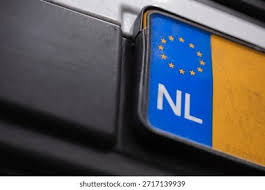
There’s been a bit of chatter lately about whether heavy trailers in the Netherlands will need two rear license plates starting July 2026. Let’s clear the air: despite some reports, this isn’t quite the case. What’s really changing, and how does it affect cargo transport and logistics? Let’s dive into the details.
The New EU Regulation Explained
The European Union has introduced updated type-approval regulations for heavy trailers and semi-trailers. According to these rules, any new heavy trailer or semi-trailer with a gross vehicle weight exceeding 3.5 tons, registered from July 2026 onward, must be designed with two separate mounting positions for rear license plates. Both of these positions also need to be illuminated properly.
Here’s the kicker: the regulation requires space for a second licence plate, but it does not make it mandatory to display two plates. So, it’s more about vehicle design than a new paperwork headache for drivers or logistics operators.
Manufacturers’ Responsibilities
For trailer makers, the clock started ticking as early as July 2024. They have to ensure that any heavy trailer they produce with a new type-approval from this date has two ready-to-go mounting brackets for rear plates. Come July 2026, this will apply to every new heavy trailer registration. Essentially, the industry is being asked to prep vehicles for dual plates even if operators won’t necessarily use both spots.
Comparison with Other EU Countries
Interestingly, it’s left up to each EU member state to decide if trailers should actually carry one or two plates at the back. For instance, Spain has long mandated that heavy trailers bear two rear license plates. But in the Netherlands, as well as in many other EU countries, this is not required, nor is there any sign that it will be made compulsory anytime soon.
| Страна | Dual Rear License Plates Requirement | Effective Date |
|---|---|---|
| Испания | Yes, mandatory | Long-standing |
| Нидерланды | No, only space provision required | From July 2026 (design requirement) |
| Most Other EU Countries | No mandatory requirement | Н/Д |
What This Means for Logistics and Freight Operators
From a logistics standpoint, these changes largely affect manufacturers and vehicle certification processes. For transport companies, haulage operators, and freight forwarders in the Netherlands and many EU countries, the day-to-day handling of trailers remains unchanged—no need for double plates on the road, no additional administrative burdens.
That being said, the regulation signals a move toward greater vehicle standardization within Europe, which can impact cross-border transport and compliance. While Dutch trailers won’t require two plates, those operating fleets internationally might see differing rules to navigate, especially in markets like Spain.
Potential Impact on Cargo Transport
- Vehicle Procurement: Logistics companies might prioritize trailers compliant with these standards to ease registration and deployment across multiple countries.
- Compliance and Inspections: While dual plates aren’t mandated in the Netherlands, trailers built with dual mounting brackets could reduce headaches when operating in jurisdictions where two plates are required.
- Cost and Design: Manufacturers will factor in these design features, which could subtly affect trailer pricing and availability.
Более широкая логистическая картина
In the sweeping world of international transport, shipping, and cargo forwarding, clear and consistent vehicle regulations are vital. This development fits right into a broader ambition to harmonize vehicle standards and safety protocols within the EU, which in turn supports smoother logistics operations across borders.
Long-term, having standard specs on vehicle equipment—whether it’s in registration plates or electronic documentation—helps minimize delays in freight moving from one country to another. Companies involved in moving goods, whether it’s furniture, parcels, or bulk pallets, will find it easier to plan routes and comply with varying regulations.
Table of Main Benefits for Logistics Stakeholders
| Stakeholder | Основное преимущество |
|---|---|
| Manufacturers | Clear vehicle design requirements, streamlined approval processes |
| Transport Operators | Less hassle in cross-border transport, fewer regulatory surprises |
| Shippers and Forwarders | Improved planning due to uniform technical standards |
| Regulatory Bodies | Simplified enforcement with standardized equipment |
Practical Considerations for Moving Forward
For logistics professionals and anyone involved in freight dispatch, haulage, or house moves where trailers play a critical role, staying informed about these evolving rules is a must. While this change might sound like a tempest in a teapot, it actually kicks off a chain of adaptations in vehicle design and compliance that ripple through the supply chain.
Planning ahead to equip fleets with trailers meeting these mounting bracket requirements keeps businesses ahead of the curve, preventing last-minute scrambles for new vehicles or paperwork. This ensures that shipments—be it heavy cargo, bulky items, or delicate parcels—travel without hindrance.
Why Transparency and Convenience Matter
At the heart of smart logistics is knowledge and accessible transportation solutions. Platforms like GetTransport.com bring these qualities right to your fingertips by offering affordable, global options perfectly suited for everything from office relocation to moving large loads such as vehicles and furniture. They embody the transparency and convenience that operators crave in the face of evolving regulations.
Choosing the Right Transport Partner in a Changing Landscape
When it comes to managing shipments across borders, no amount of reviews or online chatter can beat firsthand experience. Luckily, with platforms like GetTransport.com, you can tap into a global network to order your cargo transport at competitive prices, enhancing logistics efficiency without the paperwork nightmare.
The ability to compare offers and select from a broad palette of transport services—whether for pallets, containers, or bulky freight—empowers you to make decisions that align perfectly with your operational needs, reducing costs and avoiding headaches.
Забронируйте поездку на GetTransport.com and experience how easy and transparent freight transport can be.
Looking Ahead: What This Means for Global Logistics
While this specific update about license plates on heavy trailers in the Netherlands might not shake the global logistics market, it is a reminder of the continuous evolution underway in transport compliance. For GetTransport.com, staying tuned to such developments is part of ensuring its users always have access to reliable, up-to-date cargo and shipment solutions.
For logistics operators worldwide, being proactive and informed helps secure hassle-free dispatches and deliveries, irrespective of cumbersome or patchy regulations. Start planning your next delivery and secure your cargo with GetTransport.com.
Резюме
The rumor about a mandatory requirement for dual rear license plates on heavy trailers in the Netherlands starting July 2026 is just that—a rumor. The new EU regulation mandates that trailers be built with the capability to mount two license plates, but the obligation to display both is left to each member state. This distinction keeps the Netherlands and many others free from the double-plate requirement, unlike countries such as Spain.
For logistics, freight, and haulage sectors, these changes mainly touch manufacturers and cross-border compliance concerns, with little operational disruption expected for day-to-day transport. Still, it’s a nudge towards unified vehicle standards that benefit shipping, moving, and relocation across Europe.
GetTransport.com perfectly fits into this landscape by offering accessible, global cargo transportation tailored to varied needs like office or home moves, vehicle hauling, and bulky goods shipping—all at competitive prices and with the convenience modern logistics demand. Whether moving pallets, containers, or parcels, GetTransport.com supports seamless freight operations in an ever-changing transport world.