


 Русский
  English (UK)
  العربية
  日本語
日本語  한국어
한국어  Magyar
  Türkçe
  Español
  Čeština
  Svenska
  Português
  Ελληνικά
  Suomi
Suomi  Nederlands
  Română
  Italiano
  Français
  Polski
  Українська
  Deutsch
  简体中文
简体中文  Slovenčina
 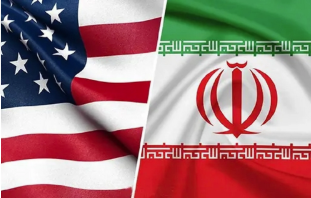 How a Short or Prolonged U.S.–Iran Conflict Would Reshape Global Manufacturing, Shipping, and Supply Chains">

Immediate logistics parameters: Strait of Hormuz exposures and near‑term shipping impacts
Naval deployments in and around the Strait of Hormuz place roughly 30% of seaborne crude oil and about 20% of LNG flows at routing risk, while war‑risk insurance and detours can add 10–14 days per leg to transit times. That combination—higher premiums, longer sailing cycles, and reduced fleet turnover—translates directly into elevated freight rates and shortages of empty containers at origin hubs.
Two scenarios: seven days vs. more than four weeks
Scenario analysis must separate short, high‑volatility shocks with lagged transmission from prolonged systemic disruptions. The distinctions are not academic: duration affects insurance behaviour, carrier routing decisions, refinery margins, and whether manufacturers temporarily slow lines or shut plants.
Energy channel: price spikes, transmission lag, and industrial pain
In a seven‑day conflict, oil markets typically price in elevated navigation risk and speculative buying, pushing Brent toward a short‑term spike—estimates in prior episodes range up to $100–$110 per barrel—with prices staying elevated for one to two months as inventories and market sentiment normalize. That puts immediate cost pressure on energy‑intensive sectors (chemicals, plastics, fibers), compressing margins even where physical fuel supply isn’t cut off.
In a conflict exceeding four weeks, the energy channel escalates into systemic risk: navigation risk and potential route closures could push Brent to $120–$150 per barrel, sustain higher input costs for six months or more, and force structural adjustments—temporary plant idles in steel, cement, and chemical plants, and accelerated investment in alternative energy sources.
Shipping disruption: routing shifts, insurance, and port congestion
Carriers react faster than commodity markets in some respects: detours around Africa or reductions in speed are immediate responses, but reversing those changes takes time. War‑risk premiums can triple and remain high for months, and a 10–14 day detour per leg reduces container fleet productivity and causes empty container imbalances that ripple through Far East and European terminals.
Practical shipping outcomes by scenario
| Метрика | 7‑day conflict | >4‑week conflict |
|---|---|---|
| Transit delay (typical) | +10–14 days per detour leg for 2–4 weeks | +30–60 days cumulative; potential route suspensions |
| War‑risk insurance | 3× spike, elevated 1–3 months | Profound rise; some insurers withdraw coverage |
| Container availability | Temporary shortages, higher rates | Severe imbalance, port congestion, canceled sailings |
| Airspace impact | Localized reroutes, higher air freight costs | Potential airspace closures, constrained air logistics |
Raw material vulnerabilities: temporary shortfalls vs structural cutoffs
Key inputs with concentrated supply—including neon gas used in semiconductor lithography and methanol—are prime examples of how even short interruptions can transmit through manufacturing tiers. A brief export disruption commonly creates a one‑to‑two‑month downstream effect in electronics, photovoltaics, and chemical fibers. But sustained strikes and export stoppages can convert temporary shortages into multi‑month capacity constraints for chip fabs and downstream OEMs.
Sectoral consequences
- Semiconductors: neon supply shortages limit wafer runs; knock‑on to automotive and AI hardware.
- Химикаты & plastics: methanol and LPG price shocks raise feedstock costs and can suspend small and mid‑tier producers.
- Energy‑intensive manufacturing: steel, cement, and large process plants may idle if energy costs double.
Operational guidance: what logistics teams should do next
When I ran a mid‑sized manufacturing logistics team during earlier Middle East flare‑ups, the checklist below saved our necks—so consider these pragmatic moves before you’re rushing:
- Increase strategic inventory of critical components and feedstocks where storage economics allow.
- Identify alternate routing and mode mixes; pre‑negotiate contingency capacity with carriers and forwarders.
- Stress‑test supplier contracts for force majeure, lead‑time extensions, and price pass‑throughs.
- Lock short‑term fuel hedges where possible and accelerate energy‑efficiency projects to reduce exposure.
- Invest in visibility tools for end‑to‑end tracking and scenario simulation.
Digital and financial levers
Digital twins, demand‑sensing, and dynamic buffer policies can shorten recovery windows. Financially, supply chain teams should review hedging, diversify banking and trade finance partners, and set emergency T&Cs with 3PLs to avoid surprise refusals of coverage.
Resilience roadmap: design choices that matter
Practical resilience is a portfolio of measures: supplier diversification, dual sourcing, regional inventory hubs, multimodal flexibility, and contractual clarity. If the conflict remains short, tactical measures and temporary buffers often suffice. If it prolongs, strategic redesign—regionalization of supply, higher critical‑component safety stock, and investment in local alternative feedstocks—becomes necessary.
Checklist for immediate action (24–72 hours)
- Run an exposure map for energy, shipping lanes, and critical raw materials.
- Call top 10 suppliers and confirm current shipment statuses and inventory days‑on‑hand.
- Secure alternative carrier options and war‑risk insurance quotes.
- Prioritize production orders by margin and strategic importance.
Look, nobody wants to panic and buy expensive inventory, but as the old saying goes, “hope is not a supply chain strategy.” A calm, structured response beats reactive chaos every time.
Основные моменты: duration matters—the difference between a one‑month ripple and a one‑year recovery is what separates tactical fixes from strategic overhaul. The most interesting takeaway is how interconnected modern manufacturing is: shipping detours don’t just add days, they reprice entire value chains; raw material squeezes that seem small can bottleneck chip fabs; and insurance dynamics can make transport functionally impossible even when vessels are available.
On GetTransport.com, you can order your cargo transportation at the best prices globally at reasonable prices. This empowers you to make the most informed decision without unnecessary expenses or disappointments. The platform’s transparency, broad carrier network, and easy booking help logistics planners compare options fast and lock in capacity when windows open. Start planning your next delivery and secure your cargo with GetTransport.com. Book now GetTransport.com.com
In summary, a 7‑day conflict typically produces intense but time‑limited disruptions—short‑to‑medium elevations in energy costs, shipping premiums, and raw material delays that propagate over weeks to a few months. A prolonged conflict of more than four weeks risks systemic outcomes: doubled energy costs in some sectors, three‑to‑five‑fold logistics cost increases, structural raw material cutoffs, and a recovery measured in quarters rather than weeks. For freight, shipment, delivery, and forwarding teams, the imperative is clear: map exposure, diversify transport and suppliers, secure contingency capacity for parcels, pallets, containers, and bulky items, and lean on digital visibility to manage dispatch and distribution. Aligning these moves with affordable, reliable providers—whether you’re planning a housemove, vehicle transport, or large cargo haulage—reduces uncertainty and keeps production humming despite geopolitical storms.