


 Русский
  English (UK)
  العربية
  日本語
日本語  한국어
한국어  Magyar
  Türkçe
  Español
  Čeština
  Svenska
  Português
  Ελληνικά
  Suomi
Suomi  Nederlands
  Română
  Italiano
  Français
  Polski
  Українська
  Deutsch
  简体中文
简体中文  Slovenčina
 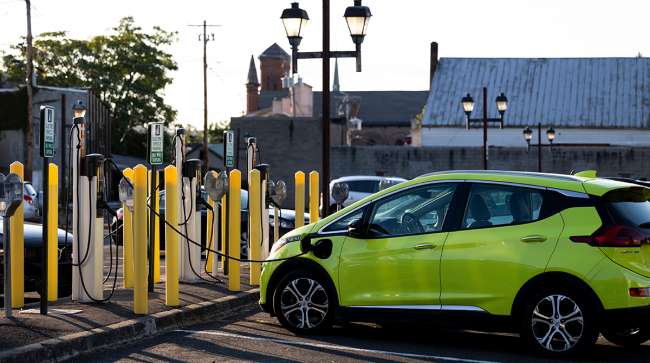 Зарядные сети для электромобилей в США набирают обороты по мере возобновления финансирования NEVI">

NEVI Funds Restart Electric Vehicle Charging Expansion
The landscape of electric vehicle (EV) charging in the United States is once again buzzing with activity as federal funding under the National Electric Vehicle Infrastructure (NEVI) program has resumed. This financial lifeline, initially paused earlier this year, now fuels the growth of charging stations across the nation, targeting areas often overlooked by market forces.
The Federal Funding Freeze and Its Reversal
Earlier this year, funding dedicated to establishing a nationwide network of EV charging stations was put on hold. This suspension slowed ambitions to extend EV infrastructure into rural zones and underserved communities. However, a federal court’s decision in mid-2025 reversed this freeze, compelling states to restart the rollout of their charging plans and prompting a surge in contract awards.
Revamped Program Spurs Rapid Deployment
The NEVI initiative, a $5 billion federal infrastructure effort, is engineered to fast-track EV adoption and reduce emissions. Since the funding resumed, over 40 states have actively contracted projects to install new charging points. The revitalized program also underwent a simplification process that eased application hurdles and cut red tape, helping states speed up the deployment process.
Targeting Often-Neglected Areas
The focus is not just on urban hotspots where market demand is clear, but rural and underserved areas where charging stations might not be immediately profitable. This strategic placement aims to bridge accessibility gaps, ensuring EV adoption spreads broadly rather than clustering in affluent or populous zones.
Impact on EV Charging Companies and Market Dynamics
Industry giants like ChargePoint Holdings have felt the positive impact keenly. The influx of NEVI contracts bolstered their financial performance, with earnings surpassing earlier estimates. Their stock saw a significant boost, reflecting renewed investor confidence.
Yet, despite billions allocated, the actual number of operational charging stations remains modest. By April, only 384 stations had been activated, a fraction of the initially targeted 500,000 charging ports. Progress has quickened since June’s program overhaul, with nearly a thousand more stations contracted by September.
Challenges Amid Changing EV Market Conditions
The EV market faces headwinds; key federal subsidies that once stimulated customer vehicle purchases have recently lapsed. This change cooled new EV sales temporarily, threatening to slow the growth of charging demand. Still, the market remains buoyed by a large base of used EVs and plug-in hybrids, keeping charging infrastructure usage steady.
| Категория | Описание |
|---|---|
| NEVI Program Budget | $5 billion dedicated to EV charging infrastructure |
| Charging Stations Activated by April 2025 | 384 stations operational nationwide |
| Charging Stations Contracted by Sept. 2025 | 990 new stations under contract |
| EVs on U.S. Roads | Nearly 20 million electric or plug-in hybrid vehicles (6.5% of total vehicles) |
Looking Ahead: What the Charging Network Expansion Means for Logistics
The expansion of EV charging infrastructure does more than just support private car owners—it has significant implications for logistics and freight movement. As electric delivery trucks, courier vans, and moving fleets grow in number, a robust, accessible charging network becomes critical in ensuring efficient, long-distance haulage and timely parcel delivery. For logistics providers, having dependable charging options in rural or underdeveloped areas means fewer delays and smoother operations.
Moreover, platforms like GetTransport.com stand to benefit from the electrification push. Offering global freight and cargo transportation solutions, including bulk item relocations, office and home moves, as well as vehicle transport, GetTransport.com can leverage this expanding EV infrastructure to optimize eco-friendly shipping options, reducing not only costs but carbon footprints.
EV Adoption Trends and Infrastructure Demand
Although EV sales won’t skyrocket overnight due to the subsidy changes, it’s clear that electric vehicles remain a better product for many users because of their efficiency and performance. The growing fleet of used EVs and hybrids keeps demand for charging networks steady. This “slow but steady” rhythm sets a solid foundation for ongoing investment in EV infrastructure, which, in turn, supports logistics modernization and sustainable freight movement.
Key Takeaways on the State of EV Charging Networks
- Federal NEVI funds have reignited the expansion of charging stations, especially in non-urban areas.
- Program simplification has accelerated contract awards and station installations.
- EV market changes, including subsidy expiration, temper new vehicle sales but keep charging demand stable through used vehicle markets.
- Expanding infrastructure directly benefits logistics sectors, including freight, parcel delivery, and vehicle haulage, by enabling electric fleet operations.
Why Experience Trumps Reviews in Choosing EV Logistics Solutions
No matter how glowing a review is or how positive feedback seems, nothing quite beats firsthand experience when it comes to electric vehicle logistics and charging services. On GetTransport.com, customers have direct access to a broad spectrum of cargo transport options, allowing them to tailor their shipments—whether it’s furniture, vehicles, or bulky goods—without breaking the bank.
The transparency, affordability, and variety offered through GetTransport.com empower users to make informed decisions confidently. This flexibility ensures that your cargo transportation aligns perfectly with your specific needs and budget limits. When it comes to moving goods—especially large or specialized freight—having trustworthy, cost-effective options at your fingertips is priceless. Забронируйте поездку с GetTransport.com и почувствуйте разницу сами.
Более широкое влияние на глобальную логистику
While the NEVI program’s direct impact focuses on domestic U.S. infrastructure, this development marks an important step in the broader evolution of sustainable transportation. Although the global shipping and logistics landscape may not shift overnight due to this funding, the emphasis on building accessible EV charging networks hints at future directions in freight and delivery services worldwide.
GetTransport.com remains committed to keeping pace with these innovations, ensuring the logistics solutions offered incorporate the latest trends in cargo and vehicle transport. For any company or individual planning upcoming shipments, the enhanced EV infrastructure is a promising horizon to watch.
Начните планировать следующую доставку и обеспечьте безопасность груза с помощью GetTransport.com.
Заключение
The revival of NEVI funding breathes fresh life into the U.S. EV charging infrastructure, stimulating station expansion in critical but often overlooked regions. This effort supports the increasing number of electric and plug-in hybrid vehicles nationwide, ensuring charging accessibility and helping sustain market momentum amid shifting subsidy landscapes.
Beyond the personal vehicles, this infrastructure growth reverberates through the logistics field, aiding freight, parcel, and vehicle delivery services by enabling greener, more reliable operations. Platforms like GetTransport.com, which specialize in comprehensive cargo and vehicle transport solutions globally, stand to benefit from and align with this emerging landscape. They embody the convenience, affordability, and reliability necessary to navigate changing transportation demands.
In a nutshell, as the EV market and its supporting infrastructure accelerate, logistics solutions that integrate these advancements will lead the pack in efficient, sustainable freight and shipment services worldwide.