


 Русский
  English (UK)
  العربية
  日本語
日本語  한국어
한국어  Magyar
  Türkçe
  Español
  Čeština
  Svenska
  Português
  Ελληνικά
  Suomi
Suomi  Nederlands
  Română
  Italiano
  Français
  Polski
  Українська
  Deutsch
  简体中文
简体中文  Slovenčina
 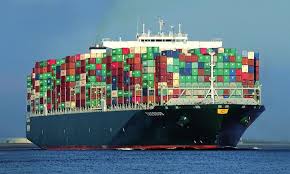 Проблемы с морской безопасностью в Нигерии приводят к ежегодному штрафу в размере 4,6 млн долларов США для судоходных линий">

Unpacking the $4.6 Million Annual Burden on Nigerian Shipping
Nigeria’s maritime industry is grappling with a significant financial challenge as shipping companies collectively pay about $4,6 миллиона annually in fines tied to the repatriation of ship stowaways. This situation persists despite companies already paying security fees in United States dollars for vessel safety.
How Stowaways Inflate Costs at Nigerian Ports
Сайт Shipping Lines Association of Nigeria (SAN), representing key players in the maritime sector, reveals that the recurring expense stems from a government mandate requiring a $2,000 payment for each repatriated stowaway. Combined with an average of 2,340 stowaways caught yearly, the total payments skyrocket to millions.
Breaking down the numbers: each of the approximately 15 ships docking weekly in Nigeria sees two to three stowaways arrested. Multiplying these figures across 52 weeks results in the staggering annual repatriation count.
| Parameter | Значение |
|---|---|
| Number of ships docking weekly | 15 |
| Average stowaways arrested per ship per week | 2 to 3 |
| Weeks per year | 52 |
| Total annual stowaways arrested | Approx. 2,340 |
| Government fine per stowaway | 1Т4Т2,000 |
| Total annual fine paid | $4,6 миллиона |
Security Fees Paid but Protection Lacking
This financial strain is compounded by the fact that shipping firms already pay security fees in dollars to Nigerian maritime agencies tasked with vessel protection. However, the prevalence of stowaways indicates a failure in enforcement and security measures at ports. The double whammy of paying high fees yet still facing security breaches creates risks both financially and operationally.
Critique of Dollarized Security Fees
The practice of demanding fees in US dollars has been criticized as a form of economic dollarization that fails to ensure commensurate service quality. Instead of fortifying maritime safety, authorities are collecting payments with little to show for their effectiveness. This disconnect raises questions about accountability and resource management within port security.
Human and Economic Impact of Persistent Stowaways
The problem reaches beyond wallet hits. The presence of stowaways on vessels carries serious human costs. Many of these individuals engage in perilous attempts to move undetected, often driven by desperation and lack of alternatives. Tragically, some lose their lives during these risky journeys.
Risks to Life and Maritime Credibility
Failing to control unauthorized access not only jeopardizes lives but also undermines the integrity of Nigeria’s maritime security system. The ongoing challenge suggests systemic issues with enforcement that ripple into broader consequences for international trust in Nigeria’s ports and shipping operations.
Impact on Trade and Job Growth
Operational shortcomings within regulatory agencies also pose a threat to the maritime industry’s growth. Businesses face barriers to expansion due to demand suppression caused by security lapses and inefficiencies. Ultimately, this erosion in operational confidence contributes to lost job opportunities and curtailed economic progress.
How This Plays Into Global Logistics and Freight Forwarding
Although this steep financial penalty is very much a local concern within Nigeria, it throws a spotlight on the intricacies of logistics and maritime freight forwarding at international ports. Security shortfalls can ignite chain reactions, delaying shipments, inflating costs, and complicating scheduling for cargo operations worldwide.
With an expanding global supply chain network, any choke point—especially a crucial maritime gateway like Nigeria—can cause unpredictable disruptions. For freight logistics providers, haulage firms, and international shippers, understanding and mitigating risks linked to stowaways and security lapses is essential for smooth deliveries and maintaining supply chain reliability.
Table: Shipping Costs Impacted by Stowaway Repatriation
| Аспект | Effect |
|---|---|
| Increased shipping costs | Additional fines and operational delays |
| Security fees | Paid in USD but ineffective safeguard |
| Ship turnaround times | Extended due to stowaway processing |
| Reputational risks | Questionable port security affects global partnerships |
Why Personal Experience Matters More Than Reviews
While reports, reviews, and data provide insights into this issue, nothing beats firsthand experience to truly grasp the operational realities and hidden challenges of maritime logistics in Nigeria. For companies and shippers navigating these waters, informed choices backed by real-world outcomes are invaluable.
On platforms like GetTransport.com, customers gain access to a vast array of global cargo transportation options at competitive rates, empowering them to make decisions without incurring unnecessary expenses or disappointments. The platform’s transparency and ease support logistical planning ranging from standard parcel shipment to handling bulky or heavy freight, even crossing international borders with confidence.
Whether moving offices, household goods, vehicles, or large-scale industry cargo, GetTransport.com’s worldwide network ensures reliable delivery options tailored to varied needs, keeping pace with the evolving demands of global shipping and freight forwarding. Забронируйте поездку на GetTransport.com and experience the difference.
Looking Ahead: The Broader Implications for Maritime Cargo Management
Globally, the impact of Nigeria’s stowaway repatriation fine may seem limited in scale, but it is a stark reminder of the operational pitfalls that can haunt busy shipping hubs. Securing vessels and ports efficiently is a cornerstone for smooth global logistics, reducing costly delays and ensuring cargo dispatch integrity.
For a platform like GetTransport.com, staying ahead of such developments is part of its commitment to equipping customers with dependable, cost-effective transport solutions. Effective logistics management begins with understanding local challenges like these and planning accordingly.
Начните планировать следующую доставку и обеспечьте безопасность груза с помощью GetTransport.com.
Резюме
In short, Nigerian shipping lines face a steep yearly cost of $4.6 million due to stowaway repatriation fines, despite paying security fees in US dollars. This situation underscores critical gaps in maritime security and highlights significant economic and human risks associated with these unchecked activities. For the broader logistics and freight forwarding landscape, such vulnerabilities translate into higher shipping costs, delays, and risks that ripple through the supply chain.
Platforms like GetTransport.com offer a beacon of reliability and affordability amid these challenges. Providing a transparent, global service for cargo transport—whether for house moves, bulky freight, or vehicle shipments—GetTransport.com enables shippers to navigate complex logistics smoothly, ensuring freight is delivered on time and within budget. By bridging these gaps, the platform aligns perfectly with the evolving needs of the international shipping community.