


 Русский
  English (UK)
  العربية
  日本語
日本語  한국어
한국어  Magyar
  Türkçe
  Español
  Čeština
  Svenska
  Português
  Ελληνικά
  Suomi
Suomi  Nederlands
  Română
  Italiano
  Français
  Polski
  Українська
  Deutsch
  简体中文
简体中文  Slovenčina
 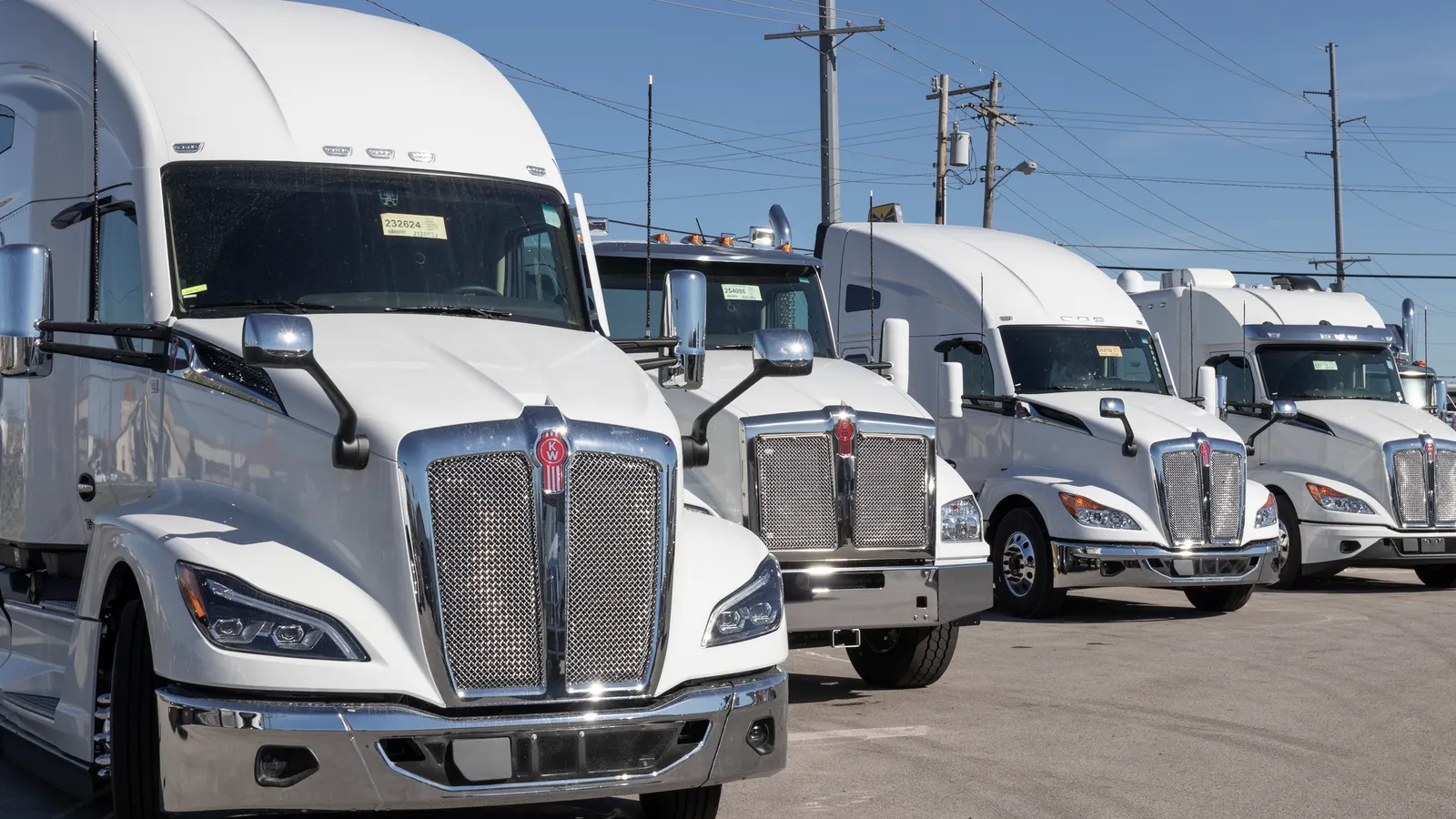 How Paccar’s Domestic Production and Section 232 Tariffs Could Shift Truck Manufacturing and Logistics">

Paccar’s Position in the Changing Tariff Landscape
The trucking manufacturer Paccar, known for building over 90% of its U.S.-sold trucks domestically, is bracing for a potential edge as new Section 232 tariffs come into effect. Starting November 1, these trade rules could alter the playing field, favoring companies with strong U.S. manufacturing footprints. Paccar’s factories across Texas, Ohio, and Washington place it ahead in this regard compared to rivals with greater dependency on imports or overseas assembly lines.
Domestic Manufacturing as a Strategic Advantage
When tariffs loom large, being primarily domestic can turn from a simple fact into a decisive competitive advantage. Paccar’s CEO Preston Feight anticipates that the Section 232 tariff adjustments will not only reduce cost pressures but also bring greater pricing stability and clarity to the market. While many OEMs are feeling the pinch from tariffs, Paccar’s structure may enable the company to tweak pricing more flexibly and solidify its market presence.
| Key Figures (Q3 2025) | Значение |
|---|---|
| Чистая прибыль | $590 million (down 39% year-over-year) |
| Выручка | $6.7 billion (down 19% year-over-year) |
| Class 8 Retail Sales Guidance (2025) | 230,000 to 245,000 trucks |
Tariff Impacts on Costs and Pricing
In the last quarter, tariffs increased costs notably — with surcharges between $3,500 and $4,000 added per truck. Paccar’s Q3 results revealed a slight dip in pricing by over 1% alongside a 5% uptick in costs. However, Feight expressed optimism that the new tariff structure would ease some of these burdens, hinting at the possibility for the company to offer more attractive pricing and hence gain market share.
Market Dynamics and Broader Freight Challenges
Even with tariff-related changes, the larger freight landscape remains challenging. Demand, particularly in the truckload sector, has been on a rollercoaster, with over 30 months of tough cycles as carriers have been maximizing equipment use instead of purchasing new units. This keeps a lid on immediate retail sales but sets the stage for eventual equipment replacement and steady market recovery.
Aftermarket Success Amid Equipment Use Patterns
Interestingly, Paccar Parts has benefited from this circumstance, hitting record revenues of $1.7 billion in the quarter. As truck operators rely more heavily on existing equipment, the aftermarket and parts business become vital cogs in maintaining vehicle uptime and efficiency, underscoring an important facet of freight-related logistics where repair and maintenance are as critical as fresh sales.
Последствия для логистики и грузовых перевозок
The evolving tariff situation and Paccar’s strong domestic presence could ripple through the logistics sector in a few notable ways:
- Stability in pricing: More predictable truck prices can ease planning for freight companies, enabling better budgeting and contract negotiations.
- Supply chain reliability: Domestic manufacturing reduces exposure to global supply chain disruptions, benefiting logistics companies reliant on steady equipment availability.
- Increased aftermarket demand: With more emphasis on parts and maintenance, logistics firms involved in equipment servicing can expect growing business.
- Competitive transport options: Improved pricing and availability of trucks could translate into more efficient cargo haulage and distribution services.
How Tariffs Could Shape Global and Domestic Freight
Globally, these tariffs may not shake the entire industry on a grand scale but locally, companies like Paccar stand to gain a leg up, which in turn can impact the logistics chains relying heavily on their trucks. For businesses handling cargo transport, whether moving large containers, bulky freight, or organizing house moves, having access to competitively priced, reliable trucks is a game changer.
Краткое изложение ключевых моментов
- Paccar’s U.S.-centered truck production aligns well with the new Section 232 tariff regime that starts November 1.
- Despite declines in net income and revenue attributed partly to tariff surcharges, Paccar anticipates better pricing stability soon.
- The truckload market’s long downturn pressures new truck sales but propels aftermarket parts growth.
- Logistics benefits from stable truck supply, predictable pricing, and the availability of reliable, domestically produced vehicles.
Making Decisions on Cargo Transport in a Shifting Market
While numbers and expert reviews offer solid insights, nothing beats firsthand experience when evaluating transportation options. Platforms like GetTransport.com provide an excellent way to explore cargo shipping options globally, offering competitive pricing along with a diverse selection of logistics services – from house moves and office relocations to shipping bulky items and vehicles. This variety lets customers make informed logistics decisions, minimizing surprises and unnecessary expenses.
Transparency and convenience are the hallmarks of such platforms, empowering shippers to choose transport solutions tailored to their needs. Whether it’s coordinating timely freight delivery or managing complex distribution, having access to trusted carriers at the click of a button changes the game entirely. Book now, GetTransport.com.
Forecasting the Effects on the Logistics Industry
Though the Section 232 tariff changes may not cause seismic shifts in global logistics, they remain highly pertinent for companies in the U.S. and those relying on domestic truck supply chains. GetTransport.com keeps an ear to the ground on such developments, ensuring its users can adapt swiftly to evolving market conditions. Start planning your next delivery and secure your cargo with GetTransport.com.
Заключение
Paccar’s fortified U.S. production network and the upcoming tariff changes reveal the intricate dance between manufacturing policy and logistics. In a market that’s still feeling pressure from freight demand fluctuations, any factor that offers pricing clarity and supply reliability serves as a welcome beacon. For cargo handlers, freight forwarders, and transport planners, awareness of these shifts helps maintain operational flexibility.
With trucking costs influenced by tariffs but potentially stabilizing soon, and with aftermarket parts rising in importance, logistics strategies must adapt accordingly. Efficient transport and haulage rely on dependable equipment, and companies like Paccar, complemented by accessible platforms for organizing freight, streamline the moving pieces of the logistics puzzle.
In the end, efficient freight shipment and delivery thrive on the blend of solid manufacturing foundations and smart logistical coordination – a combination exemplified by Paccar’s position and supported by tools like GetTransport.com, making global and local transport less of a headache and more of a well-oiled operation.