


 Русский
  English (UK)
  العربية
  日本語
日本語  한국어
한국어  Magyar
  Türkçe
  Español
  Čeština
  Svenska
  Português
  Ελληνικά
  Suomi
Suomi  Nederlands
  Română
  Italiano
  Français
  Polski
  Українська
  Deutsch
  简体中文
简体中文  Slovenčina
 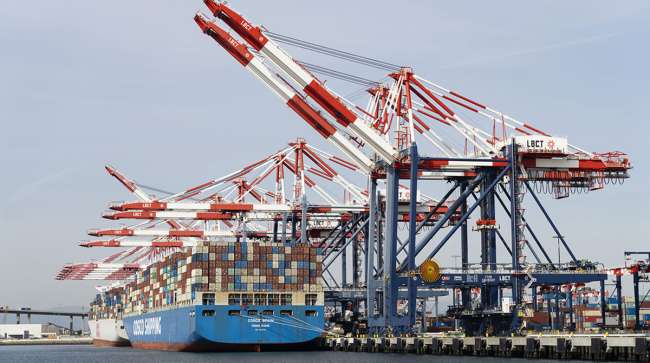 US and China Agree to Suspend Port Fees on Each Other’s Ships Starting Nov. 10, Impacting Global Shipping">

A Pause in Port Fees Between the US and China
Starting November 10, the United States will suspend port fees imposed on ships linked to China for one year, marking a significant step in deescalating maritime tensions that had put a strain on trade across the Pacific. At the same time, China will mirror this move by halting its retaliatory port fees on US vessels. This mutual pause follows a broader trade détente aiming to ease various disputes between the two economic giants.
Background of the Maritime Standoff
For some time, the imposition of port fees by both sides became a thorn in the side of global shipping. These fees were initially introduced as countermeasures amid broader trade tensions, risking disruption to the flow of crucial freight such as oil and key commodities. The embargo-like fees threatened to increase freight costs and create uncertainties across supply chains that connect manufacturers, distributors, and end consumers worldwide.
With the suspension in place, vessels associated with China will no longer have to bear these additional charges when docking at American ports, and vice versa. This move serves as a goodwill gesture and opens the door for more constructive dialogues on maritime industrial investigations and possible strategic collaborations in shipbuilding.
US Strategy Moving Forward in Maritime Industries
During this one-year reprieve, the US intends to press forward with negotiations concerning its ongoing investigation into China’s dominance in maritime sectors. Additionally, the US plans to expand shipbuilding partnerships with South Korea and Japan, countries well regarded as balancing forces in the region’s shipbuilding capabilities.
This pivot not only taps into strategic alliances but also reflects an effort to diversify global shipping sources, reducing risks related to over-dependence on a single market. Such shifts are crucial, considering the intricate web of logistics and supply chains that span continents and involve complex freight forwarding and haulage operations.
Потенциальное воздействие на судоходство и логистику
This detente in maritime trade spiffs up the shoulder season at ports and contributes to smoother freight traffic. For logistics companies that juggle global deliveries, timely shipments, and bulky cargo handling, this pause means fewer cost hurdles associated with port fees. It can lead to reduced freight charges and improved efficiency in forwarding and distribution schedules.
| Аспект | Before Suspension | During Suspension |
|---|---|---|
| Port Fees on China-Linked Ships | Applied by US ports | Suspended for one year |
| China’s Retaliatory Port Fees | Applied on US vessels | Suspended for one year |
| Стоимость грузоперевозки | Higher due to fees | Expected reduction |
| Shipping Flow | At risk of delays and congestion | Smoother flow with fewer obstacles |
Why This Matters for Logistics & Freight Forwarding
The labyrinth of global logistics depends on predictable and stable shipping routes. When port fees escalate or become tools in a “tit-for-tat” exchange, freight movement encounters unplanned hurdles, pushing costs and schedules into chaos. For those involved in moving bulky goods, vehicles, cabinets, or furniture internationally, even slight delays or additional surcharges can ripple through supply chains, affecting everything from container deliveries to courier services.
How Companies Can Adapt
- Cost Forecasting: Freight forwarders can better estimate transport expenses with fewer surprise port fees.
- Планирование маршрута: Shipping routes can be optimized without concerns about unpredictable surcharges.
- Управление запасами: Easier scheduling means less time tied up in transit, contributing to efficient warehouse distribution.
- Partnership Building: Logistics stakeholders might see increased collaboration opportunities between US, Chinese, South Korean, and Japanese shipyards and ports.
The Bigger Picture: Global Trade and Maritime Relations
While the pause on port fees between the US and China may not flip the entire logistics landscape worldwide overnight, it certainly signals a warming of relations that can ease strains on maritime transport at a crucial node—ports. For global stakeholders, this development could inspire more confidence in international shipments, encouraging steady flows of parcels, pallets, and containers despite ongoing economic complexities.
Points to Consider
- This temporary truce provides breathing room for negotiations regarding maritime industrial dominance.
- Collaborations with South Korea and Japan suggest a diversification strategy that can balance freight and shipbuilding power.
- The move impacts not just container ships but extends to large cargo and vehicle transport, influencing heavy haulage and relocation services.
In the realm of logistics, where timing and costs can make or break a deal, this suspension sheds light on how political and economic decisions hold sway over the freight and shipping world. Shipping companies can breathe easier knowing the waters of port fees won’t rock the boat for at least a year.
Personal Experience vs. Feedback
Of course, nothing beats firsthand experience in logistics and transport. While reviews and reports provide valuable insight, nothing compares to actually booking a shipment and witnessing how smoothly it all runs. Thanks to platforms like GetTransport.com, cargo transportation becomes not only transparent but also global and affordable. Whether you’re moving an office, shipping bulky furniture, or transporting vehicles across continents, the platform offers an extensive range of options at competitive rates.
With convenient booking systems and clear price comparisons, users avoid unnecessary expenses or surprises. This transparency helps in making smart logistics choices far easier.
Закажите грузоперевозку с помощью GetTransport.com to enjoy peace of mind and the best global offers.
Forecast: What Lies Ahead for Logistics
In terms of global logistics, the suspension of port fees between the US and China may not cause a seismic shift worldwide but serves as a positive step toward stabilizing one of the largest shipping lanes. As these two powerhouses step back from conflict, freight dispatch and haulage processes could see gradual improvements in reliability and cost-effectiveness.
GetTransport.com keeps a keen eye on such developments, ensuring its users can navigate the dynamic world of logistics with the latest insights and versatile transport options. Whether it’s international shipment, last-mile courier delivery, or complex housemoves involving bulky goods, knowing these changes is crucial.
Начните планировать следующую доставку и обеспечьте безопасность груза с помощью GetTransport.com.
Резюме
The one-year suspension of port fees on China-linked ships by the US—and reciprocation by China—marks a notable détente in maritime trade tensions that had previously complicated global shipping networks. It reduces immediate financial barriers for freight carriers and enhances the smooth dispatch, distribution, and delivery of goods worldwide.
By opening avenues for negotiations on maritime industry dominance and strengthening partnerships with South Korea and Japan, this development encourages a more balanced maritime freight landscape. For logistics professionals, transporters, and companies managing bulky or international cargo, these adjustments herald improved cost forecasting, route planning, and timely deliveries.
Through platforms like GetTransport.com, which offer reliable, affordable, and worldwide cargo transport services, logistics operations become less daunting. The service’s broad scope—covering everything from office relocations to heavy haulage—perfectly aligns with the evolving freight environment shaped by this maritime truce, making global logistics simpler and more efficient.